Why Pain Can Temporarily Go Away When Exercising a Joint
TL;DR
Exercise temporarily alleviates joint pain by improving movement patterns.
Transcript
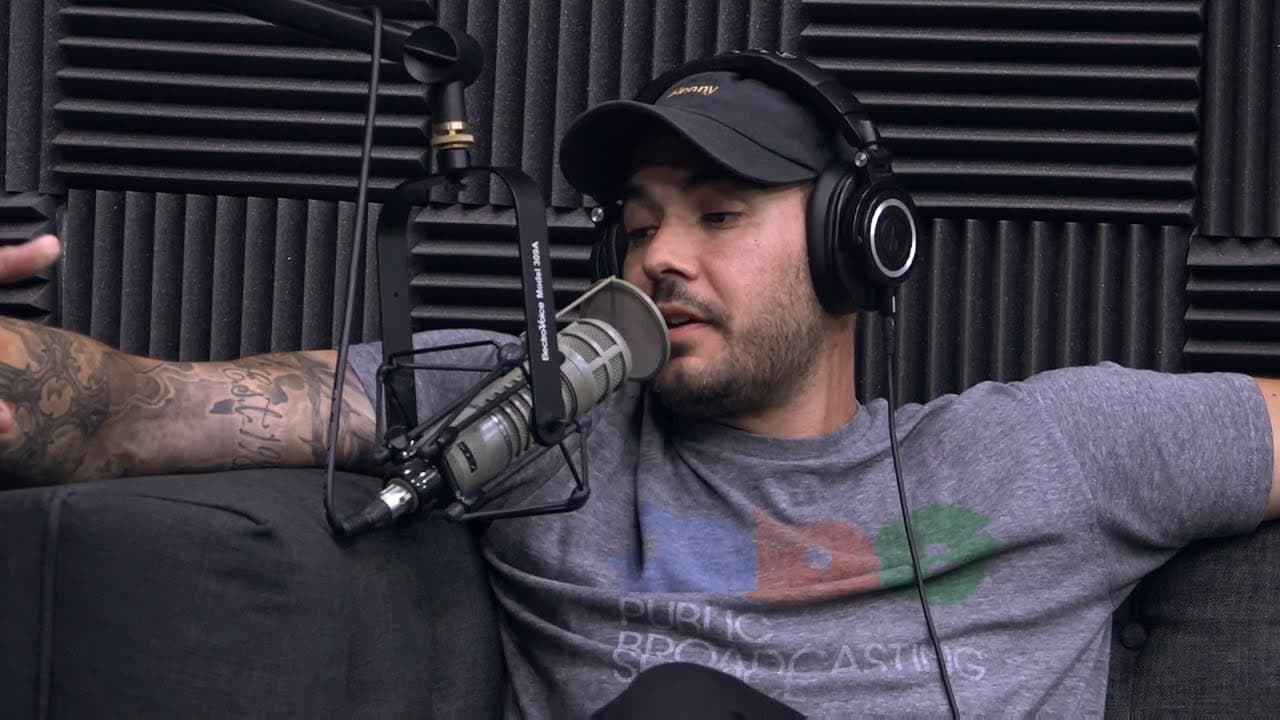
next question is from JM key I have some nagging pain in my knees and shoulders which goes away when I work on those areas in the gym but comes back the next day why does it feel better when I'm working on these areas versus when I'm resting them there's a classic case in question of poor recruitment patterns and bad movement patterns so when you s... Read More
Key Insights
- Exercise can temporarily relieve joint pain due to the release of localized painkillers and improved movement patterns during workouts.
- Poor recruitment and movement patterns can lead to nagging joint pain, which is often alleviated temporarily through exercise.
- Corrective exercises, myofascial release, and deep tissue massage are recommended for addressing chronic joint pain issues.
- Joint stability is crucial for preventing chronic pain, particularly in floating and ball-and-socket joints like the knee and shoulder.
- Muscle activation around joints during exercise can improve stability and reduce pain, but the effect is often temporary without consistent corrective practices.
- Lifestyle habits and posture outside of workouts play a significant role in maintaining joint stability and preventing pain.
- Consistent attention to proper movement patterns and posture is necessary to address the root causes of joint pain.
- Even fitness professionals can experience joint pain due to lifestyle factors, emphasizing the importance of addressing stability issues.
Install to Summarize YouTube Videos and Get Transcripts
Explore YouTube Video Summarizer or Get YouTube Transcript Extractor
Questions & Answers
Q: Why does joint pain go away during exercise?
Joint pain often subsides during exercise because movement releases localized painkillers and improves movement patterns. This analgesic effect allows for temporary relief as muscles around the joint activate and stabilize the area. However, this effect is not permanent without addressing underlying movement and stability issues.
Q: What causes joint pain to return after exercise?
Joint pain often returns after exercise due to poor movement patterns and instability that are not corrected during workouts. While exercise temporarily engages supporting muscles and relieves pain, the underlying issues remain, leading to recurring pain once the muscles relax post-exercise.
Q: How can corrective exercises help with joint pain?
Corrective exercises target poor movement patterns and muscle imbalances, addressing the root causes of joint pain. By focusing on stability and proper muscle activation, these exercises help in maintaining joint alignment and reducing pain over time, providing a more permanent solution compared to temporary relief from exercise.
Q: What is the role of joint stability in managing pain?
Joint stability is crucial in managing pain as it ensures proper alignment and reduces stress on the joint structures. Instability leads to poor movement patterns and chronic pain, which can be temporarily relieved through exercise. Improving stability through targeted exercises helps in achieving long-term pain relief.
Q: Why is consistent attention to movement patterns important?
Consistent attention to movement patterns is important because it helps in reprogramming the body's natural movements, ensuring proper muscle activation and joint stability. This reduces the likelihood of pain returning after exercise, as the body learns to maintain correct posture and alignment in daily activities.
Q: How do lifestyle habits affect joint pain?
Lifestyle habits, such as posture and movement during daily activities, significantly impact joint pain. Poor habits can lead to instability and improper joint alignment, causing chronic pain. Addressing these habits and incorporating corrective exercises can help in maintaining joint health and reducing pain.
Q: What are the benefits of myofascial release for joint pain?
Myofascial release helps in alleviating joint pain by breaking down adhesions and improving tissue flexibility around the joint. This technique complements corrective exercises by enhancing muscle function and joint stability, contributing to long-term pain relief and improved movement patterns.
Q: Can fitness professionals experience joint pain?
Yes, even fitness professionals can experience joint pain due to lifestyle factors and movement patterns. Despite their expertise, they may develop imbalances or poor habits that lead to instability and pain. Addressing these issues through corrective exercises and lifestyle adjustments is essential for pain management.
Summary & Key Takeaways
-
Exercise can provide temporary relief from joint pain by releasing localized painkillers and improving movement patterns. However, without addressing poor recruitment patterns and instability, the pain often returns post-workout. Corrective exercises and consistent attention to proper movement are essential for lasting relief.
-
Joint stability is essential in preventing chronic pain, particularly in the knee and shoulder joints. Poor movement patterns and lack of muscle activation around these joints can lead to instability and pain, which exercise temporarily alleviates by engaging supporting muscles.
-
Lifestyle habits, posture, and consistent attention to movement patterns are crucial in addressing chronic joint pain. Without addressing these root causes, pain relief from exercise is temporary. Corrective exercises and myofascial release can help achieve long-term stability and pain reduction.
Read in Other Languages (beta)
Share This Summary 📚
Summarize YouTube Videos and Get Video Transcripts with 1-Click
Try YouTube Summary with ChatGPT & Claude or YouTube Transcript Generator
Explore More Summaries from Mind Pump Show 📚





Summarize YouTube Videos and Get Video Transcripts with 1-Click
Try YouTube Summary with ChatGPT & Claude or YouTube Transcript Generator