How to Prevent Muscle Loss When Cutting
TL;DR
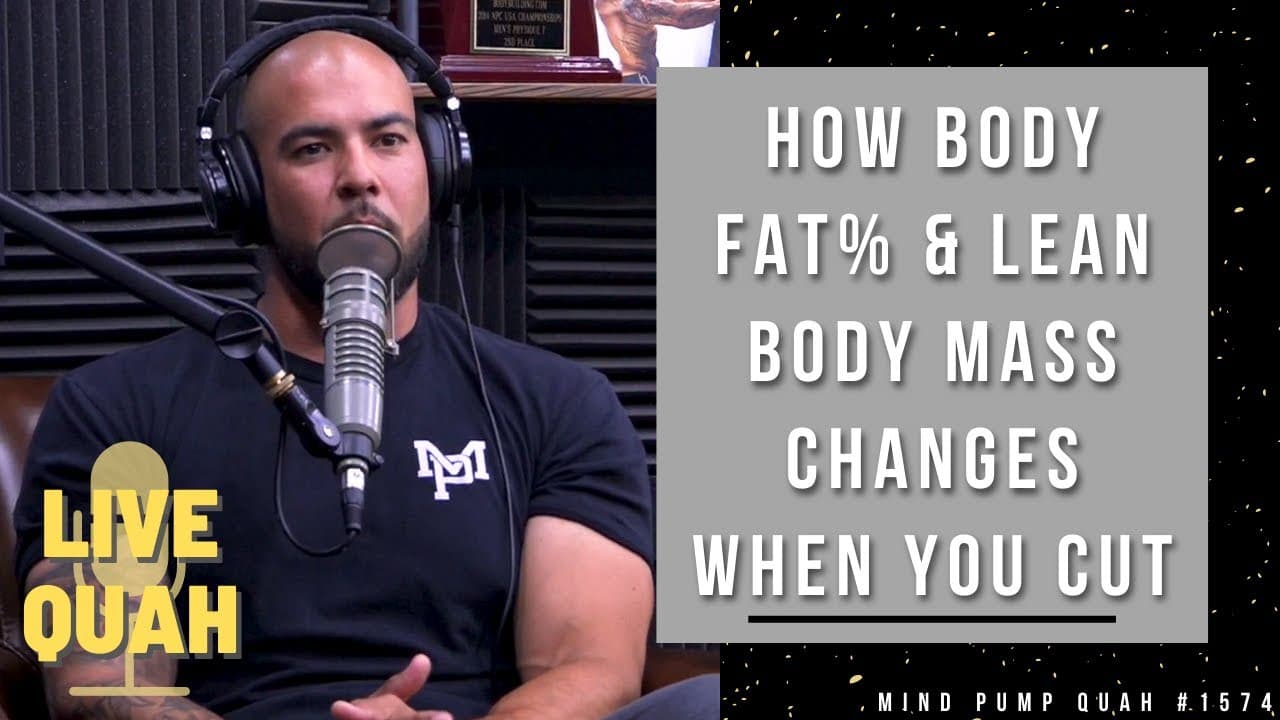
Focus on total lean body mass, not percentage, when cutting.
Transcript
our next caller is jacqueline from ohio hey jacqueline how can we help you hi i just wanted to start by saying thank you just like everybody else does um i've really enjoyed your content and have definitely been utilizing your expertise that you guys put out there thank you um so yeah thank you it's commendable what you guys are doing for the fitne... Read More
Key Insights
- When cutting, focus on maintaining total lean body mass rather than the percentage of lean body mass to overall weight.
- Losing muscle is more significant than changes in muscle percentage; prioritize retaining muscle mass to maintain metabolism and strength.
- Water weight fluctuations can affect lean body mass measurements, especially during dietary changes like switching from high to low carb.
- Body fat percentage is crucial to monitor during both bulking and cutting phases, ensuring balanced muscle and fat gains or losses.
- Listening to your body's hunger cues and avoiding extreme calorie intake can prevent negative impacts on quality of life.
- Maintaining high protein intake during calorie reduction helps preserve muscle mass; aim for up to one gram per pound of body weight.
- Strength-based training signals the body to retain muscle even when in a calorie deficit, contrary to switching to purely mobility-focused exercises.
- Building muscle should not come at the cost of health or well-being; balance is key to sustainable fitness progress.
Install to Summarize YouTube Videos and Get Transcripts
Explore YouTube Video Summarizer or Get YouTube Transcript Extractor
Questions & Answers
Q: Why is it important to focus on total lean body mass rather than percentage?
Focusing on total lean body mass is crucial because it represents the actual amount of muscle tissue, which is metabolically active and essential for maintaining strength and metabolism. A loss in muscle, even if the percentage seems favorable, can lead to decreased strength and a slower metabolism.
Q: How can water weight affect lean body mass measurements?
Water weight can significantly impact lean body mass measurements, especially during dietary transitions like shifting from a high-carb to a low-carb diet. Such changes can cause fluctuations in water retention, potentially leading to misleading results in body composition tests.
Q: What is the recommended protein intake during a calorie deficit?
During a calorie deficit, it is recommended to increase protein intake to help preserve muscle mass. Aiming for up to one gram of protein per pound of body weight can be effective in minimizing muscle loss while reducing overall caloric intake.
Q: Why is it important to listen to your body's hunger cues?
Listening to your body's hunger cues is important to avoid extreme calorie intake, which can negatively impact quality of life. Eating in response to hunger ensures that you are not force-feeding yourself, which can lead to unhealthy eating habits and reduced well-being.
Q: What role does strength-based training play during a cut?
Strength-based training during a cut is essential as it sends signals to the body to retain muscle mass even in a calorie deficit. This approach contrasts with switching to purely mobility-focused exercises, which may lead to muscle loss as the body adapts to the new activity.
Q: How should body fat percentage be monitored during bulking and cutting?
Body fat percentage should be closely monitored during both bulking and cutting phases. During bulking, ensure that muscle gains do not come with excessive fat gain. During cutting, aim to reduce body fat while preserving muscle mass to maintain a balanced physique.
Q: What are the potential consequences of losing muscle during a cut?
Losing muscle during a cut can lead to decreased strength, a slower metabolism, and potential negative impacts on overall physical performance. Muscle is metabolically active tissue, and its loss can hinder fitness progress and make it more challenging to maintain a desired body composition.
Q: Why is balance important in muscle building and cutting?
Balance is crucial in muscle building and cutting to ensure sustainable fitness progress. Building muscle should not come at the expense of health or well-being. Maintaining a balanced approach allows for effective muscle preservation while promoting overall health and avoiding extreme dietary or training practices.
Summary & Key Takeaways
-
When cutting, prioritize maintaining total lean body mass over the percentage of lean body mass to overall weight. This approach helps preserve metabolically active tissue, which is crucial for strength and metabolism.
-
Water weight fluctuations can impact lean body mass measurements. Be mindful of dietary changes, such as transitioning from high to low carb, which can affect water retention and skew results.
-
A high protein intake is essential when reducing calories to minimize muscle loss. Aim for up to one gram of protein per pound of body weight to support muscle preservation during a cut.
Read in Other Languages (beta)
Share This Summary 📚
Summarize YouTube Videos and Get Video Transcripts with 1-Click
Try YouTube Summary with ChatGPT & Claude or YouTube Transcript Generator
Explore More Summaries from Mind Pump Show 📚


Summarize YouTube Videos and Get Video Transcripts with 1-Click
Try YouTube Summary with ChatGPT & Claude or YouTube Transcript Generator