These financial tips will CHANGE how you look at MONEY
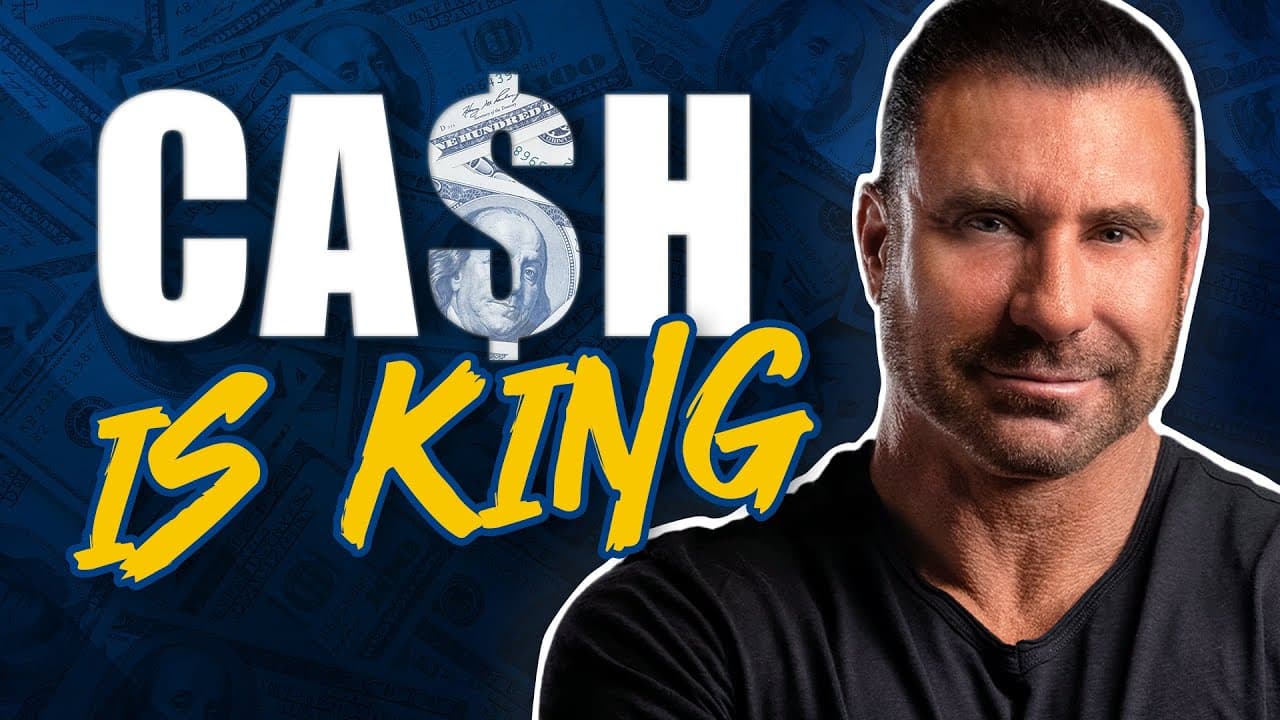
TL;DR
Develop disciplined financial habits to achieve long-term wealth.
Transcript
I love cash this notion that you should get rid of cash and cash is dropping in value because of inflation there's some validity to that and then it's also just wrong because when the economy changes cash is King there's a security and a confidence that comes with cash I'm convinced that the reverse is true this lie that if you get rid of all of yo... Read More
Key Insights
- Cash remains crucial in uncertain economic times, providing security and flexibility to make advantageous decisions.
- A saver’s mindset is essential; saving should be a habit developed regardless of income level.
- Debt should be used judiciously, primarily for appreciating assets, while avoiding over-leveraging.
- Financial independence requires planning; assess how long you can survive without income and plan accordingly.
- Spending habits should be audited regularly to identify unnecessary expenses and enhance savings.
- Investments and savings serve different purposes; both are crucial for financial stability and growth.
- Financial habits reflect overall life discipline; financial control often correlates with personal happiness.
- Wealth is built through consistent, disciplined financial habits over time, not by chance.
Install to Summarize YouTube Videos and Get Transcripts
Explore YouTube Video Summarizer or Get YouTube Transcript Extractor
Questions & Answers
Q: What is the main argument about cash in the video?
The video argues that cash is crucial for financial security and flexibility. It provides confidence and the ability to make advantageous decisions, especially during economic downturns. While leveraging debt can be beneficial, maintaining cash reserves is essential for long-term stability and to avoid stress when the economy changes.
Q: How does the speaker suggest one should handle debt?
The speaker advises using debt judiciously, primarily for appreciating assets. It's important to scrutinize the amount and frequency of debt usage to avoid over-leveraging. The focus should be on making money through smart investments rather than accumulating debt on depreciating assets, which can lead to financial strain.
Q: What does the speaker say about spending habits?
The speaker emphasizes the importance of auditing spending habits to identify unnecessary expenses. Regularly scrutinizing where money is spent, such as on subscriptions or luxury items, can help individuals save more effectively. Developing a saver’s mindset and prioritizing savings over spending can lead to long-term financial success.
Q: What is the significance of financial independence according to the video?
Financial independence is about having enough savings to sustain oneself without relying on a job. The video stresses the importance of planning for a future where income may cease, highlighting the need to assess how long one can live without income and to build savings accordingly. This planning is essential for long-term security and peace of mind.
Q: How does the speaker relate financial habits to overall life discipline?
The speaker suggests that financial habits are indicative of overall life discipline. Individuals who exhibit financial control and discipline are likely to experience greater happiness and stability in other areas of life. Conversely, those who are financially out of control may struggle with personal and emotional stability.
Q: What does the speaker say about the relationship between income and spending?
The speaker warns that increased income often leads to increased spending if habits are not controlled. Without disciplined financial habits, individuals may find themselves in the same financial position despite earning more. It's crucial to maintain saving habits regardless of income level to ensure financial growth and stability.
Q: What advice does the speaker give about investments and savings?
The speaker differentiates between savings and investments, noting that both are crucial for financial stability. Savings provide immediate security and flexibility, while investments contribute to long-term growth. It's important to maintain a balance between the two, ensuring that cash reserves are available for unforeseen opportunities or emergencies.
Q: What is the speaker's overall message about becoming wealthy?
The speaker emphasizes that wealth is not achieved by chance but through disciplined financial habits and routines. Consistent saving, prudent spending, and strategic investing are key components of building wealth over time. Developing these habits early and maintaining them throughout life is crucial for achieving long-term financial success.
Summary & Key Takeaways
-
Cash is essential for financial security and confidence, especially during economic downturns. It's important to maintain savings rather than rely solely on debt, which can be risky if over-leveraged.
-
Developing a saver’s mindset is crucial for financial success. This involves auditing spending habits and making conscious decisions to save even when income is low, creating a strong foundation for future wealth.
-
Financial independence requires careful planning and disciplined habits. Evaluate how long you can sustain yourself without income and build savings to ensure long-term security and peace of mind.
Read in Other Languages (beta)
Share This Summary 📚
Summarize YouTube Videos and Get Video Transcripts with 1-Click
Try YouTube Summary with ChatGPT & Claude or YouTube Transcript Generator
Explore More Summaries from Ed Mylett 📚






Summarize YouTube Videos and Get Video Transcripts with 1-Click
Try YouTube Summary with ChatGPT & Claude or YouTube Transcript Generator