If You Find Yourself CONSTANTLY Getting In Arguments, You Need To Do THIS!
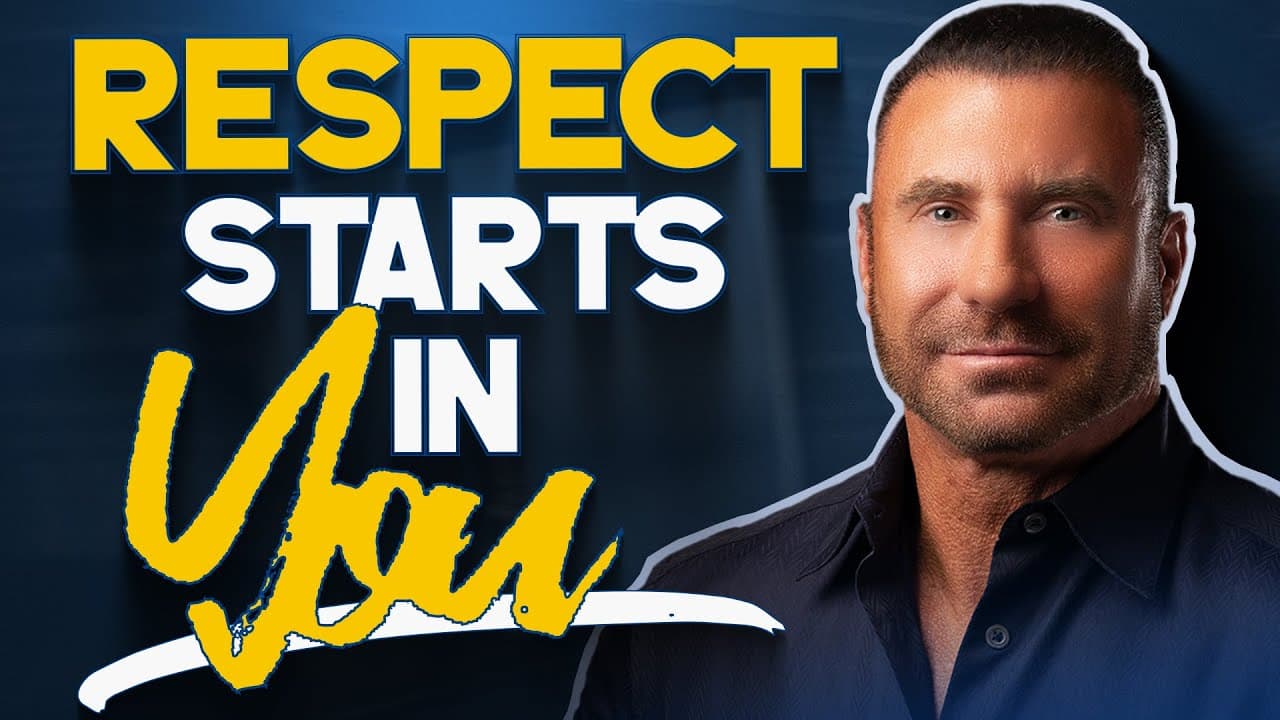
TL;DR
Learn to manage anger for healthier relationships and personal growth.
Transcript
you can deal with certain things in your life certain behaviors that don't feel good but if you are the target and the recipient of anger from somebody passive aggressive anger or direct shots verbally or physically you deserve better than that and remember this you teach people how to treat you you're teaching them it's okay to treat you this way ... Read More
Key Insights
- Anger is often a mask for fear, and those who express anger frequently may be weaker and scared individuals.
- You teach people how to treat you; accepting anger without consequences reinforces negative behavior.
- The contrast between high highs and low lows in toxic relationships can make the good moments seem better than they are.
- Anger and emotional volatility can have a lasting impact on children, who may model or accept similar behavior in the future.
- The best apology is a behavior not repeated; real change requires consistent positive actions.
- Emotional patterns, if not addressed, can be passed down through generations, affecting family dynamics.
- Strong individuals protect and nurture those around them, rather than intimidate or harm.
- Creating safe environments in relationships and workplaces is crucial for authentic self-expression and growth.
Install to Summarize YouTube Videos and Get Transcripts
Explore YouTube Video Summarizer or Get YouTube Transcript Extractor
Questions & Answers
Q: What is the main message of the video?
The main message of the video is to recognize and address anger in relationships, whether personal or professional. It highlights that anger is often a manifestation of fear and weakness, and those affected should not tolerate it. The speaker emphasizes the importance of emotional regulation and creating environments where individuals feel safe to be their authentic selves.
Q: How does the video suggest dealing with anger?
The video suggests several strategies for dealing with anger, including taking time to think before reacting, expressing concerns calmly and assertively, setting boundaries, and seeking help if necessary. It emphasizes the importance of not tolerating anger without consequences and encourages viewers to create environments that promote emotional well-being.
Q: What impact does anger have on children according to the video?
According to the video, anger can have a significant impact on children, who may model or accept similar behavior in the future. The speaker highlights that children who witness anger may either replicate the behavior or attract partners who treat them similarly. It stresses the importance of breaking the cycle of toxic behavior to prevent long-term effects on future generations.
Q: What does the video say about the contrast of high highs in toxic relationships?
The video explains that in toxic relationships, the contrast between high highs and low lows can make the good moments seem better than they actually are. This contrast can deceive individuals into thinking the relationship is more positive than it is, making it harder to recognize and address the underlying issues.
Q: What is the video’s stance on emotional safety?
The video strongly advocates for emotional safety in relationships and workplaces. It emphasizes that individuals can only be their authentic selves when they feel safe, and that creating environments of safety is crucial for personal growth and authentic self-expression. The speaker encourages viewers to prioritize emotional safety in all interactions.
Q: What personal experiences does the speaker share?
The speaker shares personal experiences of both exhibiting and receiving anger. He recounts how he used to operate out of anger in his leadership roles and personal relationships, and how he realized the destructive impact it had. He also shares stories from his childhood, where he witnessed anger and its effects on family dynamics.
Q: How does the video define a strong individual?
The video defines a strong individual as someone who protects and nurtures those around them rather than intimidates or harms. A strong person is kind, gentle, and emotionally regulated, able to defend and protect without resorting to anger or intimidation. The speaker emphasizes that true strength lies in emotional maturity and the ability to create safe environments.
Q: What are the consequences of not addressing anger?
The video warns that not addressing anger can lead to continued negative behavior, as it reinforces the idea that such behavior is acceptable. Over time, this can escalate and result in environments where individuals feel unable to express themselves authentically. It also highlights the potential for long-term effects on children and future generations if the cycle of anger is not broken.
Summary & Key Takeaways
-
The video emphasizes the importance of recognizing and addressing anger in personal and professional relationships. Anger is often a manifestation of fear and weakness, and those affected should not tolerate it. The speaker shares personal experiences of both exhibiting and receiving anger, highlighting the need for emotional regulation.
-
Key strategies for managing anger include taking time to think before reacting, expressing concerns calmly, and setting boundaries with those who exhibit anger. The importance of emotional safety in relationships is stressed, as it allows individuals to be their authentic selves.
-
The video encourages viewers to seek help if anger issues persist and to create environments that promote emotional well-being. It also highlights the impact of anger on children and future generations, urging individuals to break the cycle of toxic behavior.
Read in Other Languages (beta)
Share This Summary 📚
Summarize YouTube Videos and Get Video Transcripts with 1-Click
Try YouTube Summary with ChatGPT & Claude or YouTube Transcript Generator
Explore More Summaries from Ed Mylett 📚


Summarize YouTube Videos and Get Video Transcripts with 1-Click
Try YouTube Summary with ChatGPT & Claude or YouTube Transcript Generator