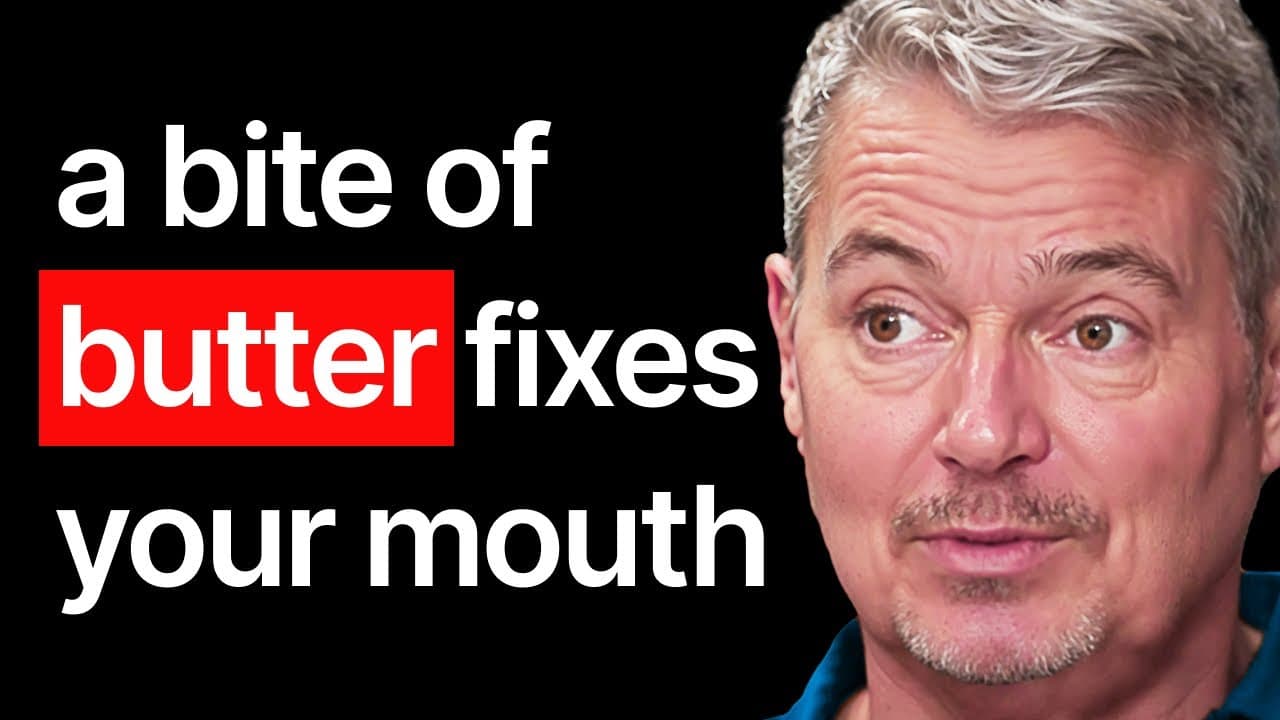
Fix The Microbiome: #1 Oral Care Routine To Fix Your Mouth & Disease (Dr Burhenne)
TL;DR
Oral health impacts whole body health, including chronic diseases.
Transcript
simply using an over-the-counter mouthwash which the profession's been recommending since the late 1800s that literally shortens your life by scraping the tongue you can literally lower your blood pressure as well Dr Mark Brenna is a world leading functional dentist who's on a mission to fix your mouth what's happen... Read More
Key Insights
- Dr. Mark Burhenne highlights the critical connection between oral health and chronic diseases such as Alzheimer's and heart disease.
- Using traditional oral care products like mouthwash and toothpaste with fluoride can disrupt the oral microbiome, leading to systemic health issues.
- A healthy oral microbiome acts as the body's first line of defense against bad bacteria and controls inflammation throughout the body.
- Bad breath and frequent cavities are indicators of a dysbiotic oral microbiome, which can be addressed by changing oral care routines and diet.
- Simple changes like avoiding mouthwash, using a tongue scraper, and choosing the right toothpaste can significantly improve oral and overall health.
- Diet plays a crucial role in maintaining oral health; a carnivore or ketogenic diet can help prevent cavities and gum disease.
- The oral microbiome is closely linked to seven chronic diseases, including cardiovascular disease, Alzheimer’s, and certain cancers.
- Dr. Burhenne suggests that oral care should focus more on removing harmful practices and less on adding products, emphasizing a natural approach.
Install to Summarize YouTube Videos and Get Transcripts
Explore YouTube Video Summarizer or Get YouTube Transcript Extractor
Questions & Answers
Q: Why is the oral microbiome important for overall health?
The oral microbiome is crucial because it acts as the body's first defense against harmful bacteria and controls inflammation, impacting overall health. A healthy oral microbiome can prevent chronic diseases like Alzheimer's and heart disease by maintaining balance and preventing harmful bacteria from entering the bloodstream.
Q: How do traditional oral care products affect the oral microbiome?
Traditional oral care products, like mouthwash and fluoride toothpaste, can disrupt the delicate balance of the oral microbiome. These products often kill beneficial bacteria, leading to a dysbiotic state that can contribute to systemic inflammation and chronic diseases.
Q: What are the signs of a dysbiotic oral microbiome?
Signs of a dysbiotic oral microbiome include bad breath, frequent cavities, gum disease, and bleeding gums. These symptoms indicate an imbalance in oral bacteria, which can lead to systemic health issues if not addressed.
Q: What is the connection between oral health and chronic diseases?
Oral health is closely linked to chronic diseases such as cardiovascular disease, Alzheimer's, and certain cancers. Poor oral hygiene can lead to a dysbiotic microbiome, which allows harmful bacteria to enter the bloodstream, causing inflammation and contributing to these diseases.
Q: How can diet influence oral health?
Diet plays a significant role in oral health. A diet low in refined sugars and carbohydrates, like a carnivore or ketogenic diet, can help maintain a healthy oral microbiome and prevent cavities and gum disease. These diets reduce the food supply for harmful bacteria, promoting oral health.
Q: What are some recommended changes to improve oral health?
To improve oral health, avoid traditional mouthwash, use a toothpaste with Nano-hydroxyapatite, and incorporate practices like tongue scraping and flossing. These changes help maintain a balanced oral microbiome and prevent systemic health issues.
Q: Why is tongue scraping recommended?
Tongue scraping is recommended because it helps remove bacteria and debris from the tongue, promoting a healthy oral microbiome. This practice can reduce bad breath and support the production of nitric oxide, which is beneficial for cardiovascular health.
Q: What role does xylitol gum play in oral health?
Xylitol gum helps maintain oral health by neutralizing acids in the mouth and reducing bacteria that cause cavities. Chewing xylitol gum after meals can increase saliva production, helping to wash away food particles and maintain a healthy pH balance in the mouth.
Summary & Key Takeaways
-
Dr. Mark Burhenne discusses the significant impact of oral health on overall body health, linking poor oral care to chronic diseases like Alzheimer's and heart disease.
-
Traditional oral care products can harm the oral microbiome, leading to systemic health issues. A shift in oral care practices is necessary for better health outcomes.
-
Dietary choices, like adopting a carnivore or ketogenic diet, along with proper oral hygiene practices, can prevent oral and systemic diseases.
Read in Other Languages (beta)
Share This Summary 📚
Summarize YouTube Videos and Get Video Transcripts with 1-Click
Try YouTube Summary with ChatGPT & Claude or YouTube Transcript Generator
Explore More Summaries from The Primal Podcast (5 Minute Body) 📚




Summarize YouTube Videos and Get Video Transcripts with 1-Click
Try YouTube Summary with ChatGPT & Claude or YouTube Transcript Generator