What Bill Gates hopes we learn from coronavirus
TL;DR
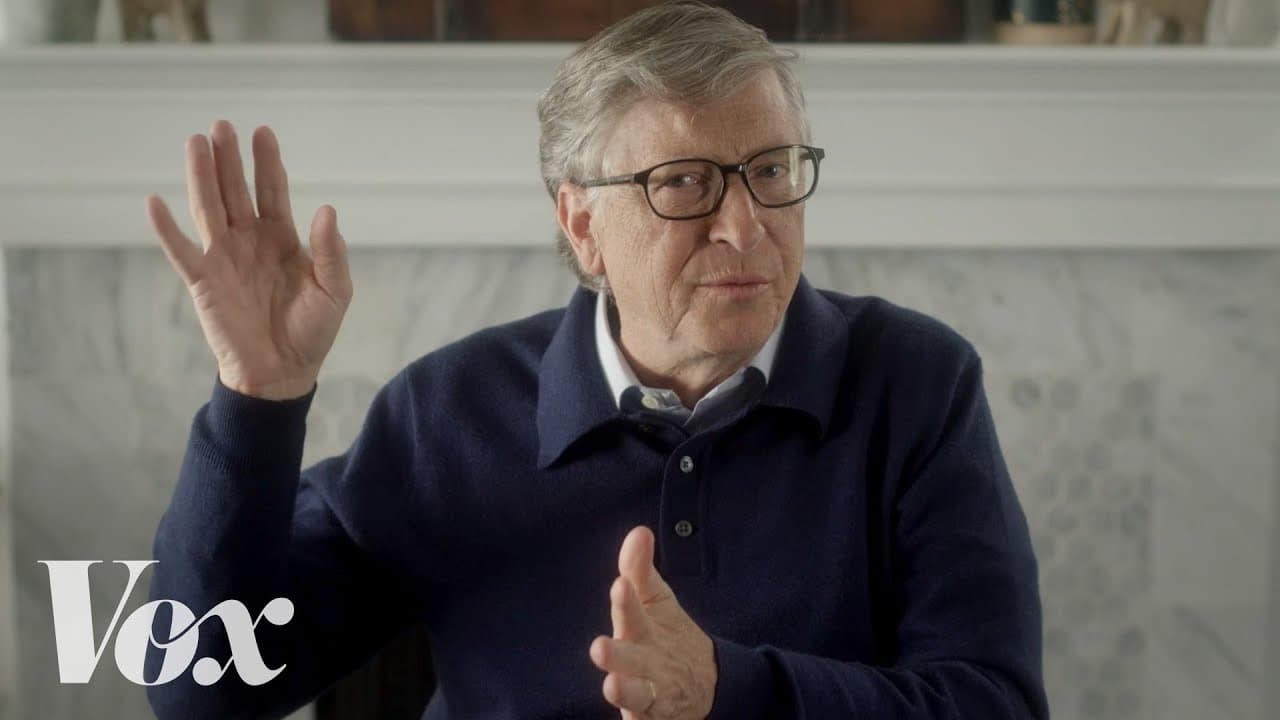
Bill Gates hopes for global unity post-COVID, like post-WWII.
Transcript
Ezra Klein: So in 2015 I asked you what you were afraid of. Bill Gates: The big worry for me – I would say even a likelihood during my lifetime is a big epidemic. Klein: So let me ask you the reverse of it. I'm thinking three or five years into the future beyond just a vaccine. What are you hopeful for? What do you hope for? Gates: Well, I hope tha... Read More
Key Insights
- Bill Gates foresaw a major epidemic as a significant threat, similar to what COVID-19 has become, emphasizing the need for preparedness.
- Gates hopes the pandemic will lead to global cooperation, akin to the post-World War II era, to prevent future crises.
- The current pandemic has highlighted the importance of efficient testing, as seen in countries like Taiwan and South Korea, which had prior experience with similar outbreaks.
- Developing countries face unique challenges in handling the pandemic, with social isolation and food access being significant issues.
- The U.S. has played a crucial role in global health, particularly in HIV funding, showcasing the importance of international health initiatives.
- Gates believes that the U.S. will continue to engage globally, despite temporary setbacks in funding organizations like the WHO.
- Global cooperation is essential for strategic relationships and preventing disease re-entry, benefiting all participating nations.
- The pandemic could be a catalyst for innovation and economic growth, similar to the transformative period after World War II.
Install to Summarize YouTube Videos and Get Transcripts
Explore YouTube Video Summarizer or Get YouTube Transcript Extractor
Questions & Answers
Q: What was Bill Gates's main concern in 2015?
In 2015, Bill Gates's main concern was the likelihood of a major epidemic occurring during his lifetime. He foresaw the potential for a pandemic to have a significant impact on global health and emphasized the need for preparedness and effective response mechanisms to mitigate such threats.
Q: What does Gates hope for in the post-COVID world?
Gates hopes that the COVID-19 pandemic will lead to global cooperation and unity, similar to the post-World War II era. He envisions the creation of new institutions and collaborative efforts to prevent future crises, foster innovation, and drive economic growth, thereby ensuring a more resilient world.
Q: How did countries like Taiwan and South Korea handle the pandemic effectively?
Countries like Taiwan and South Korea handled the pandemic effectively by leveraging their prior experiences with outbreaks like MERS and SARS. They had established playbooks for testing and response, allowing them to act swiftly and efficiently. Their early and organized testing efforts helped control the spread of the virus.
Q: What challenges do developing countries face during the pandemic?
Developing countries face significant challenges during the pandemic, including limited capacity for social isolation and difficulties in securing food supplies. These constraints make it harder for them to implement the same measures as wealthier nations, resulting in a potentially higher toll from the virus in these regions.
Q: What role has the U.S. played in global health initiatives?
The U.S. has played a crucial role in global health initiatives, particularly through its generous funding for HIV/AIDS relief worldwide. Programs like PEPFAR have significantly reduced death rates and improved health outcomes, demonstrating the importance of U.S. leadership and investment in international health efforts.
Q: What is Gates's view on the U.S.'s current global health engagement?
Gates believes that despite temporary setbacks, such as halting WHO funding, the U.S. will continue to engage in global health efforts. He sees this engagement as vital for maintaining strategic relationships and preventing the re-entry of diseases, which is beneficial for both the U.S. and the global community.
Q: Why is global cooperation important according to Gates?
Global cooperation is crucial, according to Gates, because it helps build strategic relationships and prevents the spread of diseases across borders. By working together, countries can better manage global health threats, share resources, and ensure that the benefits of global commerce reach all participating nations.
Q: How does Gates compare the pandemic's potential impact to historical events?
Gates compares the potential impact of the pandemic to the transformative period following World War II. He hopes that, like post-WWII, the pandemic will lead to the creation of institutions and innovations that drive economic growth and improve global health, turning a challenging situation into an opportunity for progress.
Summary & Key Takeaways
-
Bill Gates, in a 2015 interview, expressed concern about a potential global epidemic, which has now become a reality with COVID-19. He hopes for global unity post-pandemic, similar to the post-World War II era, to prevent future crises and foster innovation and economic growth.
-
The pandemic has underscored the importance of effective testing and preparedness, as demonstrated by countries like Taiwan and South Korea. Developing countries face additional challenges, such as limited ability to socially isolate and secure food, making them more vulnerable to the virus's impact.
-
Despite temporary setbacks in funding global health organizations, Gates remains optimistic about the U.S.'s continued engagement in international health initiatives. He emphasizes the strategic importance of global cooperation to prevent disease re-entry and benefit from global commerce.
Read in Other Languages (beta)
Share This Summary 📚
Summarize YouTube Videos and Get Video Transcripts with 1-Click
Try YouTube Summary with ChatGPT & Claude or YouTube Transcript Generator
Explore More Summaries from Vox 📚

Summarize YouTube Videos and Get Video Transcripts with 1-Click
Try YouTube Summary with ChatGPT & Claude or YouTube Transcript Generator