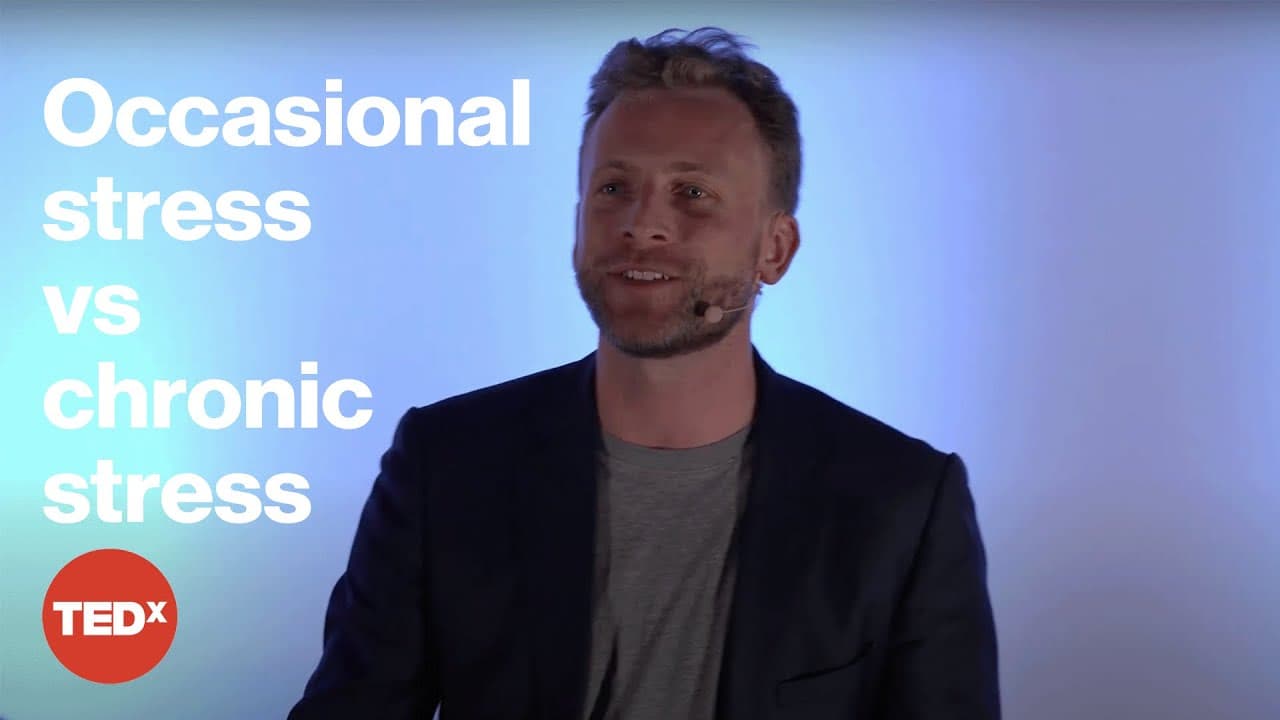
What we get wrong about stress | Thijs Launspach | TEDxVUAmsterdam
TL;DR
Stress and burnout are widespread issues due to toxic work environments, requiring a human revolution in the workplace.
Transcript
foreign is called Felix I met him when I was 16. we were both long-haired hard rockers we were into beer and we were into Ivan Maiden so we bonded and Felix has a huge tattoo of the skyline of Amsterdam across his old chests and his both of the arms but you can't see it when he wears a dress shirt or a suit and Felix is someone you can call in a cr... Read More
Key Insights
- 🥺 Chronic stress can lead to burnout, affecting individuals across various professions.
- 💦 Toxic productivity cultures in work settings contribute to stress and burnout.
- 💦 Creating healthier work environments is essential to combat the burnout epidemic.
- 🥳 Organizations can implement interventions like shorter working days and mental health support.
- 💦 Individuals play a crucial role in rejecting toxic work norms and promoting well-being.
- 💠 Leaders have a significant impact on shaping workplace culture and addressing stress-related issues.
- 🧑⚕️ Prioritizing mental health in the workplace benefits both employees and organizational outcomes.
Install to Summarize YouTube Videos and Get Transcripts
Explore YouTube Video Summarizer or Get YouTube Transcript Extractor
Questions & Answers
Q: What led to Felix's burnout, and how does his experience reflect broader workplace challenges?
Felix's burnout stemmed from juggling excessive work responsibilities, a common issue in today's fast-paced work culture. His experience mirrors the broader challenge of chronic stress and burnout affecting many professionals due to demanding work environments.
Q: Why is chronic stress considered harmful, and how does it differ from healthy stress levels?
Chronic stress, unlike healthy stress that can motivate individuals, leads to long-term health problems, motivation issues, and eventual burnout. Maintaining a balance and recognizing the impact of chronic stress is crucial for overall well-being.
Q: How do toxic work environments contribute to stress and burnout?
Toxic work environments cultivate a culture of constant productivity, where employees feel pressured to work long hours, respond to emails at all times, and prioritize work over their well-being. This atmosphere contributes significantly to stress and burnout levels.
Q: What can individuals and organizations do to combat stress and create healthier work environments?
Individuals and organizations can implement strategies such as shorter working days, better support systems, mental health days, and fostering a culture of compassion. These interventions help mitigate stress levels and promote overall well-being in the workplace.
Summary & Key Takeaways
-
Felix, a hardworking manager, experienced burnout from combining three full-time jobs, reflecting a common struggle in today's busy work culture.
-
Chronic stress can lead to burnout, affecting individuals across various professions, emphasizing the need for a shift in work environments.
-
Toxic productivity cultures in work settings contribute to stress and burnout, highlighting the importance of creating healthier workplaces.
Read in Other Languages (beta)
Share This Summary 📚
Summarize YouTube Videos and Get Video Transcripts with 1-Click
Try YouTube Summary with ChatGPT & Claude or YouTube Transcript Generator
Explore More Summaries from TEDx Talks 📚






Summarize YouTube Videos and Get Video Transcripts with 1-Click
Try YouTube Summary with ChatGPT & Claude or YouTube Transcript Generator