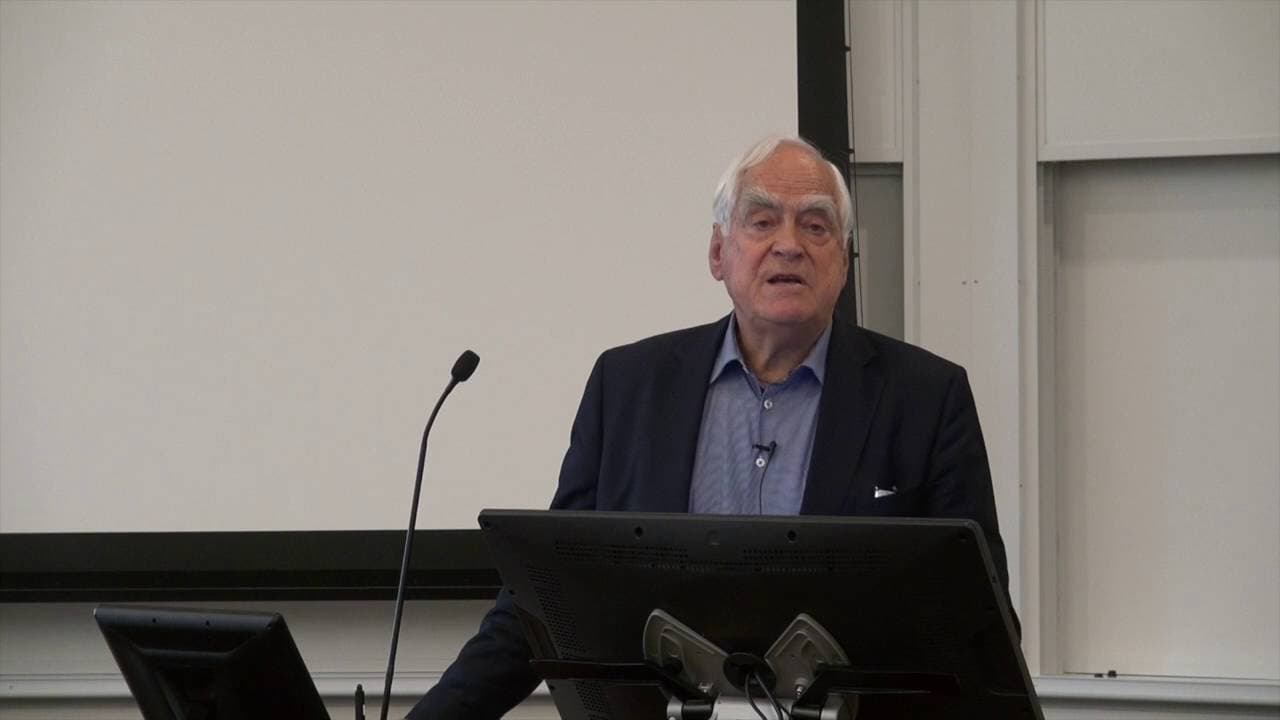
Peter Eigen (Transparency International) - Very Impactful People - Stanford University
TL;DR
This comprehensive analysis discusses the journey and impact of the fight against corruption, highlighting the role of civil society in shaping global governance.
Transcript
well um I only visit eight I said what do you mean yeah that's right it's fine well thank you very much it's fantastic to be invited here at first I didn't know what it meant to be an impact impactful person I only remember that my daughter was the only person who never allowed me in any impact on on her education but he educated me quite severely ... Read More
Key Insights
- 📽️ Corruption within development projects can undermine the economic and social development of countries.
- 😮 The refusal of the World Bank to address corruption was a mistake that led to the rise of anti-corruption organizations like Transparency International.
- 🌐 Collaboration between civil society, government, and the private sector is crucial in combating corruption and improving global governance.
- 🏈 The American Foreign Corrupt Practices Act was influential in inspiring other countries to introduce legislation against corruption.
Install to Summarize YouTube Videos and Get Transcripts
Explore YouTube Video Summarizer or Get YouTube Transcript Extractor
Questions & Answers
Q: How did the American Foreign Corrupt Practices Act impact the fight against corruption?
The speaker acknowledges that the act was effective, but also notes that its implementation has not been perfect. American companies have been caught engaging in corruption, showing that the act alone is not sufficient. However, it did inspire other countries to introduce similar legislation.
Q: What challenges did Transparency International face in trying to combat corruption within the World Bank?
The speaker highlights the initial resistance from the World Bank's legal department and the belief that corruption was a domestic matter of partner countries. However, with the support of the World Economic Forum and the leadership of Jim Wolfensohn, they were able to change the view of the World Bank and create a tougher anti-corruption stance.
Q: How did civil society organizations work with other actors like governments and the private sector in the fight against corruption?
The speaker discusses the importance of collaboration between civil society, government, and the private sector. They emphasize the need for civil society organizations to work with these actors, despite initial hesitation from some organizations. They stress the importance of maintaining independence while still finding common goals and interests.
Q: Has the World Bank fully embraced the fight against corruption?
The speaker acknowledges that the World Bank has come a long way in embracing anti-corruption efforts. However, they also mention that there are still challenges, such as inconsistencies in implementation across different countries. There is a need for continued vigilance and pressure from civil society to ensure accountability.
Summary & Key Takeaways
-
The speaker shares their personal journey as a civil society activist, starting at the World Bank and realizing the damaging effects of corruption on development projects.
-
They discuss the difficulties in trying to combat corruption within the World Bank and how it led to the creation of Transparency International and other anti-corruption initiatives.
-
The speaker emphasizes the importance of civil society, government, and private sector collaboration, as well as the need for transparency and accountability within civil society organizations themselves.
Read in Other Languages (beta)
Share This Summary 📚
Summarize YouTube Videos and Get Video Transcripts with 1-Click
Try YouTube Summary with ChatGPT & Claude or YouTube Transcript Generator
Explore More Summaries from Stanford 📚




Summarize YouTube Videos and Get Video Transcripts with 1-Click
Try YouTube Summary with ChatGPT & Claude or YouTube Transcript Generator