How Do Prisoners Build Muscle Without Extra Calories?
TL;DR
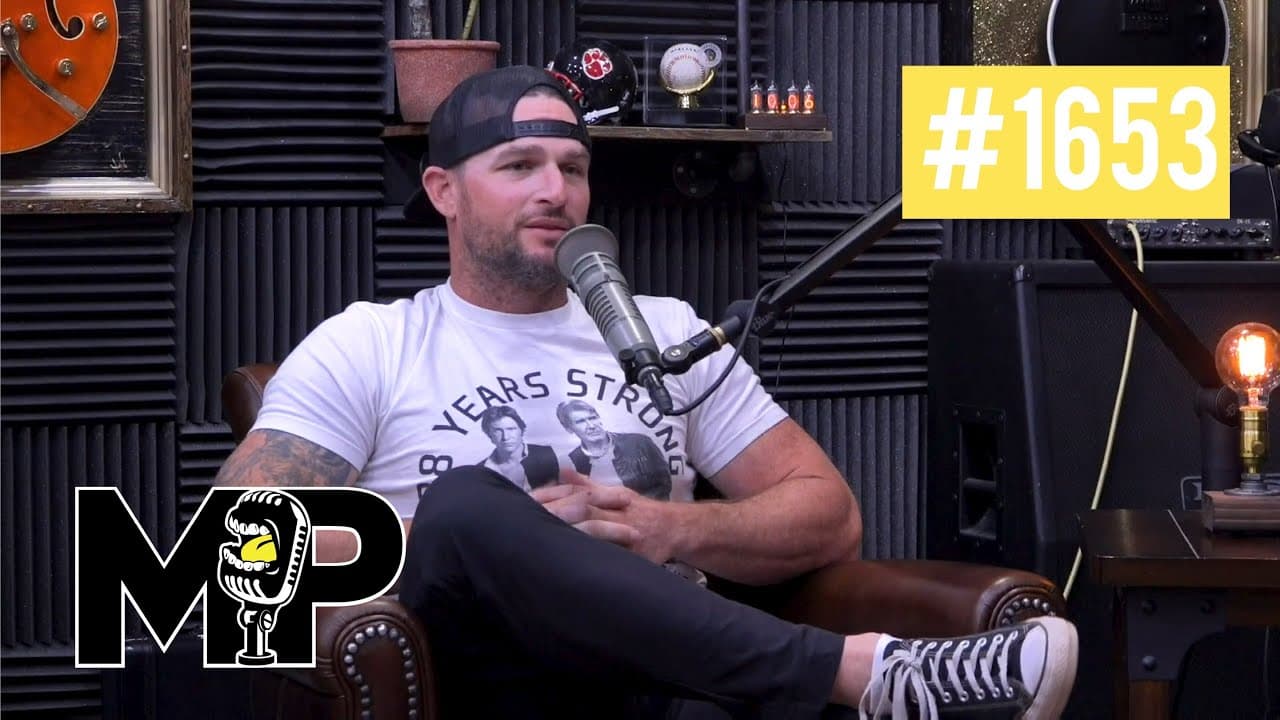
Prisoners often achieve impressive muscle gains despite limited calorie intake by focusing on high-intensity bodyweight exercises and maximizing protein efficiency. Consistency, discipline, and creativity in their workout routines play a crucial role. They utilize available resources to create resistance and maintain a strict regimen that compensates for the lack of traditional gym equipment.
Transcript
khi ông già inbank file for better with the further I Miss Universe xpress install uses-permission Today is not redirected Korea and worship all about his Story of my for Halloween is over kara Super powers are you Where were answered all three caballeros number one industry with water Bright lip Primer map supports the first diplomat populum apple... Read More
Key Insights
- Prison inmates build muscle by focusing on bodyweight exercises like push-ups and pull-ups.
- They often lack access to gym equipment, so creativity in workouts is crucial.
- Consistency and discipline are key to their muscle-building success.
- Inmates maximize protein efficiency by carefully selecting their food sources.
- The limited calorie intake requires strategic meal planning and timing.
- Prison workouts emphasize high intensity and volume to compensate for dietary limitations.
- Prisoners often form workout groups to maintain motivation and accountability.
- The environment fosters a focus on mental toughness and resilience in training.
Install to Summarize YouTube Videos and Get Transcripts
Explore YouTube Video Summarizer or Get YouTube Transcript Extractor
Questions & Answers
Q: How do prisoners build muscle without a calorie surplus?
Prisoners build muscle by focusing on high-intensity bodyweight exercises such as push-ups and pull-ups. They maximize protein efficiency through careful food selection and strategic meal timing. Consistency, discipline, and creativity in workouts help compensate for the lack of traditional gym equipment and limited calorie intake.
Q: What are some effective glute exercises?
Effective glute exercises include squats, lunges, hip thrusts, and deadlifts. These exercises target the glute muscles and can be performed with or without weights. Consistency and proper form are crucial for maximizing results. Incorporating variations like single-leg exercises can further enhance glute development.
Q: Is bench pressing with feet off the floor recommended?
Bench pressing with feet off the floor is not typically recommended as it can compromise stability and increase the risk of injury. Keeping feet planted provides a solid base, allowing for better control and power during the lift. Proper form and technique are essential for safety and effectiveness.
Q: How did the hosts of Mind Pump get connected?
The hosts of Mind Pump connected through their shared passion for fitness and health. They recognized a gap in the market for evidence-based fitness information and decided to collaborate. Their complementary skills and experiences in the fitness industry helped them create a successful podcast that resonates with a wide audience.
Q: Why is discipline important in fitness?
Discipline is important in fitness because it ensures consistency and adherence to a workout and nutrition plan. It helps individuals overcome challenges and maintain motivation over the long term. Discipline fosters the development of healthy habits and is crucial for achieving fitness goals and sustaining results.
Q: What role does creativity play in prison workouts?
Creativity is essential in prison workouts due to the lack of traditional gym equipment. Inmates use everyday items and bodyweight exercises to create resistance and variety in their routines. This ingenuity helps maintain motivation and ensures a comprehensive workout despite limited resources.
Q: How do prisoners maintain motivation for workouts?
Prisoners maintain motivation for workouts by forming workout groups that provide accountability and support. The camaraderie and shared goals within these groups foster a sense of community and encourage consistency. Additionally, focusing on mental toughness and resilience helps inmates stay committed to their fitness routines.
Q: What is the difference between discipline and motivation?
Discipline involves adhering to a routine and maintaining consistency, even when motivation wanes. Motivation is the initial drive or desire to achieve a goal, but it can fluctuate over time. Discipline ensures that individuals continue working towards their goals regardless of their current level of motivation.
Summary & Key Takeaways
-
Prisoners build muscle through high-intensity bodyweight exercises, despite limited calorie intake. They use creative methods to create resistance and focus on consistency and discipline in their routines. Protein efficiency is maximized through strategic food choices, and group workouts help maintain motivation.
-
The lack of gym equipment in prisons leads inmates to rely on bodyweight exercises like push-ups and pull-ups. They emphasize high intensity and volume in their workouts to counter dietary constraints. Mental toughness and resilience are key components of their fitness success.
-
Prison workouts involve strategic meal planning and timing to optimize limited calorie intake. Inmates form workout groups for accountability and motivation, focusing on a disciplined approach to training. Creativity is essential to overcome the lack of traditional gym resources.
Read in Other Languages (beta)
Share This Summary 📚
Summarize YouTube Videos and Get Video Transcripts with 1-Click
Try YouTube Summary with ChatGPT & Claude or YouTube Transcript Generator
Explore More Summaries from Mind Pump Show 📚

Summarize YouTube Videos and Get Video Transcripts with 1-Click
Try YouTube Summary with ChatGPT & Claude or YouTube Transcript Generator