How to Win a Debt Collection Lawsuit with Google Scholar
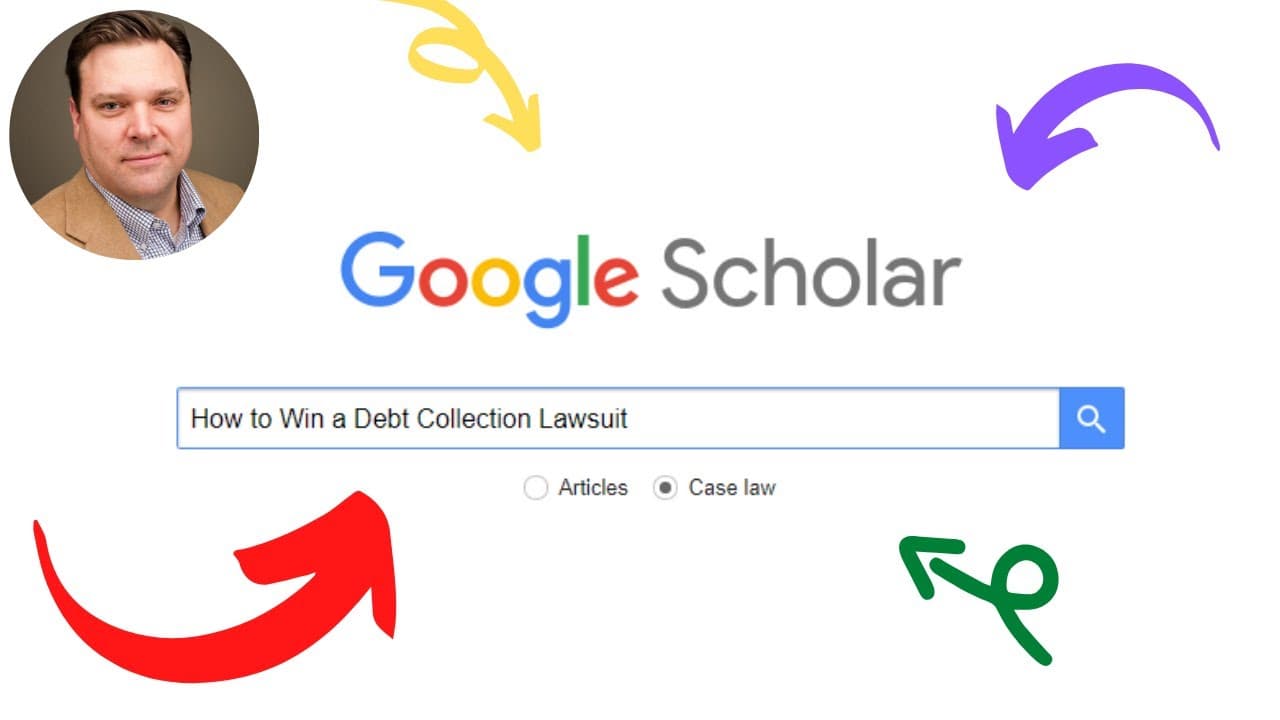
TL;DR
Learn how to use Google Scholar to research case law and statutes in your state if you're being sued by a debt collector.
Transcript
in this video I'm gonna provide you with free resources that you can use to find out the law is in your state as you're fighting back in your debt collection lawsuit but first if this is your first time here on my youtube channel go ahead and click Subscribe each week I put out new videos that'll help you with dealing with serious debt problems oka... Read More
Key Insights
- 👮 Representing yourself in a debt collection lawsuit requires a thorough understanding of the law to level the playing field between you and the debt collector's attorney.
- 🥶 Google Scholar is a powerful and free resource that provides access to case law and statutes, helping you research and gather information for your defense.
- 💼 Case law found on Google Scholar may not always be binding, but it can offer valuable insights and discussions on legal issues relevant to your case.
Install to Summarize YouTube Videos and Get Transcripts
Explore YouTube Video Summarizer or Get YouTube Transcript Extractor
Questions & Answers
Q: Why is it important to know the law if you're representing yourself in a debt collection lawsuit?
Knowing the law is crucial as the court will hold you to the same standards as an attorney. Understanding the law can help you respond to motions and prepare for trial effectively.
Q: How can Google Scholar help with researching the law in a debt collection lawsuit?
Google Scholar provides access to case law and statutes, allowing you to search for relevant information specific to your state. You can see how courts have ruled on similar cases in the past, which can guide your defense strategy.
Q: Are all the cases found on Google Scholar binding legal precedent?
No, not all cases found on Google Scholar are binding legal precedent. Some cases are unpublished and, therefore, not considered binding. However, even unpublished cases can provide valuable insights and discussions on legal issues.
Q: How can you save your research on Google Scholar?
If you have a Google account, you can log in to Google Scholar and save articles and cases to your library. This allows you to organize your research by topic and easily access the information later.
Summary & Key Takeaways
-
Representing yourself in a debt collection lawsuit means being held to the same standards as an attorney, making it important to understand the law.
-
Google Scholar is a free resource that allows you to search for case law and statutes related to your specific state.
-
By searching for relevant case law, you can see how courts have ruled on similar cases in the past and gather valuable information to help with your defense.
Read in Other Languages (beta)
Share This Summary 📚
Summarize YouTube Videos and Get Video Transcripts with 1-Click
Try YouTube Summary with ChatGPT & Claude or YouTube Transcript Generator
Explore More Summaries from Consumer Warrior 📚



Summarize YouTube Videos and Get Video Transcripts with 1-Click
Try YouTube Summary with ChatGPT & Claude or YouTube Transcript Generator