How Our Childhoods Can Turn Us Into People Pleasers | Mel Robbins Podcast Clips
TL;DR
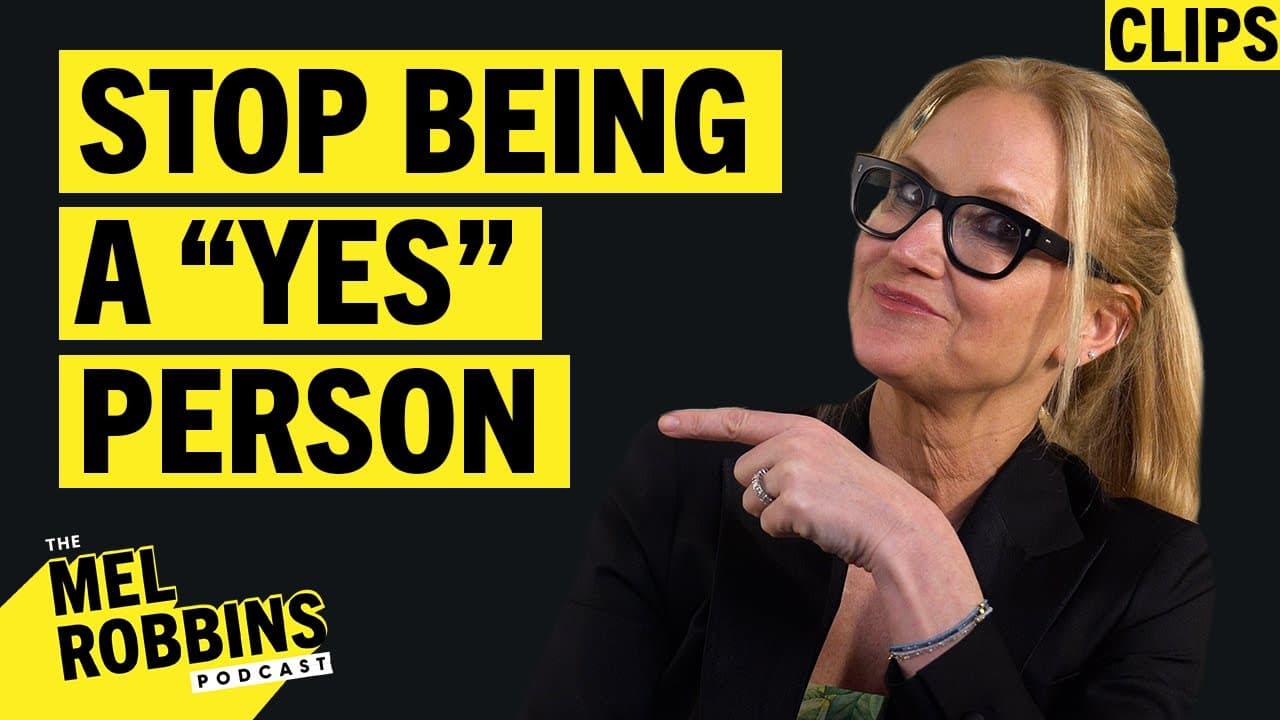
Dr. Nas discusses the tendency to become a "yes person" and lose oneself in the process, the impact of people-pleasing on relationships and decision-making, and the importance of finding balance and authenticity.
Transcript
one of the things that caught my attention is that you describe this thing that we all do where we become a yes person what does that mean it is when we almost lose an anchor inside of ourselves and we become a yes to the outside world we become Driftwood in the ocean like we're going in whatever Direction the wind is blowing us uh and really it's ... Read More
Key Insights
- 😚 Becoming a "yes person" involves losing one's sense of self and being carried along by external forces.
- 😨 People-pleasing is driven by the fear of conflict and the desire to belong, often sacrificing personal needs in the process.
- 👯 Childhood experiences and feelings of not belonging can contribute to the development of people-pleasing behavior later in life.
- ⚖️ Striking a balance between considering external input and prioritizing one's own desires is crucial for authenticity and personal growth.
- 🥺 Excessive people-pleasing can have negative physical and emotional impacts, leading to stress, exhaustion, and frustration.
- 👯 Understanding the connection between past experiences and present behaviors can help individuals overcome people-pleasing tendencies.
- 🤩 Recognizing and managing one's own emotions is key to breaking free from the cycle of people-pleasing.
Install to Summarize YouTube Videos and Get Transcripts
Explore YouTube Video Summarizer or Get YouTube Transcript Extractor
Questions & Answers
Q: What is the difference between being a "yes person" and people-pleasing?
Being a "yes person" means losing oneself in the process and going along with external influences, while people-pleasing involves sacrificing personal needs to appease others and maintain relationships.
Q: How do childhood experiences contribute to people-pleasing behavior?
Early experiences of feeling disconnected and not belonging can shape coping mechanisms and strategies, such as people-pleasing, as a way to seek love and validation from others.
Q: What are the consequences of people-pleasing?
People-pleasing can lead to physical and emotional health issues, such as constant stress, exhaustion, and frustration, as well as difficulty in making authentic decisions.
Q: Can everyone be classified as a people-pleaser?
While many people engage in people-pleasing to some extent, not everyone falls into this category. It depends on the individual's coping mechanisms and their ability to balance external input with their own desires.
Summary & Key Takeaways
-
"Yes person" behavior refers to losing one's sense of self and becoming overly compliant to external forces, leading to feeling overwhelmed and being unable to make decisions.
-
People-pleasing involves sacrificing one's own needs and desires to please others in order to maintain relationships and avoid conflict.
-
The goal is to strike a balance between considering external input while also prioritizing one's own desires and values.
Read in Other Languages (beta)
Share This Summary 📚
Summarize YouTube Videos and Get Video Transcripts with 1-Click
Try YouTube Summary with ChatGPT & Claude or YouTube Transcript Generator
Explore More Summaries from Mel Robbins 📚




Summarize YouTube Videos and Get Video Transcripts with 1-Click
Try YouTube Summary with ChatGPT & Claude or YouTube Transcript Generator