That Time a Dude Was Given a Nobel Prize for Intentionally Infecting People with Malaria
TL;DR
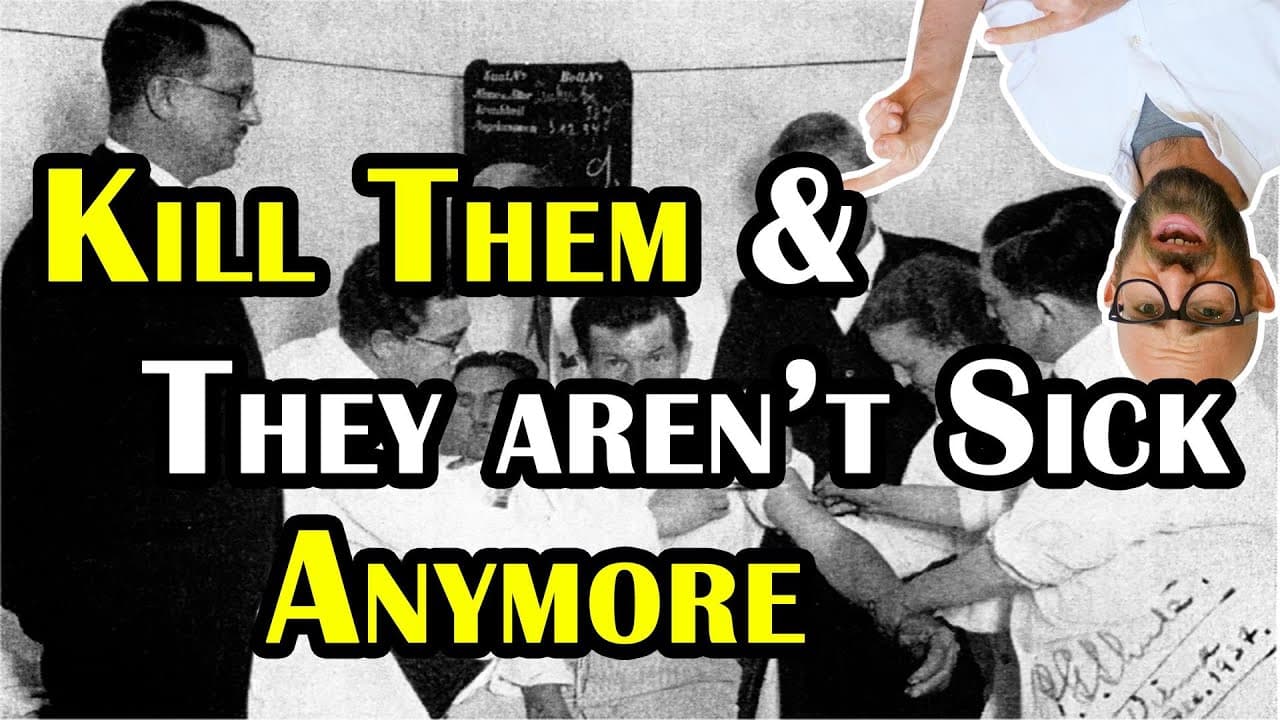
Fever therapy, also known as pyrotherapy, was a treatment method in the early 20th century that involved deliberately infecting patients with malaria to cure them of neurosyphilis.
Transcript
malaria is one of the most deadly infections in human history even today it infects over 200 million people every year the vast majority in sub-saharan africa spread by the bite of the anopheles mosquito malaria is caused by five species of the parasite plasmodium and induces a laundry list of horrible symptoms including intense recurring fever shi... Read More
Key Insights
- 😷 Malaria, a deadly infection, was once willingly used as a medical treatment for neurosyphilis.
- 🤞 Fever therapy offered hope for patients with neurosyphilis before the advent of antisyphilitic drugs.
- ⛔ The success of fever therapy was limited, and it was gradually replaced by more effective treatments.
- 😀 Fever therapy highlighted the desperation of doctors and patients in the face of incurable diseases.
- ❓ The introduction of salvarsan and penicillin revolutionized the treatment of syphilis.
- 📞 Julius Wagner-Jauregg, the pioneer of fever therapy, received the Nobel Prize but later supported Nazi policies.
- 💨 Fever therapy paved the way for advancements in the understanding and treatment of mental illnesses.
Install to Summarize YouTube Videos and Get Transcripts
Explore YouTube Video Summarizer or Get YouTube Transcript Extractor
Questions & Answers
Q: What is fever therapy?
Fever therapy, also known as pyrotherapy, was a medical treatment that involved deliberately infecting patients with malaria to induce fever and cure neurosyphilis.
Q: How did fever therapy work?
Patients would be infected with the malaria parasite, which would induce a high-grade fever. The fever was then treated with quinine, and it was believed that this process would cure patients of their neurosyphilis.
Q: Why was fever therapy used for the treatment of neurosyphilis?
In the early 20th century, there were no effective treatments available for neurosyphilis, and it was considered a death sentence. Fever therapy offered a glimmer of hope for patients and was seen as a last resort.
Q: What were the risks and success rates of fever therapy?
Fever therapy had its risks, with a mortality rate of 2-20%. Only 30% of patients were permanently cured, and the majority experienced relapses. However, for many patients, the potential benefits outweighed the risks.
Summary & Key Takeaways
-
Malaria, one of the most deadly infections, was used as a treatment for neurosyphilis in the form of fever therapy.
-
Fever therapy involved infecting patients with malaria and then treating the resulting fever with quinine.
-
The treatment showed promising results but was eventually replaced by the introduction of antisyphilitic drugs, such as salvarsan and penicillin.
Read in Other Languages (beta)
Share This Summary 📚
Summarize YouTube Videos and Get Video Transcripts with 1-Click
Try YouTube Summary with ChatGPT & Claude or YouTube Transcript Generator
Explore More Summaries from Today I Found Out 📚






Summarize YouTube Videos and Get Video Transcripts with 1-Click
Try YouTube Summary with ChatGPT & Claude or YouTube Transcript Generator