English Google Webmaster Central office-hours hangout
TL;DR
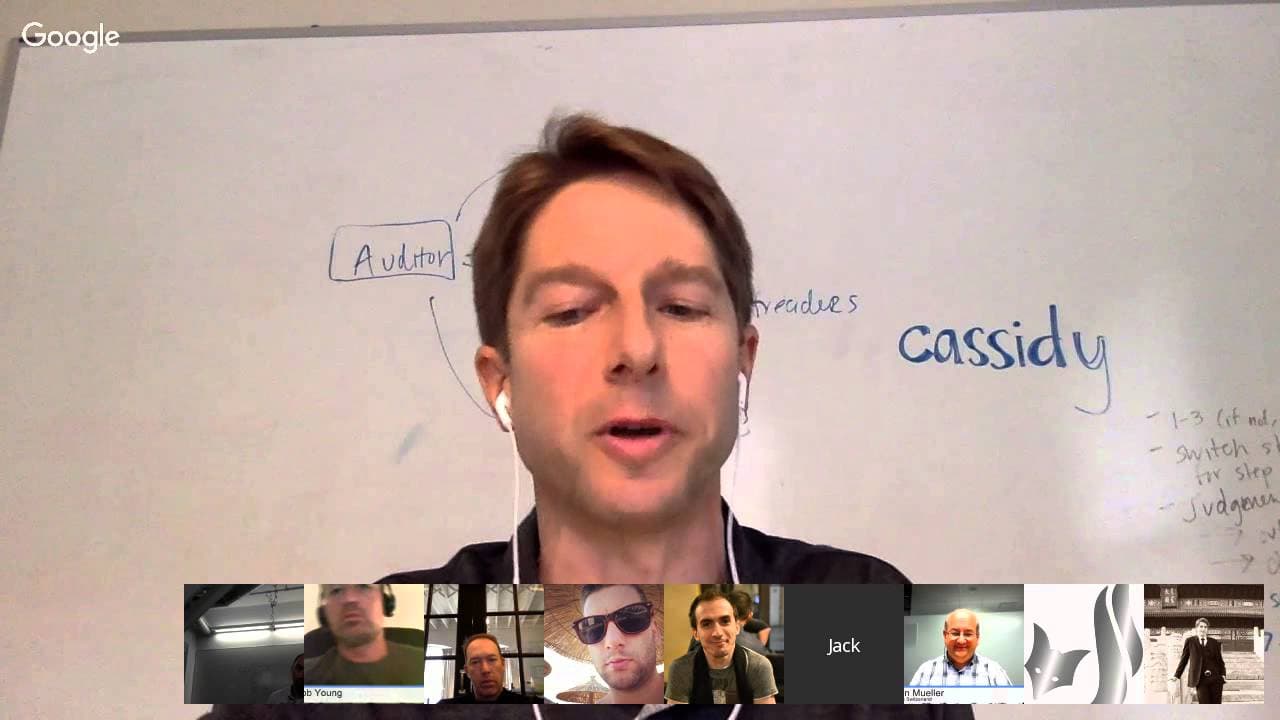
John Mueller discusses SEO, structured data, and web indexing.
Transcript
JOHN MUELLER: Go on to today's Google Webmaster Central Office Hours Hangouts. My name is John Mueller. And I'm here in Mountain View this time at a special US-friendly time to help answer any webmaster, web search related questions that you all might have. I see there are some new faces here, as well. If any of you who are new to these Hangouts ha... Read More
Key Insights
- Structured data helps Google understand page content better, but overuse does not guarantee ranking benefits.
- Google's algorithms continuously evolve, and unique, high-quality content remains crucial for ranking.
- The Fetch as Google tool can assist in diagnosing indexing issues, especially for JavaScript-heavy sites.
- No index tags should be used thoughtfully; they do not affect linking pages but prevent content indexing.
- Google's RankBrain improves understanding of complex queries but does not replace existing algorithms.
- HTTP/2 adoption may improve crawling efficiency, but it does not directly impact ranking.
- User-generated content sites face challenges in maintaining quality; strategic curation is recommended.
- Manual actions from Google can expire, removing penalties without notification.
Install to Summarize YouTube Videos and Get Transcripts
Explore YouTube Video Summarizer or Get YouTube Transcript Extractor
Questions & Answers
Q: What is the impact of structured data on SEO?
Structured data aids Google in recognizing and understanding page content, potentially leading to better indexing and appearance in rich results. However, over-marking a page with structured data does not guarantee improved rankings. Webmasters should focus on marking up entities relevant to their content and user queries.
Q: How does Google handle no index tags?
No index tags instruct Google not to index a page's content. They do not affect the pages linking to the no-indexed page. However, if content is crucial for search visibility, webmasters should use canonical tags or proper redirects instead of no index tags to manage duplicate content effectively.
Q: What is RankBrain and its role in search?
RankBrain is an artificial intelligence component of Google's algorithm that helps interpret complex or ambiguous queries to provide better search results. It works alongside traditional algorithms, enhancing Google's ability to deliver relevant results for previously unseen queries but does not replace other ranking factors.
Q: Does switching to HTTP/2 affect SEO?
Switching to HTTP/2 can improve the speed and efficiency of page loading and crawling, which may indirectly benefit SEO by allowing Googlebot to crawl more pages or do so more frequently. However, HTTP/2 itself does not directly influence search rankings.
Q: What should user-generated content sites focus on?
User-generated content sites should focus on maintaining high content quality by curating and combining user contributions into comprehensive, authoritative pages. Engaging users, monitoring content quality, and ensuring the site offers unique value can help improve search visibility and user satisfaction.
Q: How does Google treat expired manual actions?
When a manual action or penalty expires, Google does not send a notification. The penalty simply lifts, which can happen if the site owner has cleaned up issues or if the penalty duration ends. Webmasters should continue to monitor and improve site quality to avoid future penalties.
Q: What is the role of internal links in SEO?
Internal links help Google understand the structure and context of a website's content. While keyword-rich anchor text can provide context, over-optimization should be avoided to prevent appearing as keyword stuffing. A natural linking structure is recommended for both users and search engines.
Q: How does Google handle JavaScript-heavy sites?
Google is improving its ability to render and index JavaScript-heavy sites. However, webmasters may still face challenges if certain JavaScript elements are unsupported. Using the Fetch as Google tool can help diagnose issues, and prerendering content may be necessary until Google's capabilities improve.
Summary & Key Takeaways
-
John Mueller hosts a session addressing various webmaster concerns, emphasizing the importance of structured data for content recognition. However, he notes that excessive markup doesn't inherently boost rankings. Instead, webmasters should focus on clear, relevant markup.
-
The session covers the evolving nature of Google's algorithms, highlighting the need for high-quality, unique content. Mueller reassures that Google's AI, RankBrain, aids in query understanding but doesn't replace other algorithms.
-
Mueller discusses technical aspects like the Fetch as Google tool, which helps diagnose indexing issues, particularly for JavaScript-heavy sites. He also mentions that HTTP/2 can enhance crawling efficiency, though it doesn't directly influence rankings.
Read in Other Languages (beta)
Share This Summary 📚
Summarize YouTube Videos and Get Video Transcripts with 1-Click
Try YouTube Summary with ChatGPT & Claude or YouTube Transcript Generator
Explore More Summaries from Google Search Central 📚





Summarize YouTube Videos and Get Video Transcripts with 1-Click
Try YouTube Summary with ChatGPT & Claude or YouTube Transcript Generator