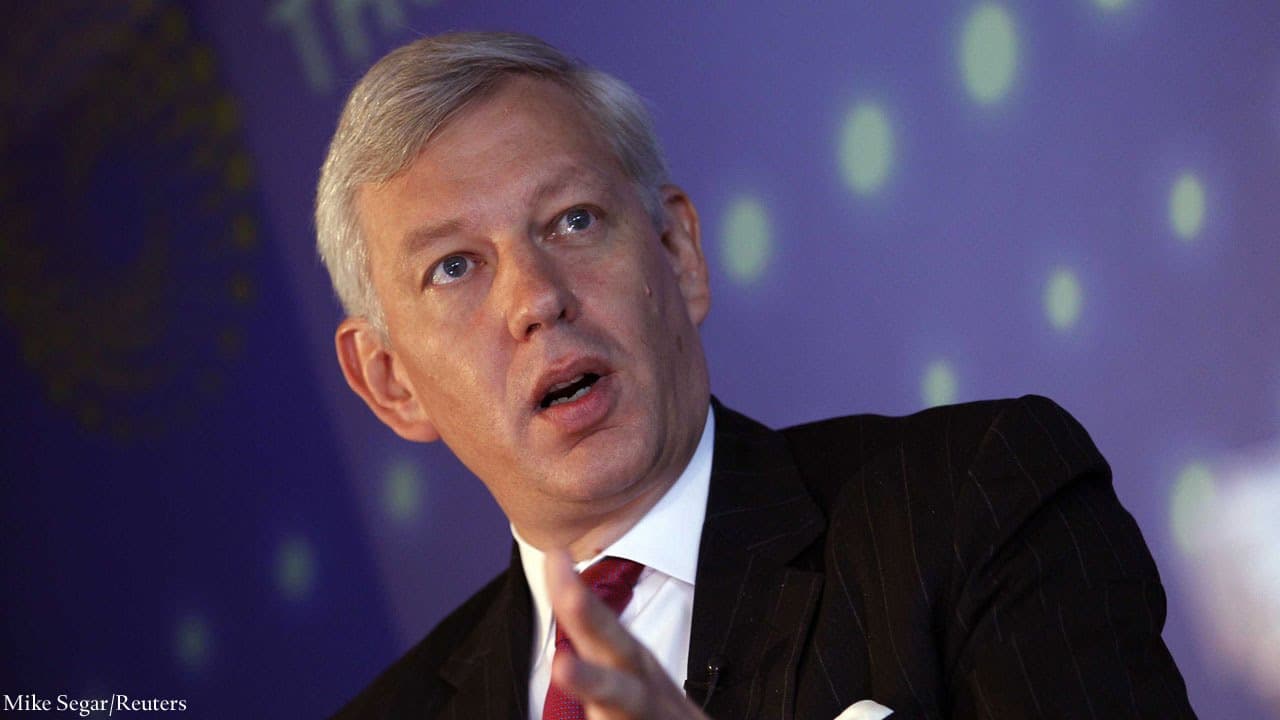
A Conversation With Dominic Barton
TL;DR
Dominic Barton discusses business roles in global conflict zones.
Transcript
GALLAGHER: Good morning, everyone. Thanks for coming out on this blustery day. I�m Leigh Gallagher, assistant managing editor of Fortune Magazine, and it�s a pleasure to be here today�not only because Dom is the only person in business with whom I can wear these high heels. (Laughs, laughter.) Anyway, we�re here today for the Council on Foreign Rel... Read More
Key Insights
- Dominic Barton emphasizes the importance of collaboration between business, government, and NGOs to enhance human security in conflict zones, highlighting the increasing demand for business involvement in these areas.
- Barton notes the rise in global conflict zones, with a significant increase in migrant populations, urging business leaders to recognize the impact on global operations and the necessity for proactive engagement.
- The conversation highlights McKinsey's involvement in post-conflict reconstruction, emphasizing the role of economic development and job creation in stabilizing regions and preventing further conflicts.
- Barton discusses the potential of technology and infrastructure development in conflict zones, suggesting that investments in these areas can facilitate economic growth and stability.
- The discussion points to the need for coordinated efforts between large corporations and local entrepreneurs to foster economic development in unstable regions.
- Barton stresses the importance of early planning and integration of private sector strategies in military and government post-conflict plans to ensure sustainable development.
- The refugee crisis is addressed, with Barton highlighting McKinsey's role in assisting governments to manage migrant flows and improve refugee camp conditions through efficient operations.
- Barton underscores the potential of emerging markets, despite current global economic challenges, suggesting that strategic investments can yield significant opportunities for growth.
Install to Summarize YouTube Videos and Get Transcripts
Explore YouTube Video Summarizer or Get YouTube Transcript Extractor
Questions & Answers
Q: Why is human security an increasing focus for McKinsey?
Human security has become a prominent issue due to the rise in global conflict zones and the significant number of migrants. Business leaders cannot ignore these issues as they affect global operations. McKinsey sees a role for business in stabilizing these areas and preventing further conflicts.
Q: How can businesses contribute to stability in conflict zones?
Businesses can contribute by creating jobs and investing in infrastructure, which are critical for stability. Large corporations can work with local entrepreneurs to develop viable economic opportunities. This collaboration can help prevent future conflicts and support post-conflict reconstruction.
Q: What is the role of technology in conflict zones?
Technology can facilitate economic growth and stability in conflict zones by enabling market access and financial inclusion. For example, mobile banking and digital platforms can empower local entrepreneurs and small businesses, helping them participate in the global economy and improve their livelihoods.
Q: What challenges do businesses face in conflict zones?
Businesses face numerous challenges, including security risks, regulatory hurdles, and logistical issues. Corruption and lack of infrastructure can also impede operations. Overcoming these challenges requires coordinated efforts between businesses, governments, and NGOs to create a conducive environment for investment.
Q: How does McKinsey assist with the refugee crisis?
McKinsey helps governments manage migrant flows and improve refugee camp operations by optimizing processes and enhancing efficiency. The firm also collaborates with NGOs to predict future migrant trends and develop strategies to address the root causes of migration, such as lack of jobs and opportunities.
Q: What opportunities exist in emerging markets despite global challenges?
Despite challenges like commodity price fluctuations and currency volatility, emerging markets such as Indonesia, India, and Nigeria offer significant opportunities due to their young populations and growing consumer bases. Strategic investments in these regions can yield substantial returns for businesses.
Q: How can businesses prepare for post-conflict reconstruction?
Businesses should be included in military and government planning for post-conflict scenarios to ensure economic development and job creation. Early integration of private sector strategies can help stabilize regions and prevent future conflicts by fostering sustainable growth and development.
Q: What is the impact of climate change on conflict zones?
Climate change exacerbates conflicts by causing resource scarcity and displacement. For instance, droughts can lead to migration and increased competition for resources, triggering conflicts. Addressing climate-related challenges is crucial for achieving long-term stability in conflict-prone regions.
Summary & Key Takeaways
-
Dominic Barton discusses the critical role of businesses in improving human security in global conflict zones, emphasizing collaboration with governments and NGOs. He highlights the increasing number of conflict zones and the need for economic development to stabilize these areas.
-
Barton outlines McKinsey's involvement in post-conflict reconstruction, stressing the importance of job creation and infrastructure development. He advocates for the integration of business strategies in military planning to ensure sustainable development.
-
The conversation covers the refugee crisis, with Barton detailing McKinsey's efforts to assist governments in managing migrant flows and improving refugee camp operations. He also touches on the potential opportunities in emerging markets despite global economic challenges.
Read in Other Languages (beta)
Share This Summary 📚
Summarize YouTube Videos and Get Video Transcripts with 1-Click
Try YouTube Summary with ChatGPT & Claude or YouTube Transcript Generator
Explore More Summaries from Council on Foreign Relations 📚

Summarize YouTube Videos and Get Video Transcripts with 1-Click
Try YouTube Summary with ChatGPT & Claude or YouTube Transcript Generator