Obama on why income inequality has skyrocketed
TL;DR
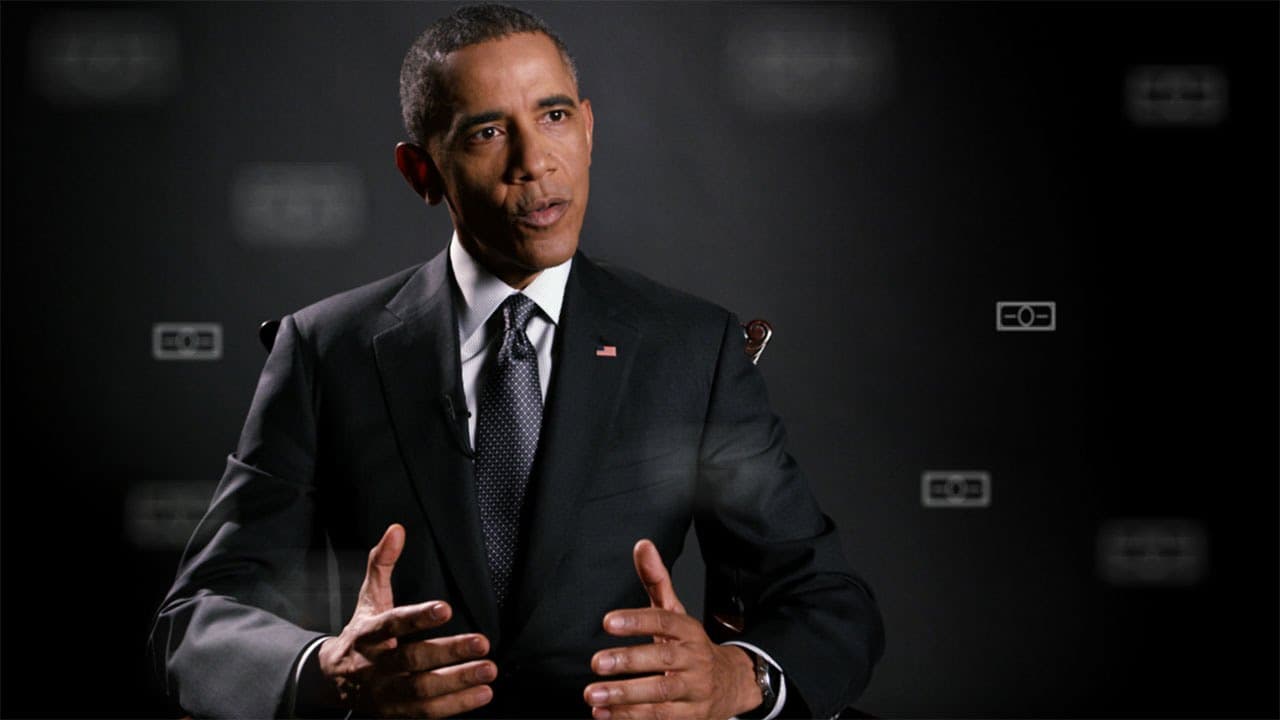
Obama discusses reasons behind rising income inequality.
Transcript
Ezra Klein: How have we gotten to a point where we can have high corporate profits, and businesses can be doing so well, but the workers don't necessarily share in that prosperity? Barack Obama: Well this has been at least a 3-decade long trend. Now there are a whole bunch of reasons for that. Some of that has to do with technology and entire secto... Read More
Key Insights
- Obama identifies technology and globalization as key factors contributing to income inequality, noting how entire job sectors have been eliminated.
- Post-World War II, the U.S. had significant structural advantages due to investments in education and infrastructure, which have since diminished.
- Changes in labor laws have reduced worker leverage, putting them in a tougher position compared to previous decades.
- Obama highlights the importance of investing in the common good, such as infrastructure and public education, to ensure national progress.
- Redistribution has historically been a part of economic policy, with taxes now being less progressive compared to the mid-20th century.
- The decline of unions and a shift in corporate culture have led to a decrease in wages and benefits for workers.
- Short-term profit demands and CEO compensation tied to quarterly earnings have shifted focus away from long-term community investment.
- Distributional issues previously managed by the market, like decent wages and pensions, are now less prevalent, affecting worker benefits.
Install to Summarize YouTube Videos and Get Transcripts
Explore YouTube Video Summarizer or Get YouTube Transcript Extractor
Questions & Answers
Q: What factors does Obama attribute to rising income inequality?
Obama attributes rising income inequality to several factors, including advancements in technology that have eliminated entire job sectors, and globalization, which has increased competition as other nations catch up economically. Additionally, changes in labor laws have reduced worker leverage, making it harder for them to share in corporate prosperity.
Q: How did post-World War II advantages affect the U.S. economy?
Post-World War II, the United States benefited from significant structural advantages due to investments in education and infrastructure, as well as the devastation of its competitors. These advantages allowed the U.S. to lead economically, but over time, as other countries recovered and invested similarly, these advantages diminished, affecting economic dynamics.
Q: What role does redistribution play in economic policy according to Obama?
Obama argues that redistribution has always been a part of economic policy. He notes that historically, taxes were more progressive, and redistribution helped ensure investments in the common good, such as infrastructure and education, which are critical for national prosperity. He believes these investments are necessary for collective progress.
Q: How have changes in corporate culture impacted workers?
Changes in corporate culture, such as the focus on quarterly earnings and CEO compensation tied to short-term profits, have shifted priorities away from long-term community investment. This shift has reduced the focus on providing decent wages and benefits for workers, contributing to the current economic disparity and affecting workers' financial well-being.
Q: Why does Obama believe investing in public goods is important?
Obama believes investing in public goods is essential for collective progress and national prosperity. He argues that certain things, like infrastructure, education, and basic research, are better achieved collectively rather than individually. These investments are crucial for maintaining a competitive edge and ensuring broad-based economic benefits.
Q: What has happened to worker leverage over the years?
Worker leverage has decreased over the years due to changes in labor laws and the decline of unions. This reduction in leverage has made it more difficult for workers to negotiate for better wages and benefits, contributing to the growing income inequality and making it harder for them to share in the prosperity of successful corporations.
Q: How did unions and corporate culture previously support workers?
In the past, stronger unions and a corporate culture that valued community investment helped ensure that workers received higher wages and benefits. Companies felt a sense of responsibility to reinvest in their communities and treat employees fairly. This culture supported a more equitable distribution of economic gains, which has since eroded.
Q: What are the consequences of focusing on short-term profits?
Focusing on short-term profits has led to a decline in long-term community investment and a shift away from providing workers with decent wages and benefits. This focus has contributed to economic disparity, as companies prioritize immediate financial returns over sustainable growth and equitable distribution of wealth, affecting workers' financial stability.
Summary & Key Takeaways
-
Obama discusses the long-term trend of rising income inequality, attributing it to technology, globalization, and reduced worker leverage due to changes in labor laws. He emphasizes the need for investments in public goods to ensure national progress.
-
The former president reflects on the structural advantages the U.S. had post-World War II, which have since diminished, leading to increased global competition and challenges for workers in maintaining leverage and benefits.
-
Obama suggests that redistribution has always been part of economic policy and stresses the importance of collective investments in infrastructure and education. He notes the shift in corporate culture and the decline of unions as factors in the current economic disparity.
Read in Other Languages (beta)
Share This Summary 📚
Summarize YouTube Videos and Get Video Transcripts with 1-Click
Try YouTube Summary with ChatGPT & Claude or YouTube Transcript Generator
Explore More Summaries from Vox 📚


Summarize YouTube Videos and Get Video Transcripts with 1-Click
Try YouTube Summary with ChatGPT & Claude or YouTube Transcript Generator