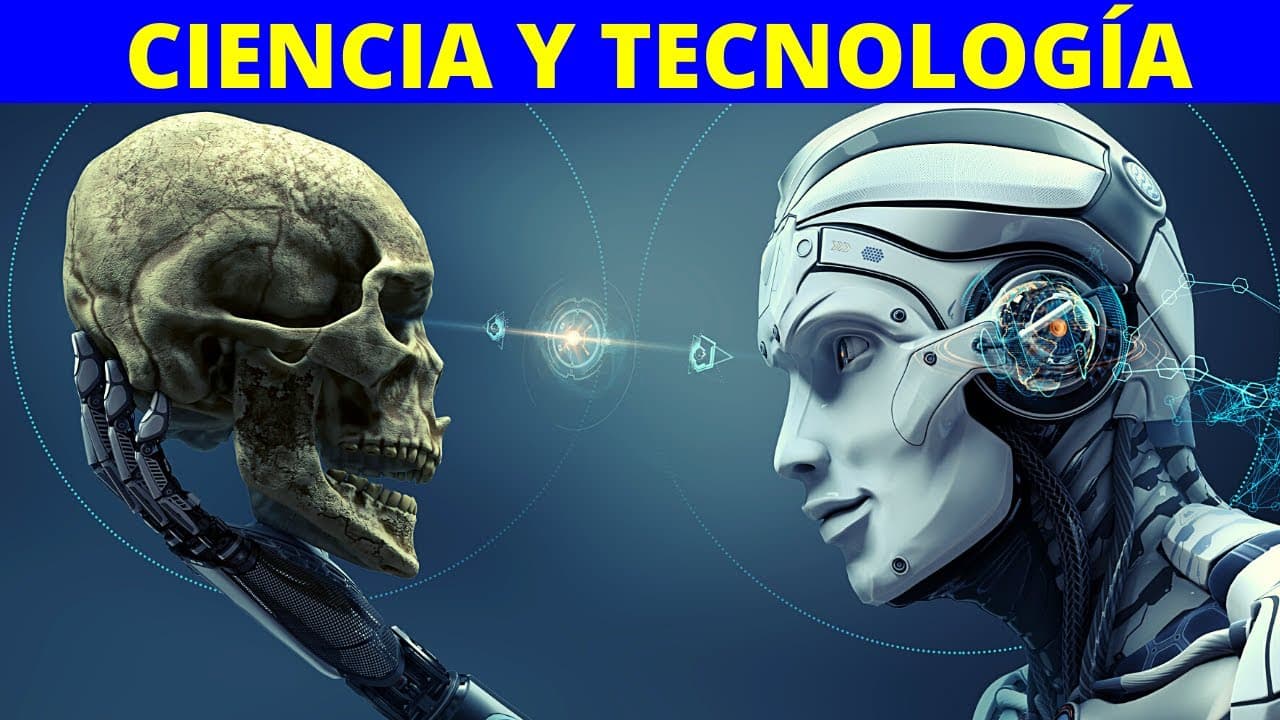
SCIENCE AND TECHNOLOGY: What are they and what are their DIFFERENCES? (with EXAMPLES)🔬
TL;DR
Science seeks knowledge; technology applies it practically.
Transcript
Science and technology are concepts that are often confused and, although they are closely related, they actually have to do with completely different things. Sciences are often blamed for damage or problems caused by certain technologies, such as those related to fossil fuels or nuclear technology. In short, we can define science as the systematic... Read More
Key Insights
- Science is the systematic pursuit of knowledge about the universe through observation and experimentation, while technology applies this knowledge practically.
- The scientific method is central to science, involving hypothesis testing and experimentation, which ensures theories can be repeatedly tested and refined.
- Branches of science include formal sciences (mathematics), natural sciences (biology, physics), and human sciences (philosophy, history).
- The objective of science is to understand natural phenomena, while technology aims to apply scientific advances for practical solutions.
- Technological development often involves trial and error, leading to continuous improvements or breakthroughs in various fields.
- Technology branches include aerospace, computing, engineering, and biotechnology, each solving different societal problems.
- Technological advancements have been pivotal in shaping modern civilization, from the Industrial Revolution to the current digital age.
- Ethical considerations in both science and technology are crucial, as advancements can significantly impact human life and the environment.
Install to Summarize YouTube Videos and Get Transcripts
Explore YouTube Video Summarizer or Get YouTube Transcript Extractor
Questions & Answers
Q: What is the primary objective of science?
The primary objective of science is to understand the physical and natural processes and phenomena of the universe. This involves systematically studying these phenomena through observation and experimentation, with the goal of gaining knowledge. Science seeks to develop theories and explanations that help explain how the universe operates, contributing to our understanding of the world.
Q: How does technology differ from science in terms of objectives?
Technology differs from science in that its objective is to achieve practical applications of scientific advances. While science focuses on understanding, technology aims to use this understanding to develop tools, techniques, and solutions that make life easier, solve problems, or even pose threats, such as in the case of war technologies. Technology seeks to apply scientific knowledge in various fields for practical benefits.
Q: What method is central to scientific inquiry?
The scientific method is central to scientific inquiry. It involves observing phenomena, developing hypotheses or predictions, and testing these through experiments that can be replicated. Based on the results, explanations are proposed. This method ensures that scientific theories can be repeatedly tested and refined, allowing for continuous advancement in scientific knowledge.
Q: What are some branches of science mentioned in the content?
The content mentions several branches of science, including formal sciences like mathematics and computer science, natural sciences such as biology, physics, and chemistry, and human sciences like philosophy, history, and psychology. Each branch focuses on different aspects of knowledge, employing various methodologies to explore and understand the universe and human existence.
Q: How has technology impacted modern civilization?
Technology has had a profound impact on modern civilization, transforming societies from the Industrial Revolution to the current digital age. Technological advancements have revolutionized industries, communication, transportation, and healthcare, among others. These changes have improved quality of life, increased efficiency, and created new opportunities, but also pose challenges, such as ethical concerns and environmental impacts.
Q: What ethical considerations are associated with scientific and technological advancements?
Ethical considerations associated with scientific and technological advancements include the potential impacts on human life and the environment. As these fields advance, they can significantly alter our lives, raising questions about the ethical implications of certain research or technologies. For instance, genetic engineering, nuclear technology, and artificial intelligence pose ethical dilemmas that require careful consideration to ensure responsible use.
Q: Can you provide examples of technological advancements in biology?
Examples of technological advancements in biology include the development of vaccines, medical treatments, and agricultural technologies. Advances in genetic engineering have led to transgenic seeds and new treatments for genetic diseases. Biotechnology has also improved livestock and crop production, enhancing food security. These technologies illustrate how scientific knowledge is applied to solve practical problems in biology.
Q: What role does trial and error play in technological development?
Trial and error play a significant role in technological development. This process involves experimenting with different methods and techniques to improve product quality or achieve breakthroughs. Through trial and error, technologies are refined and optimized, leading to continuous improvements. This iterative approach is crucial in developing innovative solutions and advancing technology in various fields.
Summary & Key Takeaways
-
Science and technology, although closely related, serve different purposes: science seeks to understand the universe, while technology applies this understanding practically. Science uses the scientific method, involving hypothesis testing, to gain knowledge. Technology, on the other hand, uses various methods, including trial and error, to develop practical applications.
-
Science is divided into formal, natural, and human sciences, each with distinct objectives and methodologies. Technology spans multiple branches, such as aerospace and biotechnology, each aiming to solve specific problems. Both fields have evolved significantly, with technology often drawing from scientific discoveries to create practical solutions.
-
The relationship between science and technology has led to significant societal transformations, from the Industrial Revolution to today's digital age. However, ethical considerations are vital, as both fields can profoundly impact human life and the planet. Alternative technologies are being explored to address environmental and ethical concerns.
Read in Other Languages (beta)
Share This Summary 📚
Summarize YouTube Videos and Get Video Transcripts with 1-Click
Try YouTube Summary with ChatGPT & Claude or YouTube Transcript Generator
Explore More Summaries from Lifeder Edu 📚



Summarize YouTube Videos and Get Video Transcripts with 1-Click
Try YouTube Summary with ChatGPT & Claude or YouTube Transcript Generator