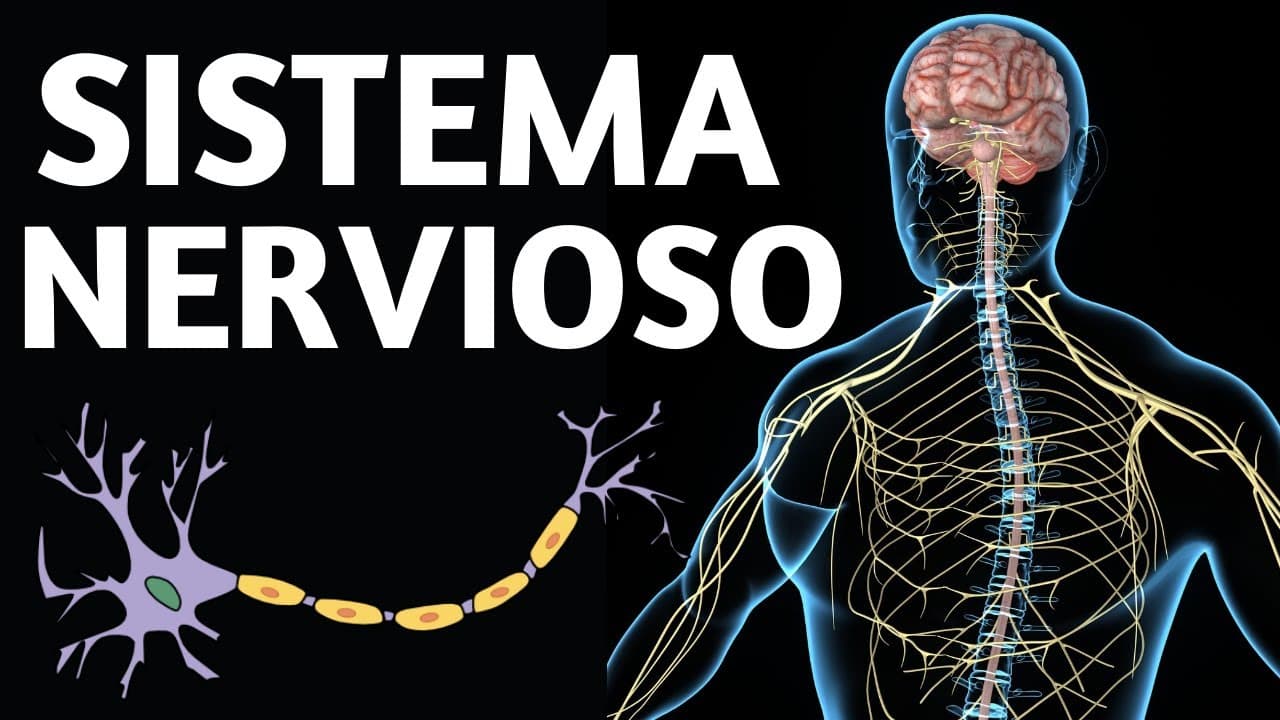
The human NERVOUS SYSTEM explained: how it works and its parts🧠
TL;DR
The human nervous system consists of central and peripheral systems.
Transcript
The human nervous system controls and regulates most of the functions of the body, from the capture of stimuli through the sensory receptors to the motor actions that are carried out to give a response, through the involuntary regulation of the internal organs. As you can see here, in humans the nervous system is made up of two main parts: the cent... Read More
Key Insights
- The human nervous system is divided into two main parts: the central nervous system, which includes the brain and spinal cord, and the peripheral nervous system, which connects the central system to the rest of the body.
- Neurons are the fundamental cells of the nervous system, responsible for transmitting signals. They form circuits and networks that influence perception and behavior.
- The peripheral nervous system is divided into the autonomic and somatic systems. The autonomic system regulates involuntary functions, while the somatic system controls voluntary movements.
- The autonomic nervous system is further divided into the sympathetic and parasympathetic systems, which manage the body's responses to stimuli and maintain internal balance, respectively.
- The brain, part of the central nervous system, consists of multiple structures including the cerebral cortex, basal ganglia, limbic system, diencephalon, brainstem, and cerebellum, each with distinct functions.
- The cerebral cortex is divided into four lobes: frontal, parietal, temporal, and occipital, each responsible for different cognitive functions.
- The spinal cord serves as a conduit for signals between the brain and the peripheral nervous system and can initiate reflexive actions independently of the brain.
- Glial cells, alongside neurons, provide crucial structural and metabolic support within the nervous system.
Install to Summarize YouTube Videos and Get Transcripts
Explore YouTube Video Summarizer or Get YouTube Transcript Extractor
Questions & Answers
Q: What are the two main parts of the human nervous system?
The human nervous system is divided into two main parts: the central nervous system and the peripheral nervous system. The central nervous system consists of the brain and spinal cord, while the peripheral nervous system comprises nerves that connect the central system to other body parts.
Q: What roles do neurons play in the nervous system?
Neurons are essential cells in the nervous system, responsible for transmitting signals. They have special structures that enable them to send signals quickly and accurately, forming circuits and networks that influence perception and behavior. Neurons work alongside glial cells, which provide structural and metabolic support.
Q: How is the peripheral nervous system structured?
The peripheral nervous system is divided into the autonomic and somatic systems. The autonomic system manages involuntary functions and is further divided into the sympathetic and parasympathetic systems. The somatic system controls voluntary movements and includes afferent nerves for sensation and efferent nerves for muscle commands.
Q: What is the function of the autonomic nervous system?
The autonomic nervous system regulates involuntary functions and is divided into the sympathetic and parasympathetic systems. The sympathetic system prepares the body for action in response to stimuli, while the parasympathetic system maintains internal balance by adjusting activation levels as needed.
Q: What are the main structures of the brain?
The brain comprises several structures, including the cerebral cortex, basal ganglia, limbic system, diencephalon, brainstem, and cerebellum. Each structure has specific functions, such as controlling voluntary movements, processing emotions, coordinating sensory information, and maintaining balance.
Q: How is the cerebral cortex organized?
The cerebral cortex is anatomically divided into four lobes: frontal, parietal, temporal, and occipital. It is further divided into two hemispheres, right and left, with each lobe present symmetrically in both hemispheres. The lobes are separated by different sulci and perform distinct cognitive functions.
Q: What is the role of the spinal cord in the nervous system?
The spinal cord connects the central nervous system with the peripheral system. It carries motor commands from the brain to the body's nerves and can initiate reflexive responses to certain stimuli, such as pain, without involving the brain. This allows for quick reactions to potentially harmful situations.
Q: What is the significance of glial cells in the nervous system?
Glial cells, or glia, are crucial for the nervous system's function, providing structural and metabolic support to neurons. They help maintain homeostasis, form myelin, and participate in signal transmission in the nervous system. Glial cells are essential for the overall health and functionality of neural circuits.
Summary & Key Takeaways
-
The human nervous system is composed of the central and peripheral systems. The central system includes the brain and spinal cord, while the peripheral system connects these to the rest of the body through nerves.
-
Neurons are the primary cells within the nervous system, forming circuits that affect perception and behavior. The peripheral system is divided into autonomic and somatic systems, managing involuntary and voluntary actions respectively.
-
The central nervous system's brain is made up of several structures, each with specific roles. The spinal cord connects the brain to the peripheral system, facilitating communication and reflexive actions.
Read in Other Languages (beta)
Share This Summary 📚
Summarize YouTube Videos and Get Video Transcripts with 1-Click
Try YouTube Summary with ChatGPT & Claude or YouTube Transcript Generator
Explore More Summaries from Lifeder Edu 📚



Summarize YouTube Videos and Get Video Transcripts with 1-Click
Try YouTube Summary with ChatGPT & Claude or YouTube Transcript Generator