What Does Neil Gaiman Say About His Writing Process?
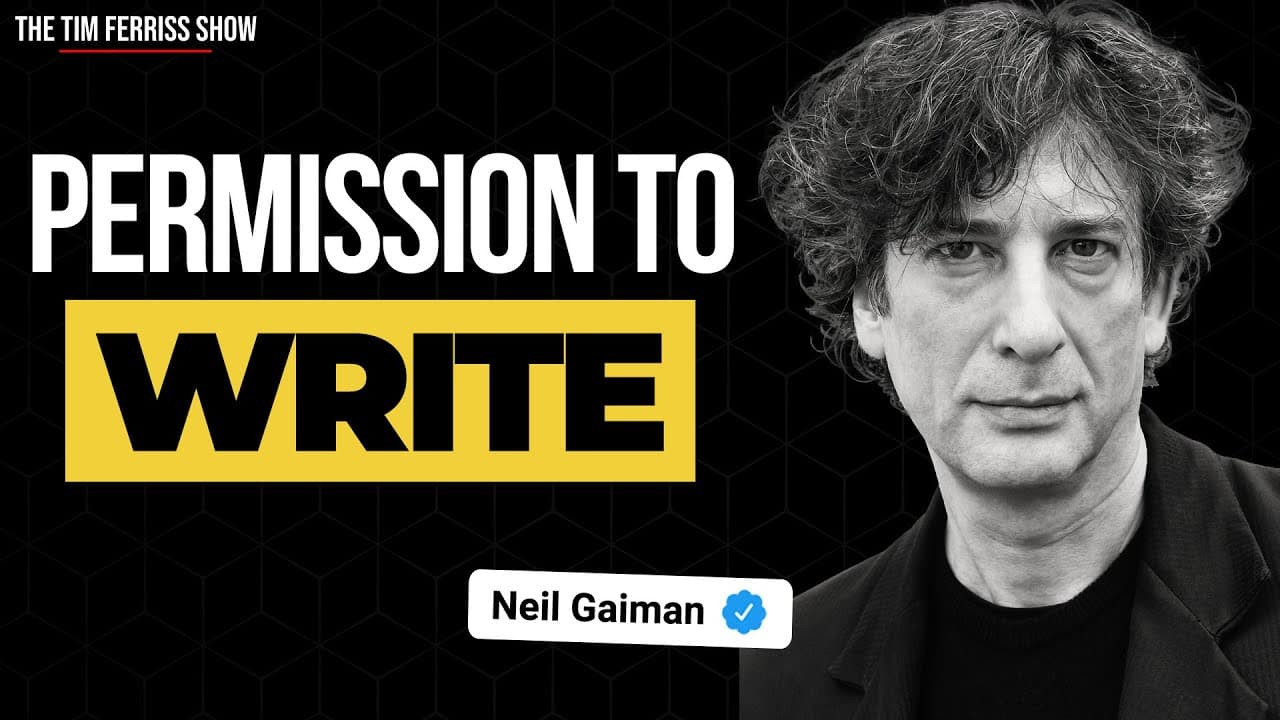
TL;DR
Neil Gaiman emphasizes the importance of a distraction-free writing environment and his preference for using fountain pens to create a tactile experience. He discusses the need for self-imposed rules to enhance his productivity and how he trivializes the act of writing to overcome pressure. Gaiman also shares insights on the genesis of 'The Graveyard Book,' influenced by his experiences with his son.
Transcript
Neil welcome to the show thank you thank you so much I have been hoping to have this conversation for years and with I flashback for you know 10 15 20 plus years I've been reading your work I can't say that about many people I've ever met and I mean you've been asking me incredibly politely um if I could do the podcasts or anything vaguely you know... Read More
Key Insights
- 🖋️ Neil Gaiman values the process of writing and finds joy in using fountain pens and creating a tranquil environment free from distractions.
- 🥶 Gaiman is willing to adapt his writing routine and practices as he has grown older, recognizing that what works for him may change over time.
- 🤗 Collaboration with Terry Pratchett taught Gaiman the importance of being open to ideas and writing without knowing where the story will lead.
Install to Summarize YouTube Videos and Get Transcripts
Explore YouTube Video Summarizer or Get YouTube Transcript Extractor
Questions & Answers
Q: What is Neil Gaiman's opinion on writing in notebooks versus typing on a computer?
Gaiman prefers to write his first drafts in fountain pen in notebooks, as he enjoys the tactile experience and finds it more immersive. He then types out the second draft on a computer to refine the work.
Q: How does Neil Gaiman handle distractions while writing?
Gaiman sets specific rules for himself, allowing him either to write or do nothing at his desk. By eliminating distractions and making writing the only permissible activity, he minimizes the risk of getting sidetracked.
Q: What is Neil Gaiman's advice for overcoming the fear of a blank page?
Gaiman emphasizes the importance of recognizing that anything you write can be fixed but a blank page cannot. He encourages writers to embrace the imperfection of the first draft and remember that it is only the beginning of the creative process.
Q: How did the collaboration between Neil Gaiman and Terry Pratchett on Good Omens come about?
Gaiman and Pratchett became friends and decided to work on a novel together after discussing their shared appreciation for occult books. They co-wrote Good Omens, with Gaiman taking the lead in the writing process.
Key Insights:
- Neil Gaiman values the process of writing and finds joy in using fountain pens and creating a tranquil environment free from distractions.
- Gaiman is willing to adapt his writing routine and practices as he has grown older, recognizing that what works for him may change over time.
- Collaboration with Terry Pratchett taught Gaiman the importance of being open to ideas and writing without knowing where the story will lead.
- The TV adaptation of Good Omens is a tribute to Pratchett's legacy, and Gaiman felt a responsibility to honor his friend's vision.
Summary & Key Takeaways
-
Neil Gaiman recalls his early days as a writer, including creating a magazine as a teenager to interview his favorite authors and artists.
-
He shares his love for fountain pens and the importance of having a distraction-free environment to write.
-
Gaiman discusses his process of writing, including creating rules for himself and trivializing the task at hand.
-
He recounts the genesis of the book "The Graveyard Book" and how it was influenced by his experiences with his son and reading Marlowe's "The Jew of Malta."
Read in Other Languages (beta)
Share This Summary 📚
Summarize YouTube Videos and Get Video Transcripts with 1-Click
Try YouTube Summary with ChatGPT & Claude or YouTube Transcript Generator
Explore More Summaries from Tim Ferriss 📚


Summarize YouTube Videos and Get Video Transcripts with 1-Click
Try YouTube Summary with ChatGPT & Claude or YouTube Transcript Generator