How Constant Worry Affects Us and Ways to Manage It | Mel Robbins
TL;DR
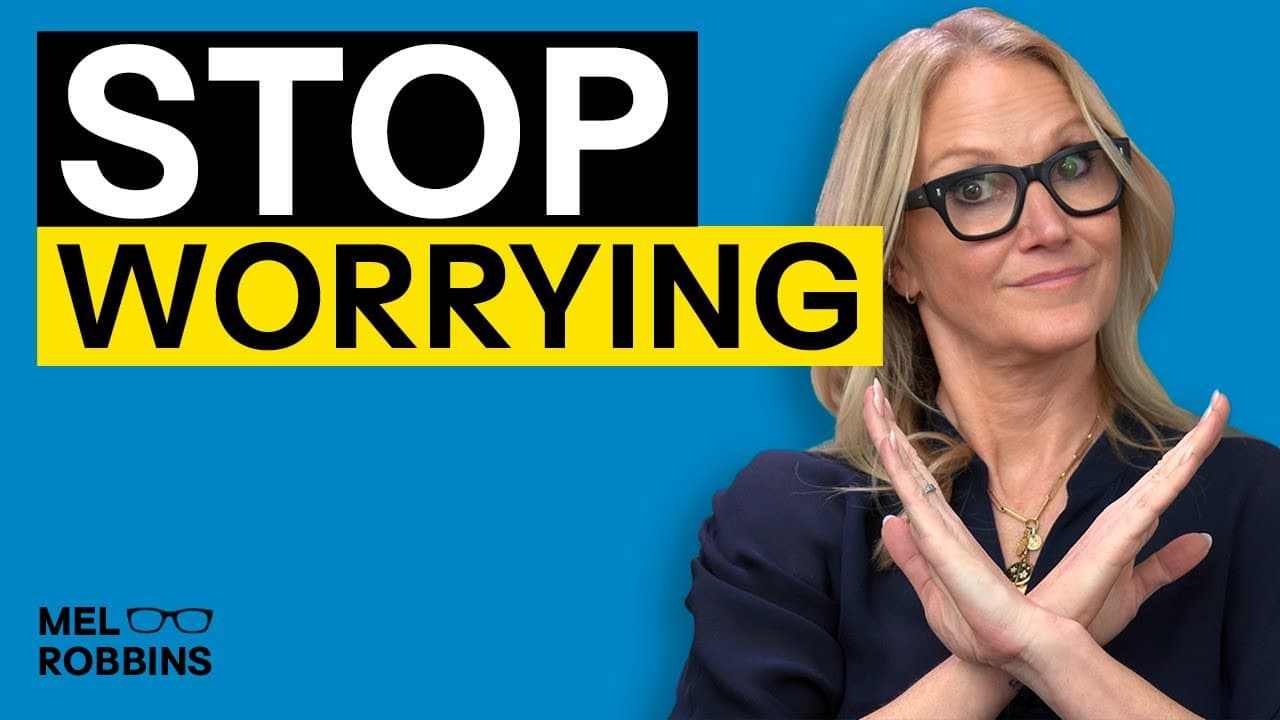
The six-word phrase "What if it all works out" is a powerful tool to combat worry and improve one's relationship with themselves, allowing for a shift in mindset and an opening to new possibilities.
Transcript
it's your friend Mel and you and I are sitting here and I was just confessing to you that I did a whole worry spiral this morning and I'm teaching you one of my favorite tools the six sentence word what if it all works out we need to know that it is painful to stand there and be terrified that you're going to uh not be able to say goodbye to somebo... Read More
Key Insights
- ✋ The high-five habit is an effective tool for improving one's relationship with themselves and combating worry and anxiety.
- 🥰 Self-love and acceptance are actions that need to be practiced rather than just felt.
- 🥹 The habit offers a scientifically-backed way to rewire the brain's neural pathways and release dopamine, promoting happiness and self-esteem.
- 💭 It is crucial to recognize and challenge negative thoughts and replace them with positive and empowering beliefs.
Install to Summarize YouTube Videos and Get Transcripts
Explore YouTube Video Summarizer or Get YouTube Transcript Extractor
Questions & Answers
Q: How can the high-five habit help improve one's relationship with themselves?
The high-five habit allows individuals to visually and physically demonstrate self-love and acceptance. Through the habit, we reprogram our brains to focus on positive actions and thoughts, fostering a more nurturing relationship with ourselves.
Q: Can the high-five habit reduce worry and anxiety?
Yes, the high-five habit serves as a positive intervention for worry and anxiety. By choosing to focus on the possibility of things working out, individuals can lessen the anticipatory pain associated with worry and instead maintain a present and positive mindset.
Q: How does the high-five habit impact cognitive functioning and decision-making?
The high-five habit, backed by research in neuroscience, promotes executive function, which includes problem-solving, decision-making, and clear thinking. By engaging in this positive self-encouragement, we activate our prefrontal cortex, enhancing cognitive abilities.
Q: Why is the high-five habit significant in building resilience and combating negative thoughts?
The high-five habit teaches individuals to intervene with logic in moments of negative self-talk and criticism. It empowers individuals to question their thoughts and replace them with more positive and optimistic ones, fostering resilience and self-compassion.
Summary & Key Takeaways
-
The high-five habit involves looking in the mirror, high-fiving yourself, and saying, "What if it all works out?" as part of your morning routine.
-
Research shows that moments of self-encouragement and physical actions, like high-fives, create positive neuropathways and release dopamine.
-
The habit helps improve self-acceptance, resilience, happiness, and overall well-being.
-
By practicing the high-five habit, individuals can combat worry, develop self-love, and maintain a positive outlook on life.
Read in Other Languages (beta)
Share This Summary 📚
Summarize YouTube Videos and Get Video Transcripts with 1-Click
Try YouTube Summary with ChatGPT & Claude or YouTube Transcript Generator
Explore More Summaries from Mel Robbins 📚




Summarize YouTube Videos and Get Video Transcripts with 1-Click
Try YouTube Summary with ChatGPT & Claude or YouTube Transcript Generator