What Defines a Museum and Its Evolution?
TL;DR
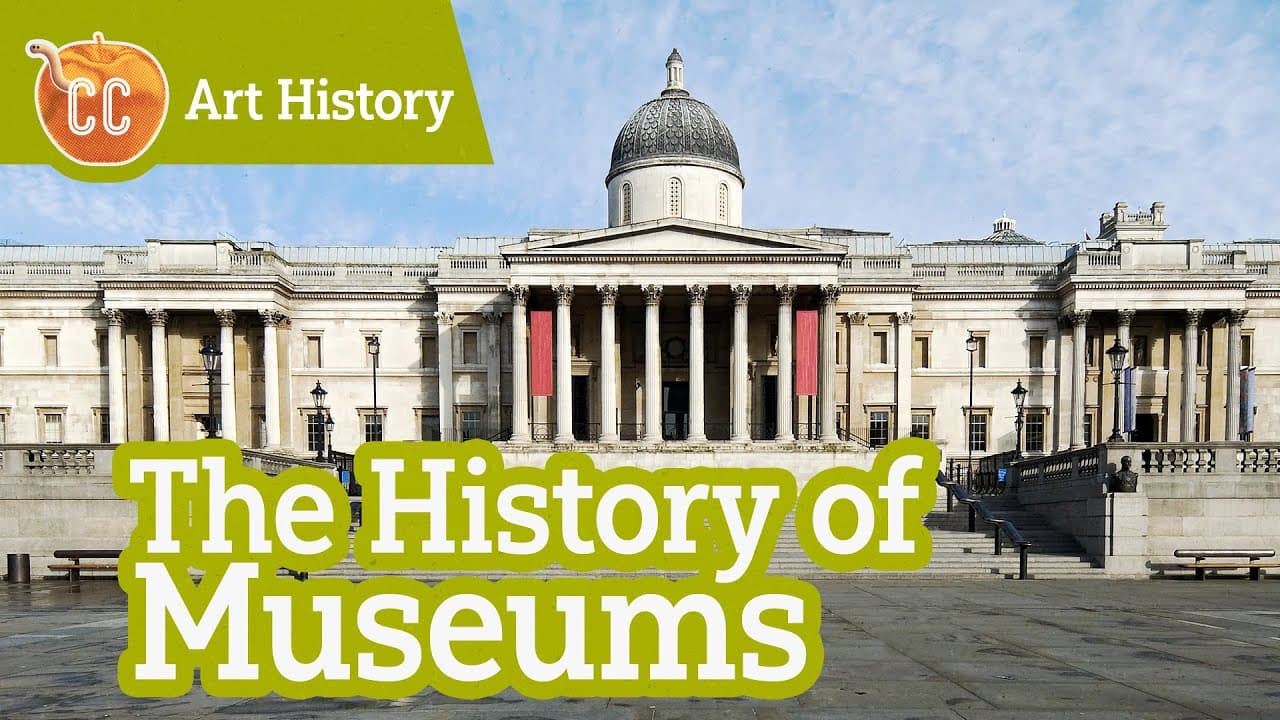
Museums are more than just collections of objects; they are spaces where art and artifacts are preserved, categorized, and displayed to educate the public. Historically, museums have evolved from private collections and have been influenced by colonialism, leading to ongoing debates about repatriation and representation. Modern museums are working to address these legacies by diversifying staff and rethinking how art is displayed.
Transcript
Can a bird curate a museum? Let me explain. Male bowerbirds work their tail feathers off to attract mates. These birds sing, they dance — and most impressively, they build what ornithologists call “display courts,” where they show off the objects they collect: shells, bones, the keys you lost last year. And these displays aren’t random: the ob... Read More
Key Insights
- Museums are spaces that preserve and display art and artifacts with the intention of educating the public.
- The concept of museums has evolved from private collections and cabinets of curiosities.
- Colonialism has influenced the collections of many museums, resulting in calls for repatriation of stolen artifacts.
- Museums have faced criticism for insensitive and misleading displays of certain artworks.
- Decolonizing museums involves acknowledging colonial influences and diversifying museum staff.
- Institutional Critique is a form of art that questions the practices and biases of museums.
- Museums are working to increase accessibility and provide a more community-focused experience.
- The evolution of museums continues as they address complex legacies and strive for more nuanced representations of history.
Install to Summarize YouTube Videos and Get Transcripts
Explore YouTube Video Summarizer or Get YouTube Transcript Extractor
Questions & Answers
Q: What defines a modern museum?
A modern museum is defined as a publicly accessible space with professional staff that preserves, categorizes, and displays objects of historical and cultural importance. These institutions aim to educate the public by arranging artworks thematically or by time period, culture, or geography to convey meaningful narratives.
Q: How did museums evolve from private collections?
Museums evolved from private collections known as 'cabinets of curiosities,' which were assembled by wealthy nobles and merchants to showcase their travels and advance knowledge. These collections often included strange and wondrous items and were organized in ways similar to modern museums, such as by geography or chronology.
Q: Why is repatriation important for museums?
Repatriation is important for museums because it involves returning stolen or forcibly acquired artifacts to their countries or cultures of origin. This process addresses the colonial legacies of museums, acknowledges past injustices, and aims to restore cultural heritage to the communities from which it was taken.
Q: What is Institutional Critique in the context of museums?
Institutional Critique is a form of art that challenges and questions the practices, biases, and power dynamics within museums. Artists use this approach to highlight issues such as gender representation, colonial legacies, and the exclusion of marginalized voices, often prompting museums to reevaluate and reform their practices.
Q: How are museums addressing their colonial legacies?
Museums are addressing their colonial legacies by engaging in repatriation efforts, diversifying their staff, and recontextualizing collections to provide more accurate representations of history. These efforts aim to decolonize museums by acknowledging and freeing themselves from colonial influences and biases.
Q: What role do museums play in society today?
Museums play a significant role in society by preserving cultural heritage, educating the public, and fostering understanding of global history. They provide spaces for reflection, dialogue, and learning, and are increasingly focused on addressing past injustices to offer more inclusive and community-focused experiences.
Q: How has the representation of diverse voices in museums changed?
The representation of diverse voices in museums has seen moderate improvement, with increases in the number of people of color in curatorial and leadership roles. However, the representation still falls short of reflecting actual demographics, highlighting the need for continued efforts to diversify museum staff and perspectives.
Q: What challenges do museums face in evolving their practices?
Museums face challenges such as confronting their colonial past, diversifying staff, and adapting to changing societal expectations. They must balance preserving cultural heritage with addressing historical injustices, and work to provide more inclusive, accurate, and community-focused narratives in their exhibitions and programs.
Summary & Key Takeaways
-
Museums are institutions that preserve and display art and artifacts to educate the public. They have evolved from private collections and cabinets of curiosities, and have been influenced by colonialism, leading to debates about repatriation and representation.
-
Criticism of museums has highlighted issues such as insensitive displays and lack of diversity among staff. Efforts to decolonize museums involve acknowledging colonial influences, repatriating artifacts, and diversifying staff to better reflect society's demographics.
-
Institutional Critique, a form of art questioning museum practices, has gained prominence. Museums are increasingly focused on providing community-focused experiences and addressing their complex legacies to offer more nuanced views of history.
Read in Other Languages (beta)
Share This Summary 📚
Summarize YouTube Videos and Get Video Transcripts with 1-Click
Try YouTube Summary with ChatGPT & Claude or YouTube Transcript Generator
Explore More Summaries from CrashCourse 📚




Summarize YouTube Videos and Get Video Transcripts with 1-Click
Try YouTube Summary with ChatGPT & Claude or YouTube Transcript Generator