Making Classrooms More Inclusive for Multilingual Learners
TL;DR
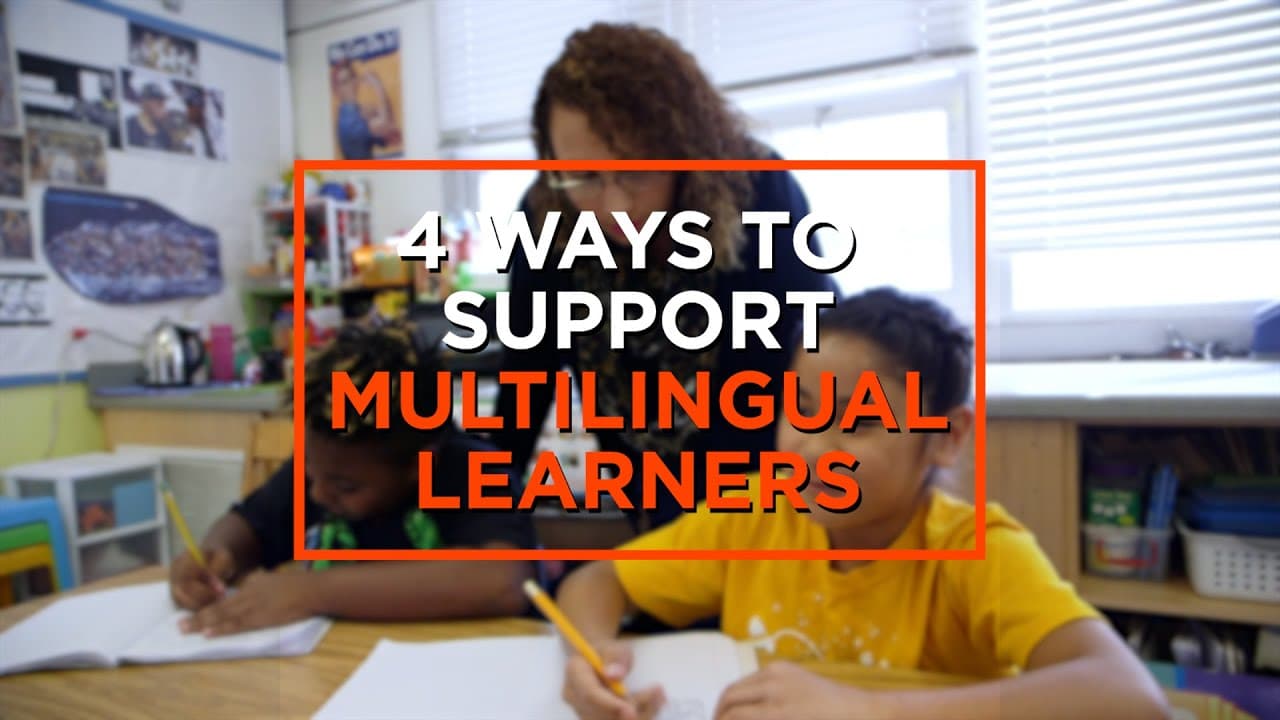
Tips for teachers to support multilingual learners in the classroom by celebrating their first language and incorporating engaging activities.
Transcript
Many students in the United States speak two or more languages. Welcoming the whole child including their linguistic, and cultural practices sends a powerful, message of inclusion to all students in the classroom. As we help students learn English we should aim to celebrate and extend their first language not replace it. Here are a few ways to su... Read More
Key Insights
- 🧑🎓 Welcoming and including students' linguistic and cultural practices sends a powerful message of inclusion.
- 👪 Multilingual children are experts in their home language and should be given opportunities to use and celebrate it in the classroom.
- 👶 Engaging activities like singing songs and storytelling can help new language learners encode English more deeply.
- 👻 Layered questioning allows all students, regardless of their language proficiency, to contribute to classroom discussions.
Install to Summarize YouTube Videos and Get Transcripts
Explore YouTube Video Summarizer or Get YouTube Transcript Extractor
Questions & Answers
Q: How can teachers support multilingual learners in their classrooms?
Teachers can support multilingual learners by creating a welcoming atmosphere that celebrates their first language, providing space and time for them to use multiple languages, and pairing them with partners who speak the same home language to deepen fluency and build connections.
Q: What are some effective strategies for teaching English to new language learners?
Effective strategies for teaching English to new language learners include singing memorable songs together, pairing words with matching pictures or objects, asking students to tell stories and enlisting classmates to act them out. Research shows that acting out words and phrases helps improve recall of the language.
Q: How can teachers engage all students in classroom discussions, regardless of their stage of language development?
Teachers can use layered questioning, framing the same question in different ways based on students' proficiency levels. This can range from simple questions with gestures to yes/no questions, either/or questions, and open-ended questions that encourage intricate thinking. This allows all students to contribute to the classroom community.
Q: Why is it important to offer a wide variety of books that represent students and their experiences?
Offering books that represent students and their experiences is important because children are more likely to read, understand, and enjoy books that captivate them. By including characters that look, think, and speak like them, students can relate more and become more engaged readers.
Summary & Key Takeaways
-
Multilingual children should be given space and time to use multiple languages to express themselves and deepen fluency.
-
Singing songs, pairing words with pictures, and storytelling can help encode new language more deeply for English learners.
-
Layered questioning can be used to cater to students' proficiency levels, allowing everyone to contribute to the classroom community.
-
Offering a wide variety of books that represent students and their experiences can engage and support their growth as readers.
Read in Other Languages (beta)
Share This Summary 📚
Summarize YouTube Videos and Get Video Transcripts with 1-Click
Try YouTube Summary with ChatGPT & Claude or YouTube Transcript Generator
Explore More Summaries from Edutopia 📚



Summarize YouTube Videos and Get Video Transcripts with 1-Click
Try YouTube Summary with ChatGPT & Claude or YouTube Transcript Generator