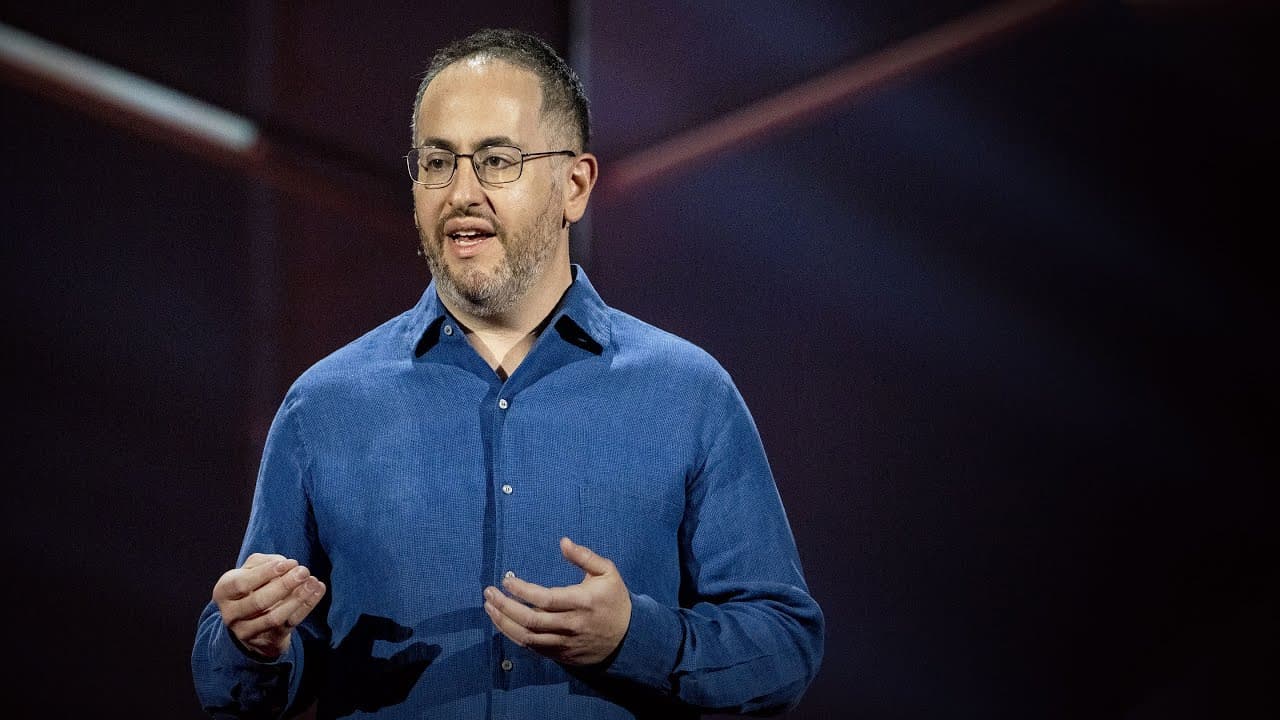
The Shift We Need to Stop Mass Surveillance | Albert Fox Cahn | TED
TL;DR
In this content, the speaker discusses the pervasive tracking and surveillance that individuals are subjected to, highlighting the extent of government access to personal data and the potential infringements on privacy and civil rights, calling for the banning of surveillance abuses.
Transcript
We all know we're tracked everywhere we go. But as a lawyer, a technologist and anti-surveillance activist, I'm here to tell you two things: the threat is way worse than you realize and the solutions simpler than you think. And no, it's not wearing a tinfoil hat. (Laughter) You may know that advertisers can record every link you click and every pla... Read More
Key Insights
- 👁️ The threat of surveillance is worse than most people realize, with both advertisers and governments being able to track our every move and purchase data.
- 👥 Government agencies like the NYPD, Texas, and the IRS can buy or access location data, leading to potential invasions of privacy and misuse of data.
- 🔒 Geofence warrants allow companies to hand over location data for every user in a specific area, disregarding individual privacy and leading to wrongful arrests and suspicion.
- 🚫 Surveillance abuses pose dangers to BIPOC communities, LGBTQ individuals, and undocumented families, highlighting the discriminatory nature of these practices.
- ⚖️ Shifting the focus from how companies collect data to how governments abuse it can help stop mass surveillance, with legal firewalls playing a crucial role in protecting individuals' rights.
- 🔥 State and local governments offer the brightest hope in enacting protections against surveillance abuses, and localized changes can have significant impacts on communities.
- 🏛️ Federal courts and judges are beginning to recognize the need for stricter legislation and have called on lawmakers to take action against surveillance abuses.
- 💪 Despite the prevalent belief that surveillance is inevitable, the speaker is optimistic about the ability to push back against this threat and protect privacy through banning surveillance abuses.
Install to Summarize YouTube Videos and Get Transcripts
Explore YouTube Video Summarizer or Get YouTube Transcript Extractor
Questions & Answers
Q: What data can advertisers and the government track about us?
Advertisers can record every link we click and every place we've been. The government can also purchase this data, allowing them to track specific events or locations, such as protests or abortion clinics. Furthermore, they can obtain location records through force and use geofence warrants to access the location data of all users in a particular area.
Q: What are the potential risks and consequences of mass surveillance?
Mass surveillance poses a significant threat to individuals and communities. It not only violates our privacy but also discriminates against marginalized groups such as BIPOC communities, LGBTQ individuals, and undocumented families. The misuse of surveillance by law enforcement, as demonstrated in various cases, can lead to wrongful arrests and unjust targeting based on mere movements or connections to a crime scene.
Q: How can we address the issue of mass surveillance?
Rather than focusing solely on how companies collect our data, we need to shift our attention to how governments abuse it. We should advocate for legal firewalls that protect our data from being used against us in a court of law. These legal codes can create a balance between technological innovation and constitutional rights, ensuring that our data is not misused for undemocratic purposes.
Q: What is the role of state and local governments in protecting privacy?
State and local governments play a crucial role in enacting privacy protections. While implementing a national statute may require immense efforts, changes can be made at the community level through the dedication of a few activists. Notably, we have already witnessed a wave of state and local protections, including the first-in-the-nation ban on geofence warrants in New York. This local action sets an example for others to follow.
Q: Is there hope for protecting privacy in the face of increasing surveillance?
Despite the prevailing belief that surveillance is inevitable and privacy is a fantasy, the speaker remains optimistic. The severity of the surveillance threat has shattered denial and prompted public awareness and action. By actively banning surveillance abuses today, we can push back against the looming dystopia and safeguard the possibilities that technology offers us in the future.
Summary & Key Takeaways
-
The threat of surveillance is greater than people realize, with both advertisers and the government having access to our personal data.
-
Geo-fence warrants allow the government to obtain location data from everyone in a specific area, leading to discrimination and wrongful arrests.
-
We can combat mass surveillance by shifting our focus from how companies collect data to how governments abuse it, and implementing legal firewalls to protect our information. State and local governments can lead the way in enacting protections.
Read in Other Languages (beta)
Share This Summary 📚
Summarize YouTube Videos and Get Video Transcripts with 1-Click
Try YouTube Summary with ChatGPT & Claude or YouTube Transcript Generator
Explore More Summaries from TED 📚






Summarize YouTube Videos and Get Video Transcripts with 1-Click
Try YouTube Summary with ChatGPT & Claude or YouTube Transcript Generator