What Is an IPO and How Does It Benefit Companies?
TL;DR
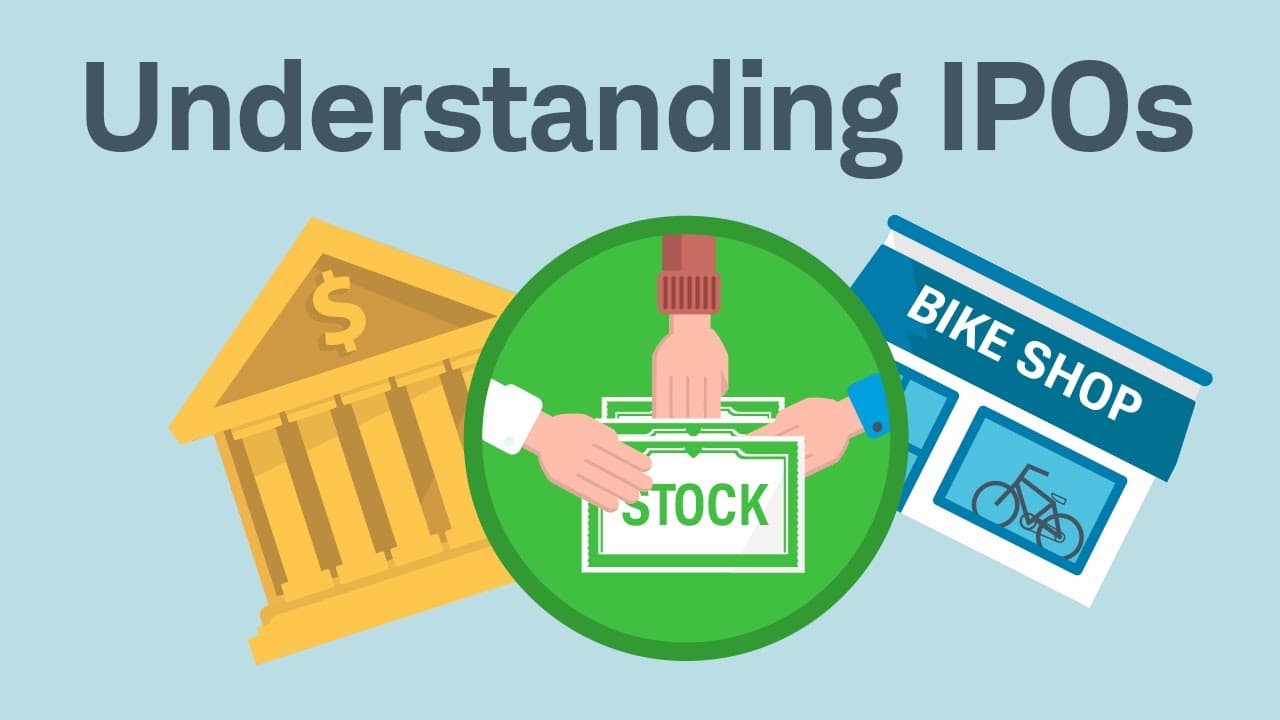
An IPO, or initial public offering, is when a company sells its stock to the public for the first time to raise capital for growth and allow existing shareholders to sell their shares. Companies typically work with investment banks to underwrite the offering and set the share price, while the stock price is later determined by market forces once trading begins.
Transcript
An IPO, or initial public offering, is the initial sale of a company's stock to the public. Prior to the IPO, the company's stock is privately held and cannot be sold to the public. Startup companies may go public to raise money to develop and grow their business. Other companies may go public to expand existing products or services. There are some... Read More
Key Insights
- 🇨🇫 An IPO is the process of a company going public by selling its stock to the public for the first time.
- 🤨 Companies go public to raise capital, expand their business, and allow existing shareholders to liquidate their shares.
- 😫 Investment banks play a crucial role in underwriting the IPO and setting the share price.
- 🤲 The IPO process involves developing a prospectus, registering with the SEC, and getting purchase commitments from institutional investors.
- 🍭 After the IPO, the stock starts trading on a stock exchange, and its price is determined by market forces.
- 🖤 Investing in an IPO carries risks including the lack of trading history, limited information, and initial price volatility.
- 🤪 Some companies may have a long history of earnings growth before going public, while others may be seeking funds to pay their bills.
Install to Summarize YouTube Videos and Get Transcripts
Explore YouTube Video Summarizer or Get YouTube Transcript Extractor
Questions & Answers
Q: What is an IPO and why do companies go public?
An IPO, or initial public offering, is the first sale of a company's stock to the public. Companies go public to raise capital for business development, expand existing products or services, and allow existing shareholders to profit from stock sales.
Q: How does a company go public?
To go public, a company works with investment banks that underwrite the offering and set the price for shares. They develop a prospectus, register with the SEC, and get purchase commitments from institutional investors, brokers, and banks.
Q: What happens during the IPO process?
During the IPO process, the company and underwriting syndicate offer shares to high-value customers. Once the IPO is complete, the shares start trading on a stock exchange, and the stock price is determined by market forces.
Q: What are the risks of investing in an IPO?
Risks of investing in an IPO include the lack of previous trading history, limited company information, and initial price volatility. The risk of loss is substantial, but there is also potential for profit.
Summary & Key Takeaways
-
An IPO is the process of selling a company's stock to the public for the first time, providing an opportunity for the company to raise funds for growth and development.
-
Going public allows companies to raise capital without increasing their debt and gives existing shareholders the chance to sell their shares and profit from company growth.
-
Companies seeking to go public work with investment banks to underwrite the offering, develop a prospectus, and register with the SEC. Institutional investors and brokers purchase shares initially, and then the stock starts trading on a stock exchange.
Read in Other Languages (beta)
Share This Summary 📚
Summarize YouTube Videos and Get Video Transcripts with 1-Click
Try YouTube Summary with ChatGPT & Claude or YouTube Transcript Generator
Explore More Summaries from Charles Schwab 📚






Summarize YouTube Videos and Get Video Transcripts with 1-Click
Try YouTube Summary with ChatGPT & Claude or YouTube Transcript Generator