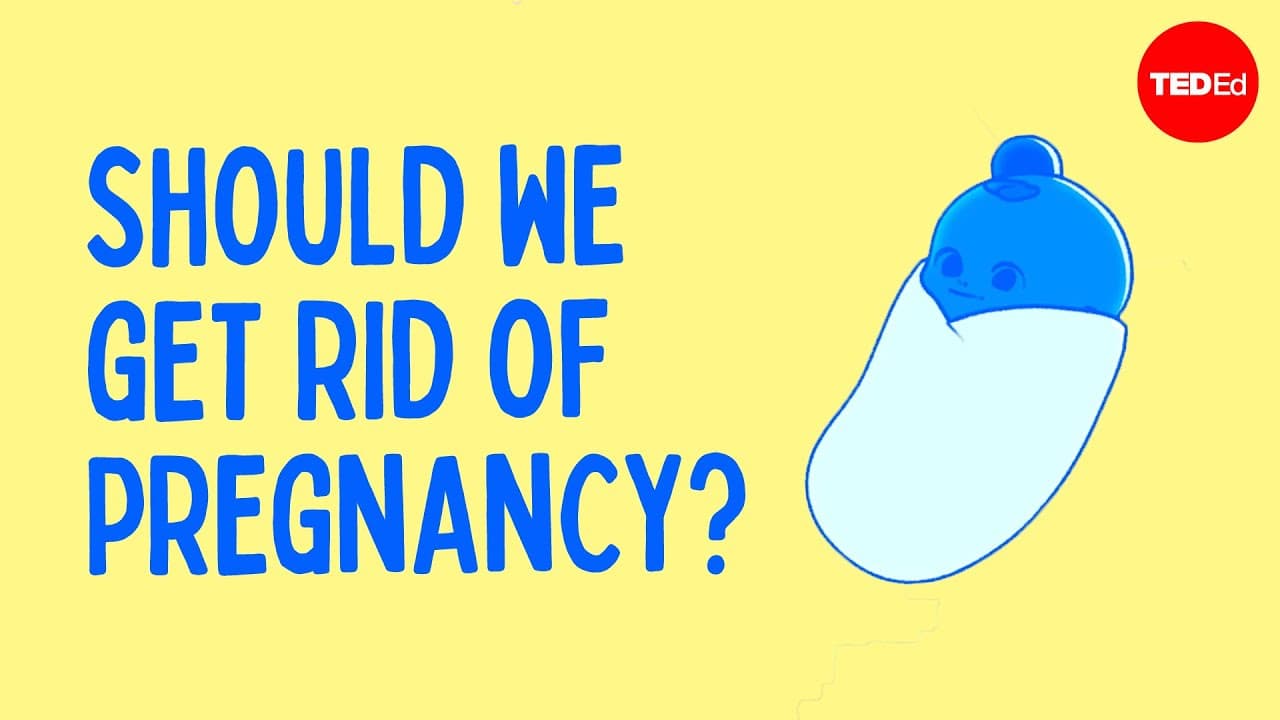
Should we get rid of pregnancy?
TL;DR
The concept of artificial wombs could change childbirth, raising ethical and social implications.
Transcript
What if we changed one of the most fundamental building blocks of life to make it more accessible? What would happen if we got rid of birth? (Phone ringing) Hi, grandma. Hello, sunshine! Oh, did you mean to video call? Eh? Video call? When are you going to visit me? I don't know how much time I have left. Eh yeah, none of us do, grandma. None of us... Read More
Key Insights
- 🤦♀️ The development of artificial wombs presents a potential reduction of pregnancy-related health risks and inconveniences commonly faced by women.
- 🗯️ Ethical dilemmas surrounding artificial wombs include debates on fetal rights and women's autonomy over their bodies during and after unintended pregnancies.
- ❣️ The societal implications of artificial wombs could challenge the normalization of heavy family roles depending on gender, promoting shared parenting responsibilities.
- 🛰️ The need for a clear moral framework regarding the significance of embryos and fetuses becomes crucial with the advent of artificial womb technology.
- 💨 Discussions surrounding artificial wombs could also pave the way for understanding the complexities of parenthood and the emotional connection often tied to pregnancy experiences.
- 🗯️ As artificial womb technology evolves, it poses significant questions regarding the availability of reproductive choices and rights for individuals and couples.
- 🫚 Personal narratives can reflect changing societal norms and the potential for greater acceptance of diverse parenting choices rooted in technological progress.
Install to Summarize YouTube Videos and Get Transcripts
Explore YouTube Video Summarizer or Get YouTube Transcript Extractor
Questions & Answers
Q: What are artificial wombs, and how could they change childbirth?
Artificial wombs are hypothetical devices that would allow embryos to develop outside the human body. If realized, they could revolutionize childbirth by eliminating the physical burdens of pregnancy, making childbearing more accessible, and shifting societal views on parenting roles.
Q: What ethical concerns do artificial wombs raise?
The introduction of artificial wombs could fuel debates about the rights of embryos and fetuses. If embryos are considered people due to their ability to grow in these devices, it might lead to legal restrictions on abortion and impact women’s autonomy over their reproductive choices.
Q: How might the availability of artificial wombs affect societal roles?
Artificial wombs could normalize the idea that child-rearing is not solely women’s work, encouraging shared parenting responsibilities among all genders. This shift could challenge traditional expectations and lead to greater equality in parental duties.
Q: What personal choices does the narrative highlight regarding parenthood?
The narrative emphasizes the importance of individuals' freedom to choose when and how to become parents. It advocates for ensuring that advancements in reproductive technology enhance personal agency rather than limit it, allowing future parents to make informed decisions about family planning.
Summary & Key Takeaways
-
The content explores the idea of artificial wombs as a solution to the challenges of pregnancy and childbirth, allowing for childbearing without the traditional burdens associated with pregnancy.
-
It raises ethical concerns about the implications of artificial wombs, such as the potential for increased restrictions on abortion rights and the moral status of embryos and fetuses.
-
The narrative highlights the importance of ensuring that technological progress does not limit personal choices regarding parenthood and pregnancy experiences.
Read in Other Languages (beta)
Share This Summary 📚
Summarize YouTube Videos and Get Video Transcripts with 1-Click
Try YouTube Summary with ChatGPT & Claude or YouTube Transcript Generator
Explore More Summaries from TED-Ed 📚
Summarize YouTube Videos and Get Video Transcripts with 1-Click
Try YouTube Summary with ChatGPT & Claude or YouTube Transcript Generator