What is an Inciting Incident — And How to Write a Great One
TL;DR
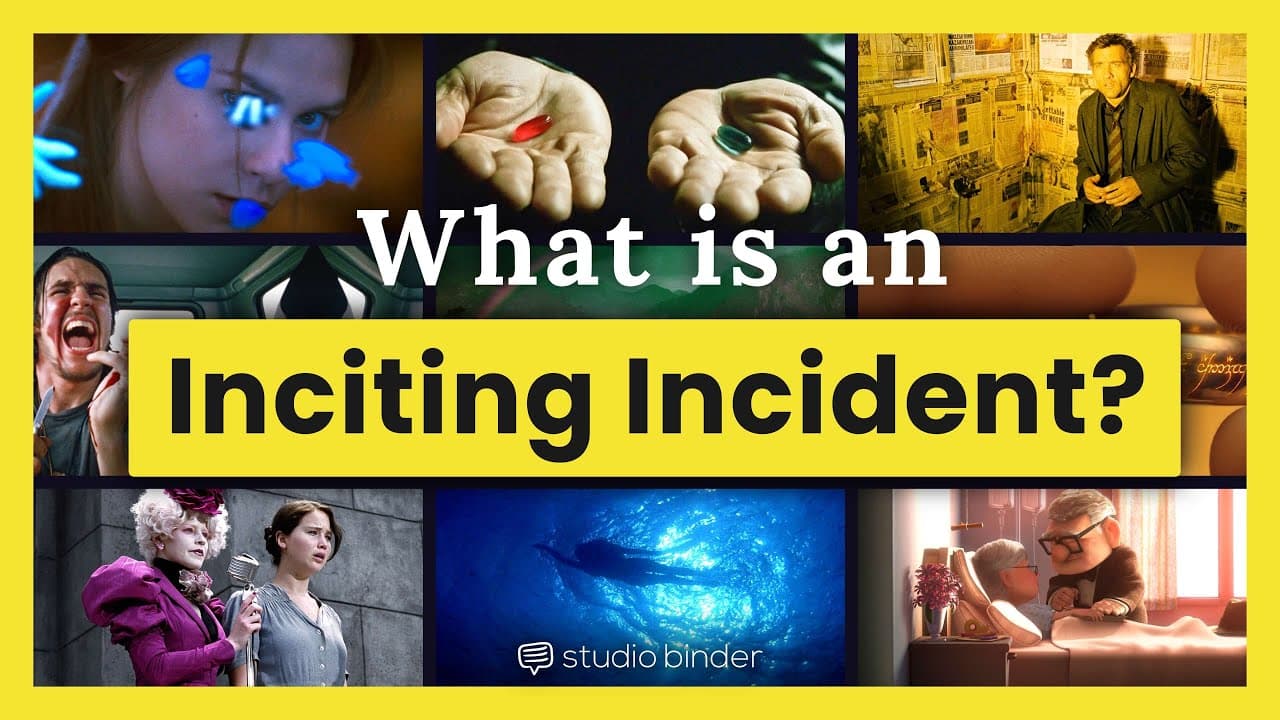
An inciting incident is the event that starts a story.
Transcript
"- Oh, let's get this party started." - For mainstream filmmaking, story is everything. And a story needs to start somewhere. And usually, it starts with an inciting event. "- Dear Mr. Potter. We are pleased to inform you that you have been accepted at Hogwarts School of Witchcraft and Wizardry." - How do filmmakers use inciting events as the spark... Read More
Key Insights
- An inciting incident is crucial for mainstream films as it sets the narrative in motion, though some avant-garde films may omit it.
- The inciting incident can vary in nature, from dramatic events like a death to subtle moments like a character introduction.
- Different genres use specific types of inciting incidents, such as 'meet-cute' in rom-coms or initial signs of evil in horror films.
- The inciting incident often occurs around 12.5% into a screenplay, providing enough time to establish the protagonist's world.
- Filmmakers use various techniques to highlight inciting incidents, including sound design, music, and camera movements.
- The inciting incident can have different effects, such as turning a character's world from good to bad or marking a positive change.
- Screenwriting experts like Robert McKee discuss the inciting incident as a moment of profound change for the protagonist.
- An inciting incident is not always the first event; it often follows an introduction to the key elements of the story.
Install to Summarize YouTube Videos and Get Transcripts
Explore YouTube Video Summarizer or Get YouTube Transcript Extractor
Questions & Answers
Q: What is an inciting incident?
An inciting incident is an event that sets the story in motion. It is a crucial story beat that disrupts the protagonist's world and prompts them to embark on their journey. This event can be dramatic or subtle, depending on the narrative style and genre of the film.
Q: Why is the inciting incident important in filmmaking?
The inciting incident is important because it serves as the catalyst for the protagonist's journey, marking the moment when the narrative truly begins. It establishes the stakes and direction of the story, engaging the audience and setting up the protagonist's challenges and goals.
Q: How do filmmakers highlight the inciting incident in a film?
Filmmakers use various techniques to highlight the inciting incident, such as sound design, music, and camera movements. These techniques draw attention to the moment, emphasizing its significance within the story. For example, a filmmaker might use silence followed by a loud sound to underscore the impact of the inciting incident.
Q: Can a film have more than one inciting incident?
Yes, a film can have more than one inciting incident. Robert McKee notes that sometimes the inciting incident is split into two distinct events: the setup and the payoff. This approach allows for a gradual introduction of the story's central conflict, providing depth and complexity to the narrative.
Q: What are some common types of inciting incidents in different genres?
Common types of inciting incidents vary by genre. In romantic comedies, a 'meet-cute' often serves as the inciting incident. Horror films might use an initial clue of evil, while dramas may begin with a personal loss. Each type is designed to have an irrevocable effect on the character and plot.
Q: When should the inciting incident occur in a screenplay?
The inciting incident should typically occur around 12.5% into the screenplay, often marking the halfway point of the first act. This timing allows the audience to become familiar with the protagonist's world before it is disrupted, ensuring the incident has a meaningful impact on the story.
Q: What happens if a film lacks an inciting incident?
If a film lacks an inciting incident, it may struggle to engage the audience or establish a clear narrative direction. The inciting incident is crucial for creating momentum and stakes, and without it, the story might feel aimless or lacking in purpose. However, some avant-garde films may intentionally omit it for artistic reasons.
Q: How do inciting incidents differ in subtle versus dramatic narratives?
In subtle narratives, the inciting incident may be a minor event or introduction that gradually influences the protagonist's journey. In contrast, dramatic narratives often feature a more overt and impactful inciting incident, such as a death or major revelation, that immediately propels the story forward.
Summary & Key Takeaways
-
An inciting incident is the pivotal event that sets a film's story in motion. It can vary in intensity and nature, from dramatic occurrences to subtle introductions. Regardless of its form, it serves as a catalyst for the protagonist's journey and is crucial in mainstream storytelling.
-
Different genres utilize specific types of inciting incidents, such as romantic comedies featuring 'meet-cutes' or horror films showcasing initial signs of evil. Filmmakers employ techniques like sound design and camera movements to emphasize these moments, ensuring they resonate with the audience.
-
The inciting incident typically occurs around 12.5% into a screenplay, allowing time to establish the protagonist's world. This timing ensures that the incident disrupts the established norm, compelling the protagonist to embark on their narrative journey.
Read in Other Languages (beta)
Share This Summary 📚
Summarize YouTube Videos and Get Video Transcripts with 1-Click
Try YouTube Summary with ChatGPT & Claude or YouTube Transcript Generator
Explore More Summaries from StudioBinder 📚





Summarize YouTube Videos and Get Video Transcripts with 1-Click
Try YouTube Summary with ChatGPT & Claude or YouTube Transcript Generator