Lauren Phelps: Pregnancy and Fertility Bias — Impacts and Solutions
TL;DR
Pregnancy bias in the workplace is a real issue that affects women's careers, families, and employers, with research showing that pregnant women and new mothers are hired less, paid less, and seen as less competent.
Transcript
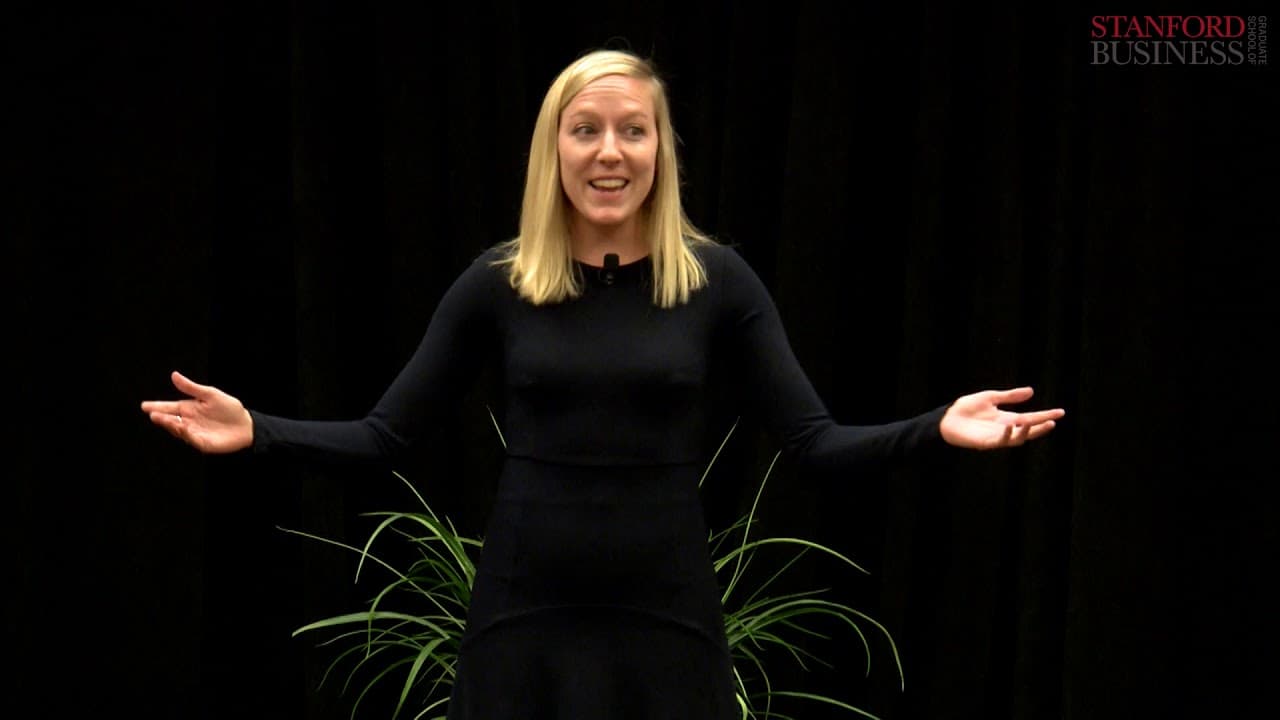
[MUSIC] In 1990, my mom was having a big year. She was going up for a huge promotion, SVP at Morgan Stanley. At the same time, she was going through a more anxiety inducing process. She was trying to get pregnant. Now, my mom was the only woman in her product group and she was a go getter. She was also 31 and my parents were having some trouble con... Read More
Key Insights
- 🤦♀️ Pregnancy bias is a stark reality in the workplace, with pregnant women and new mothers facing discrimination and being seen as less competent.
- 🧔♀️ The issue has worsened over time, potentially due to changing fertility trends, as women are delaying childbirth to focus on their careers.
- 👾 Employers can take steps to address pregnancy bias by dedicating resources, creating physical spaces, and promoting storytelling to reduce stigma and create a supportive culture.
Install to Summarize YouTube Videos and Get Transcripts
Explore YouTube Video Summarizer or Get YouTube Transcript Extractor
Questions & Answers
Q: How does pregnancy bias affect women's career advancement?
Research shows that pregnant women and new mothers are hired less frequently, paid less, and excluded from important meetings. They are also not given the same bonuses as their non-pregnant counterparts.
Q: Does pregnancy bias affect women's earning potential in the long term?
Yes, it does. On average, women make $16,000 less per year after having their first child. This results in a significant loss of earning power over their career, affecting their retirement savings as well.
Q: What role can employers play in reducing pregnancy bias?
Employers can dedicate HR resources to pregnancy and fertility, implement educational programs, provide physical spaces for women dealing with fertility treatments, and encourage storytelling to reduce stigma and promote empathy.
Q: Why should pregnancy bias concern everyone, including those who don't have a uterus?
Pregnancy bias affects families and employers too. It results in the economic loss of talented women leaving the workforce and impacts dual-income households, where the female partner statistically never recovers her earning power.
Summary & Key Takeaways
-
The workforce is still not adequately accommodating the increasing number of women delaying childbirth to focus on their careers, resulting in pregnancy bias and discrimination.
-
Pregnancy bias negatively impacts women's career prospects, with pregnant women and new mothers being hired less, paid less, and seen as less competent.
-
The issue of pregnancy bias is worsening, possibly due to changing fertility trends, and it affects not only women but also families and employers.
Read in Other Languages (beta)
Share This Summary 📚
Summarize YouTube Videos and Get Video Transcripts with 1-Click
Try YouTube Summary with ChatGPT & Claude or YouTube Transcript Generator
Explore More Summaries from Stanford Graduate School of Business 📚


Summarize YouTube Videos and Get Video Transcripts with 1-Click
Try YouTube Summary with ChatGPT & Claude or YouTube Transcript Generator