How Your Childhood Affects Your Love Styles
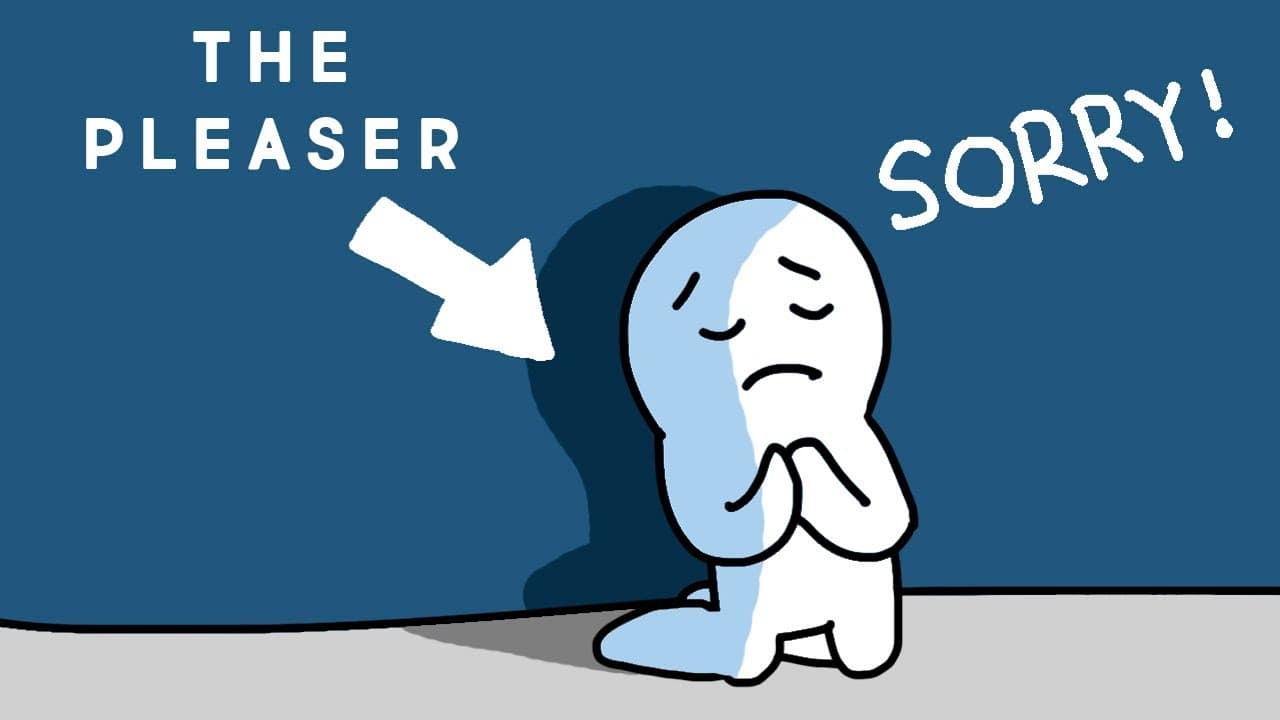
TL;DR
Our childhood experiences shape our love styles, which in turn affect our relationships.
Transcript
Although we have a choice in becoming the people we strive to be it is without a doubt that our childhoods shape us to a certain extent How we choose to react to different situations and the way we express ourselves our behavioral patterns that are formed starting at a young age When we first begin to learn how to make sense of our immediate enviro... Read More
Key Insights
- 🥰 Childhood experiences shape love styles, which impact how individuals behave in romantic relationships.
- 😑 Pleasers avoid conflict and prioritize others, struggling with setting boundaries and expressing their own needs.
- 😘 Victims adapt to chaos and may attract controlling partners, struggling with low self-esteem and assertiveness.
- 😒 Controllers fear vulnerability and use anger as a defense mechanism, needing to learn trust and manage emotions.
- 😨 Vacillators fear abandonment and face challenges with idealizing relationships and managing expectations.
- 😑 Avoiders prioritize independence and struggle with emotional expression, relying on logic and detachment.
- 🥰 Each love style requires self-awareness and growth to cultivate healthy and stable relationships.
Install to Summarize YouTube Videos and Get Transcripts
Explore YouTube Video Summarizer or Get YouTube Transcript Extractor
Questions & Answers
Q: How do childhood experiences shape our love styles?
Our upbringing influences how we respond to romantic partners, with different love styles emerging based on our experiences and learned behaviors.
Q: What are the characteristics of a pleaser love style?
Pleasers grew up in homes with critical or protective parents, leading them to prioritize others' comfort, struggle with conflict, and fail to set boundaries.
Q: How do victims cope with their childhood experiences in relationships?
Victims adapt to chaos and may attract controlling partners. They struggle with low self-esteem and anxiety, needing to learn self-love and assertiveness.
Q: How can controllers establish stable relationships?
Controllers seek control and use anger as a defense mechanism. They need to learn to trust others, let go of control, and manage their anger for healthy relationships.
Q: What challenges do vacillators face in relationships?
Vacillators fear abandonment, idealize relationships, and feel easily disappointed. They need to learn to pace themselves and manage their expectations.
Q: What are the characteristics of an avoider love style?
Avoiders come from less affectionate homes and prioritize independence. They struggle with emotional expression and need to learn to open up in relationships.
Key Insights:
- Childhood experiences shape love styles, which impact how individuals behave in romantic relationships.
- Pleasers avoid conflict and prioritize others, struggling with setting boundaries and expressing their own needs.
- Victims adapt to chaos and may attract controlling partners, struggling with low self-esteem and assertiveness.
- Controllers fear vulnerability and use anger as a defense mechanism, needing to learn trust and manage emotions.
- Vacillators fear abandonment and face challenges with idealizing relationships and managing expectations.
- Avoiders prioritize independence and struggle with emotional expression, relying on logic and detachment.
- Each love style requires self-awareness and growth to cultivate healthy and stable relationships.
- Understanding our love styles can help us recognize patterns and improve communication with our partners.
Summary & Key Takeaways
-
Love styles are formed in childhood and influence how we respond to romantic partners.
-
Pleasers grow up seeking approval and avoiding conflict, often putting others' needs before their own.
-
Victims develop low self-esteem and adapt to chaos, often attracting controlling partners.
-
Controllers value control and avoid vulnerability, using anger as a defense mechanism.
-
Vacillators fear abandonment and struggle with idealizing relationships and managing expectations.
-
Avoiders prioritize independence and struggle with emotional expression, relying on logic and detachment.
Read in Other Languages (beta)
Share This Summary 📚
Summarize YouTube Videos and Get Video Transcripts with 1-Click
Try YouTube Summary with ChatGPT & Claude or YouTube Transcript Generator
Explore More Summaries from Psych2Go 📚

![Why Modern Dating Feels Impossible [Japanese Dubbed Available ] thumbnail](/_next/image?url=https%3A%2F%2Fi.ytimg.com%2Fvi%2F4keQmOhOvNo%2Fhqdefault.jpg&w=750&q=75)
Summarize YouTube Videos and Get Video Transcripts with 1-Click
Try YouTube Summary with ChatGPT & Claude or YouTube Transcript Generator