What Are the Four Attachment Styles in Love?
TL;DR
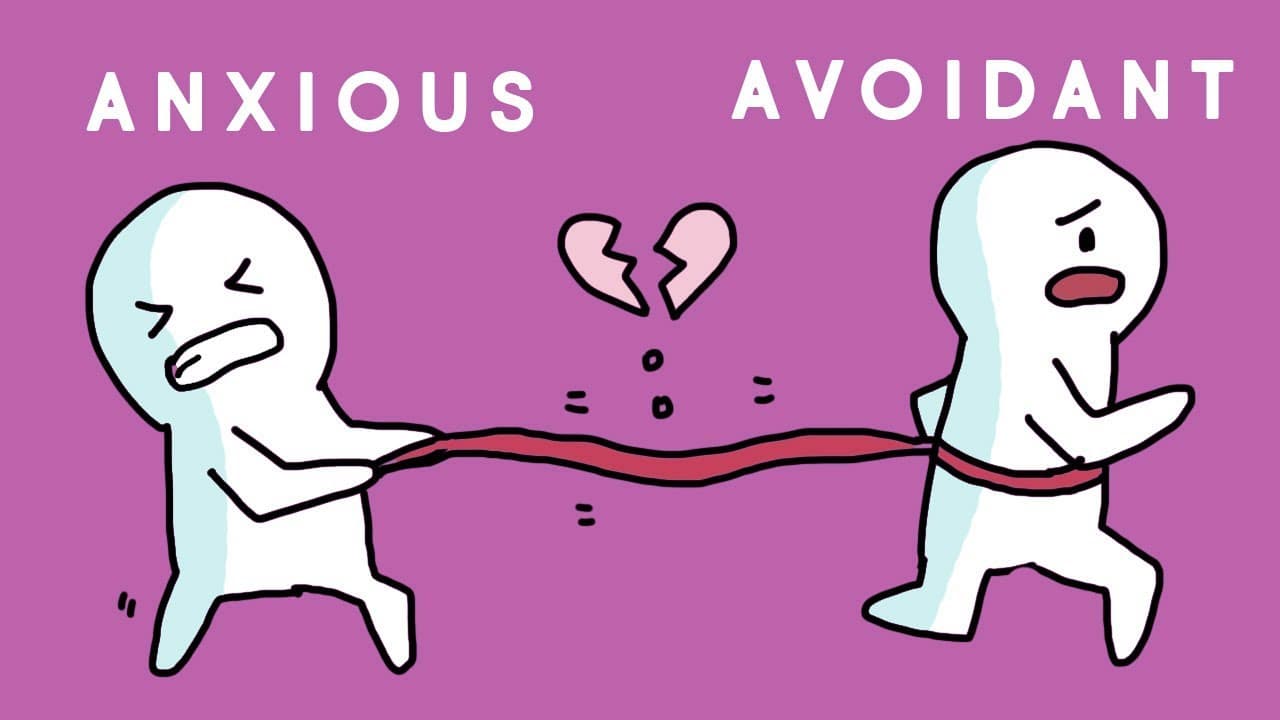
The four attachment styles in love are secure, anxious preoccupied, dismissive avoidant, and fearful avoidant. Each style influences how individuals relate to partners, from healthy communication to struggles with intimacy and emotional distance. Understanding your attachment style can promote self-awareness and enhance relationship dynamics.
Transcript
hello psyche to goers we just want to take the time to thank you for all your kind support we are a team of dedicated passionate and hardworking individuals who come together every day with one goal in mind we want to make psychology come alive for you we are self funded and recently launched our patreon if you enjoy the work we do and find it mean... Read More
Key Insights
- ✨ Attachment styles play a significant role in our relationships, and understanding them can lead to more self-awareness and better connections with our partners.
- 🔒 People with a secure attachment style are more likely to have healthy, equal, and open relationships, characterized by effective communication and problem-solving skills.
- ❤️ Those with an anxious preoccupied attachment style often struggle with insecurity and low self-esteem, seeking validation and reassurance from their partners.
- ♂️ Individuals with a dismissive avoidant attachment style tend to be emotionally distant and value their independence, often avoiding true intimacy in relationships.
- 🌊 People with a fearful avoidant attachment style experience internal conflict, fearing both closeness and distance, often leading to a cycle of highs and lows in their relationships.
- 🙌 Recognizing your attachment style can be a powerful tool for personal growth and can help you become a better partner.
- 💰 Psych to go is a self-funded platform that aims to make psychology accessible to a wider audience, and their Patreon campaign offers rewards for supporting their content.
- 🌟 Funding from supporters will allow Psych to go to produce quality content, including script writing, voice-overs, and animations, to both entertain and educate their community.
Install to Summarize YouTube Videos and Get Transcripts
Explore YouTube Video Summarizer or Get YouTube Transcript Extractor
Questions & Answers
Q: What is the difference between a secure attachment style and a perfect relationship?
A secure attachment style does not mean a relationship is perfect. People with a secure attachment style still experience conflict and bad days, but they have higher emotional intelligence and problem-solving skills, which help them communicate effectively and overcome obstacles.
Q: How do individuals with an anxious preoccupied attachment style struggle with establishing a sense of self?
People with an anxious preoccupied attachment style often struggle with low self-esteem and setting boundaries because they have grown up without healthy boundaries and little guidance on nurturing their individuality. This can make it challenging for them to establish a strong sense of self.
Q: Why do people with a dismissive avoidant attachment style seek space in relationships?
People with a dismissive avoidant attachment style may seek space more frequently because they have a fear of vulnerability. They shut down their emotions and pretend not to care if their partner threatens to leave them. However, humans still need connections, and extreme independence can be an illusion.
Q: How do individuals with a fearful avoidant attachment style experience relationships?
People with a fearful avoidant attachment style experience a mix of fearing both closeness and distance in relationships. They struggle with approaching others to find love but often hurt them when they get too close. They face inner conflict between wanting intimacy and resisting it, leading to highs and lows in relationships.
Answer: Understanding your attachment style and recognizing the work that comes with it can be life-changing. It can help you become more self-aware and a better lover. By learning about your attachment style, you can understand your tendencies and make changes to build healthier relationships.
Summary & Key Takeaways
-
There are four attachment styles in love: secure, anxious preoccupied, dismissive avoidant, and fearful avoidant.
-
People with a secure attachment style have open and honest relationships, while those with an anxious preoccupied style often struggle with insecurities and clinginess.
-
Individuals with a dismissive avoidant style may be emotionally distant, and those with a fearful avoidant style experience fear of both closeness and distance in relationships.
Read in Other Languages (beta)
Share This Summary 📚
Summarize YouTube Videos and Get Video Transcripts with 1-Click
Try YouTube Summary with ChatGPT & Claude or YouTube Transcript Generator
Explore More Summaries from Psych2Go 📚

Summarize YouTube Videos and Get Video Transcripts with 1-Click
Try YouTube Summary with ChatGPT & Claude or YouTube Transcript Generator