Obesity Is A Symptom & Lack of Muscle Is The ROOT Of The Problem | Mind Pump 2174
TL;DR
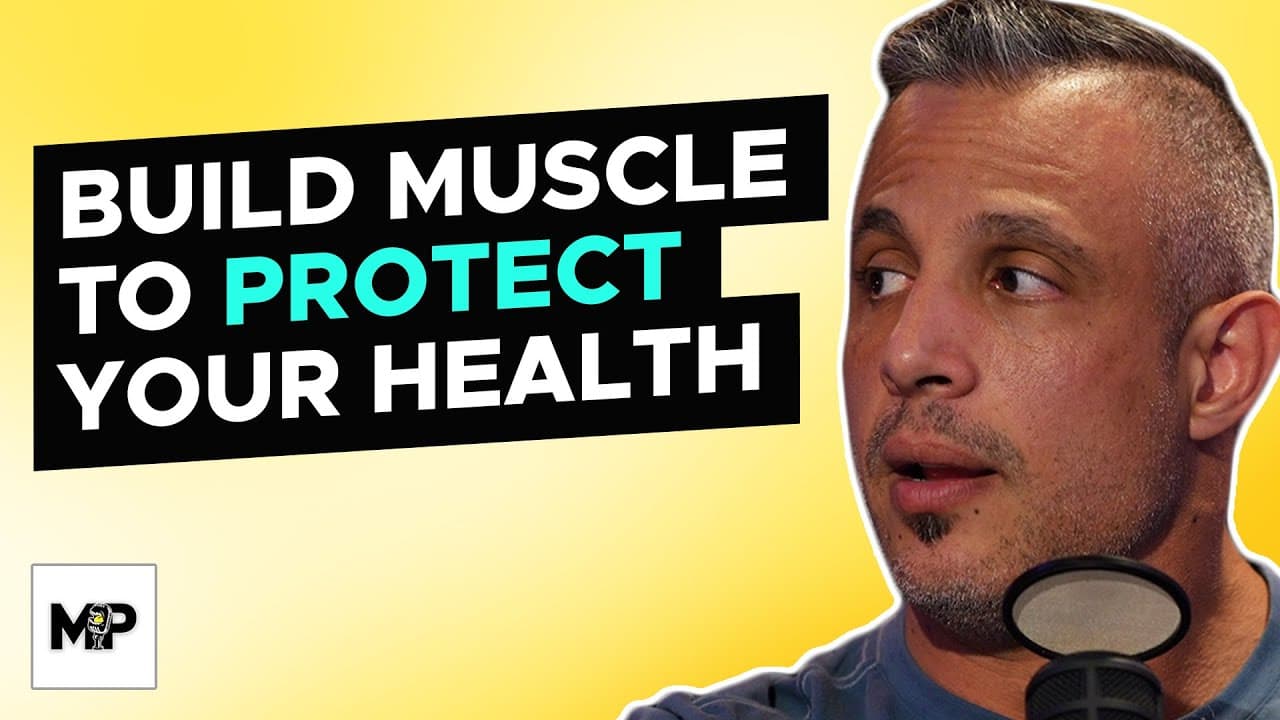
Lack of muscle is the root problem, not obesity.
Transcript
this might be news to you but we're not suffering from obesity actually the problem is much more complicated we don't have enough muscle it turns out obesity is the smoke the fire is lack of muscle when you look at the studies on building muscle it's so protective that even if you're obese and you build some muscle you have better protective effect... Read More
Key Insights
- Obesity is often seen as the primary health issue, but lack of muscle is the underlying problem that needs addressing.
- Building muscle can have protective effects against various health issues, even more so than losing body fat alone.
- Sodium's link to heart disease is not as strong as previously thought; removing sodium often means reducing processed foods, which is beneficial.
- Strength, such as grip strength, is a better predictor of all-cause mortality than many other health metrics.
- Modern lifestyles have led to a decrease in muscle mass and strength, contributing to health issues like Alzheimer's and diabetes.
- Current weight loss strategies often lead to muscle loss, making it harder to maintain long-term health and weight management.
- The fitness industry needs to shift its focus from just losing weight to building and maintaining muscle mass.
- The societal narrative around health should focus more on muscle gain rather than weight loss to improve overall health metrics.
Install to Summarize YouTube Videos and Get Transcripts
Explore YouTube Video Summarizer or Get YouTube Transcript Extractor
Questions & Answers
Q: What is the main health issue discussed in the podcast?
The main health issue discussed is the lack of muscle, which is identified as the root problem, rather than obesity. The hosts argue that building muscle provides better protective effects against health issues than merely focusing on losing body fat.
Q: How does sodium intake relate to health according to the podcast?
The podcast mentions a meta-analysis that found no strong connection between sodium intake and heart disease. It suggests that the benefits observed from reducing sodium often come from reducing processed foods, which is inherently beneficial.
Q: Why is strength considered a better health metric?
Strength, particularly grip strength, is considered a better health metric because it is a more accurate predictor of all-cause mortality than many other metrics. This highlights the importance of maintaining muscle mass and strength for long-term health.
Q: What societal changes do the hosts suggest regarding health narratives?
The hosts suggest that the societal narrative around health should shift from focusing solely on weight loss to emphasizing muscle gain. This change could lead to improved health metrics and better long-term health outcomes.
Q: What are the consequences of current weight loss strategies?
Current weight loss strategies often result in muscle loss, making it more challenging to maintain long-term health and manage weight effectively. This approach can lead to a cycle of weight regain and associated health issues.
Q: How does modern lifestyle contribute to health issues?
Modern lifestyles have led to decreased muscle mass and strength, contributing to various health issues such as Alzheimer's and diabetes. The sedentary nature of modern life and the focus on weight loss rather than muscle gain exacerbate these problems.
Q: What benefits does building muscle offer?
Building muscle offers numerous protective health benefits, including improved insulin sensitivity, better utilization of sugars, anti-inflammatory effects, and protection against diseases like cancer and diabetes. It also supports faster metabolism and overall health.
Q: What is the podcast's stance on the fitness industry's focus?
The podcast criticizes the fitness industry's focus on weight loss and advocates for a shift towards building and maintaining muscle mass. This approach is seen as more effective in improving health metrics and achieving long-term health benefits.
Summary & Key Takeaways
-
The podcast discusses how the lack of muscle, rather than obesity, is the primary health issue. Building muscle offers protective health benefits and should be prioritized.
-
Sodium's connection to heart disease is questioned, with evidence suggesting that cutting sodium often reduces processed food intake, which is beneficial.
-
The importance of strength as a health metric is highlighted, with grip strength being a better predictor of mortality than other measures.
Read in Other Languages (beta)
Share This Summary 📚
Summarize YouTube Videos and Get Video Transcripts with 1-Click
Try YouTube Summary with ChatGPT & Claude or YouTube Transcript Generator
Explore More Summaries from Mind Pump Show 📚


Summarize YouTube Videos and Get Video Transcripts with 1-Click
Try YouTube Summary with ChatGPT & Claude or YouTube Transcript Generator