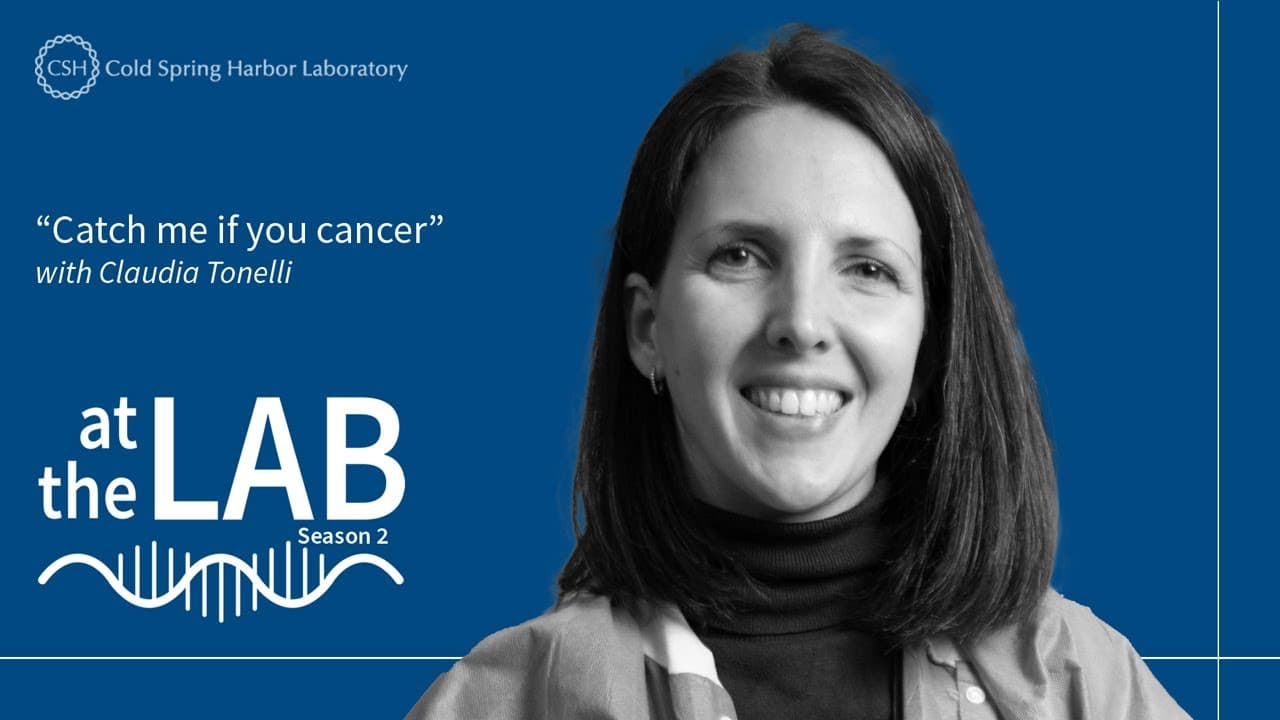
At the Lab: Catch me if you cancer
TL;DR
Research aims to intercept pancreatic cancer before it develops.
Transcript
[music] You’re now At the Lab with Cold Spring Harbor Laboratory. My name is Nick Fiore, and this week At the Lab, “Catch me if you cancer.” Early detection is crucial for successful cancer treatment. However, in many cases, cancer detection feels like a cruel game of catch me if you can. An extreme example is pancreatic cancer. According to the L... Read More
Key Insights
- Early detection is vital for successful cancer treatment, especially for pancreatic cancer, which currently lacks effective screening methods.
- Pancreatic cancer is particularly elusive due to the pancreas's deep location in the abdomen, making tumors hard to detect during routine exams.
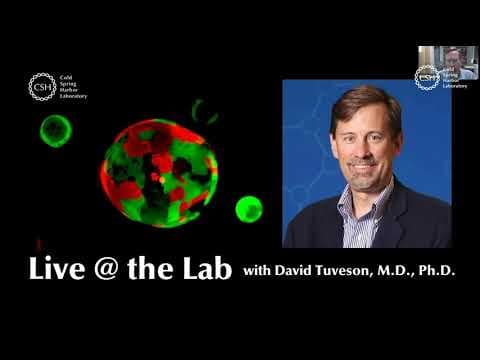
- Research by Claudia Tonelli and Professor David Tuveson at Cold Spring Harbor focuses on understanding how precancerous lesions evolve into pancreatic cancer.
- Most adults develop precancerous lesions in the pancreas, but only a few progress to cancer, highlighting the need for understanding the transformation process.
- Known risk factors for pancreatic cancer include chronic pancreatitis, diabetes, and family history, guiding current research efforts.
- The goal is to develop better diagnostic tools and prevention strategies by understanding the biology of lesion transformation.
- Potential outcomes of this research include treatments with fewer side effects and the ability to intercept cancer before it fully develops.
- This research could save thousands of lives by applying fundamental biology to prevent pancreatic cancer at its earliest stages.
Install to Summarize YouTube Videos and Get Transcripts
Explore YouTube Video Summarizer or Get YouTube Transcript Extractor
Questions & Answers
Q: What makes pancreatic cancer difficult to detect?
Pancreatic cancer is difficult to detect because the pancreas is located deep in the abdomen, behind the stomach, making tumors hard to see or feel during routine examinations. This anatomical challenge, combined with the lack of early warning signs and effective screening methods, complicates early detection efforts.
Q: What are the known risk factors for pancreatic cancer?
The known risk factors for pancreatic cancer include chronic pancreatitis, diabetes, and a family history of pancreatic cancer. These factors help identify patient populations that may be at higher risk and are a focus of current research efforts to understand and intercept the disease before it fully develops.
Q: What is the main focus of the research by Claudia Tonelli and Professor David Tuveson?
The main focus of the research by Claudia Tonelli and Professor David Tuveson is to understand how precancerous lesions in the pancreas evolve into pancreatic cancer. By studying this transformation process, they aim to develop better diagnostic tools and prevention strategies to intercept the disease before it fully develops.
Q: Why is it important to understand the transformation of precancerous lesions?
Understanding the transformation of precancerous lesions is important because it could lead to the ability to intercept pancreatic cancer before it develops. This knowledge could enable the creation of treatments with fewer side effects, better diagnostic tools, and prevention strategies, ultimately saving thousands of lives by preventing cancer at its earliest stages.
Q: What potential outcomes could result from this research?
Potential outcomes from this research include the development of treatments with fewer harmful side effects, improved diagnostic tools, and new prevention strategies. These advances could enable the interception of pancreatic cancer before it develops, thereby saving thousands of lives through the application of fundamental biological insights.
Q: How does the research aim to impact pancreatic cancer treatment?
The research aims to impact pancreatic cancer treatment by providing a deeper understanding of how precancerous lesions transform into cancer. This knowledge could lead to the development of more effective diagnostic and treatment methods, enabling earlier detection and potentially preventing the disease from developing in the first place.
Q: What is the significance of the research conducted at Cold Spring Harbor?
The significance of the research conducted at Cold Spring Harbor lies in its potential to revolutionize pancreatic cancer detection and treatment. By understanding the biological mechanisms of lesion transformation, the research could lead to breakthroughs in early detection, prevention, and treatment, ultimately reducing mortality rates associated with this challenging disease.
Q: How could this research save lives in the future?
This research could save lives in the future by intercepting pancreatic cancer before it develops, thanks to a better understanding of the biology of lesion transformation. Early intervention could prevent the disease from reaching advanced stages, reducing the need for aggressive treatments and increasing survival rates through more targeted and effective strategies.
Summary & Key Takeaways
-
Early detection is crucial for treating pancreatic cancer, which lacks effective screening methods. Researchers at Cold Spring Harbor are studying how precancerous lesions evolve into cancer, aiming to develop better diagnostic tools and prevention strategies.
-
Pancreatic cancer is hard to detect due to the pancreas's deep location in the abdomen. Known risk factors include chronic pancreatitis, diabetes, and family history, which guide current research efforts.
-
The research aims to intercept pancreatic cancer before it develops by understanding the biology of lesion transformation. This could lead to treatments with fewer side effects and save thousands of lives.
Read in Other Languages (beta)
Share This Summary 📚
Summarize YouTube Videos and Get Video Transcripts with 1-Click
Try YouTube Summary with ChatGPT & Claude or YouTube Transcript Generator
Explore More Summaries from Cold Spring Harbor Laboratory 📚
Summarize YouTube Videos and Get Video Transcripts with 1-Click
Try YouTube Summary with ChatGPT & Claude or YouTube Transcript Generator