From Sea to Changing Sea | Marine Life || Radcliffe Institute
TL;DR
Human activities such as carbon emissions and noise pollution are causing ocean acidification and disrupting marine ecosystems.
Transcript
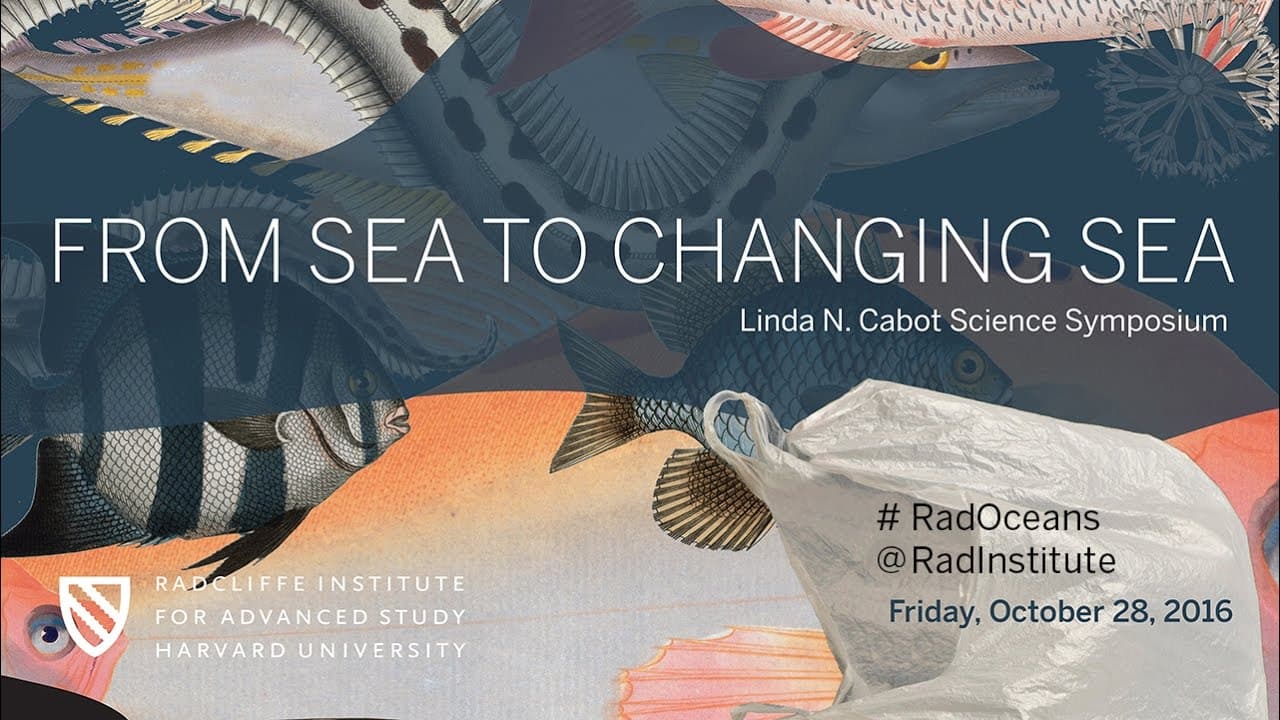
[MUSIC PLAYING] - OK. So our last panel is here to talk about marine life. I don't know if anybody ever thought that the supply of marine life in the ocean was inexhaustible or not subject to the stresses that humans can put on it. But if not, by now we probably are keenly aware of this issue. And it only gets more keen. So this panel will talk abo... Read More
Key Insights
- ❓ Human activities, such as carbon emissions and noise pollution, are causing significant disruptions to marine ecosystems.
- 🥺 Ocean acidification is a serious threat to calcifying organisms, such as shellfish and corals, and can lead to deformities, reduced survival rates, and loss of habitat.
Install to Summarize YouTube Videos and Get Transcripts
Explore YouTube Video Summarizer or Get YouTube Transcript Extractor
Questions & Answers
Q: How is ocean acidification impacting marine life?
Ocean acidification is decreasing the carbonate ion concentration in seawater, making it more difficult for calcifying organisms such as shellfish and corals to build their shells and skeletons. This can lead to deformities and reduced survival rates.
Q: What are the implications of noise pollution for marine species?
Noise pollution from ships and other human activities can interfere with marine species' communication and navigation. For example, the songs of blue whales can be masked by noise, disrupting their ability to find mates and maintain social networks.
Q: How are human activities contributing to ocean acidification?
Carbon dioxide emissions from human activities, such as burning fossil fuels, are leading to excess carbon dioxide in the atmosphere. This excess carbon dioxide is absorbed by the ocean, causing a decrease in pH and carbonate ion concentration.
Q: What are the potential consequences of disruptions to marine ecosystems?
Disruptions to marine ecosystems can have cascading effects throughout the food chain and impact the overall health and biodiversity of the ecosystem. For example, disruptions to coral reefs can lead to loss of habitat for other species and reduced fish populations.
Summary & Key Takeaways
-
Marine life is facing increasing stresses and impacts from human activities, including carbon dioxide emissions and noise pollution.
-
Ocean acidification, caused by the absorption of excess carbon dioxide from the atmosphere, is threatening the survival of calcifying organisms such as shellfish and corals.
-
Noise pollution from shipping and other human activities is disrupting marine species' communication and navigation.
Read in Other Languages (beta)
Share This Summary 📚
Summarize YouTube Videos and Get Video Transcripts with 1-Click
Try YouTube Summary with ChatGPT & Claude or YouTube Transcript Generator
Explore More Summaries from Harvard University 📚






Summarize YouTube Videos and Get Video Transcripts with 1-Click
Try YouTube Summary with ChatGPT & Claude or YouTube Transcript Generator