Physical vs Chemical Properties
TL;DR
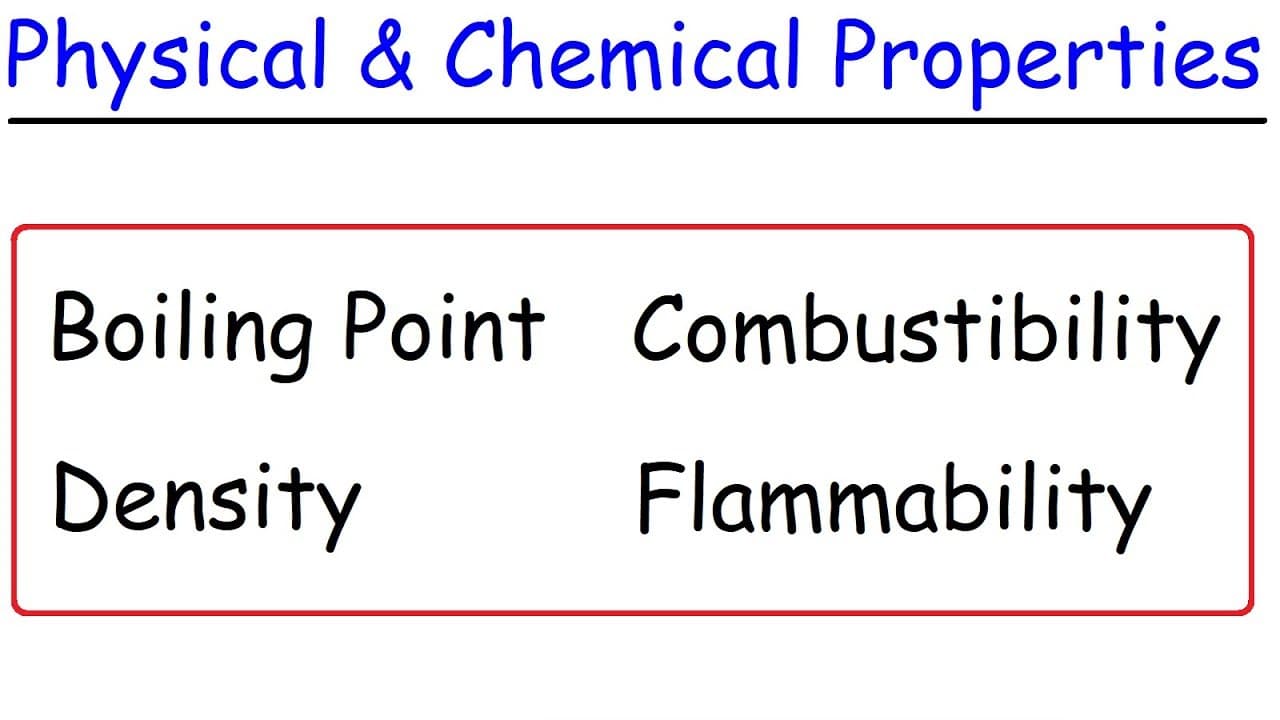
Physical properties describe characteristics that do not change the chemical identity of a substance, while chemical properties describe characteristics that do change the chemical identity of a substance.
Transcript
in this video we're going to talk about the difference between physical properties and chemical properties when you think of properties properties are characteristics a physical property describes characteristics that does not change the chemical identity of the substance whereas a chemical property it describes the characteristic that will change ... Read More
Key Insights
- 💱 Physical properties describe characteristics that do not change the chemical identity of a substance.
- 💱 Chemical properties describe characteristics that do change the chemical identity of a substance.
- 💱 Color can be a physical property, but if it changes due to a reaction, it becomes a chemical property.
- 🔥 The ability to burn or react with other substances is a chemical property.
- 💐 The ability to change shape or flow easily is a physical property.
- 👅 Taste is a chemical property that relates to the acidity or basicity of a substance.
- 💆 Density, viscosity, mass, weight, and volume are physical properties that describe the distribution or quantity of matter.
Install to Summarize YouTube Videos and Get Transcripts
Explore YouTube Video Summarizer or Get YouTube Transcript Extractor
Questions & Answers
Q: What is the difference between physical properties and chemical properties?
Physical properties describe characteristics that do not change the chemical identity of a substance, while chemical properties describe characteristics that do change the chemical identity of a substance.
Q: Give examples of physical properties.
Examples of physical properties include boiling point, melting point, freezing point, color, viscosity, density, mass, weight, and volume.
Q: Provide examples of chemical properties.
Examples of chemical properties include flammability, corrosiveness, combustibility, reactivity with other substances, and changes in pH.
Q: How can you differentiate between physical and chemical properties of a substance?
Physical properties do not involve a change in the chemical identity of a substance and describe characteristics like state changes, color, or flowability. Chemical properties, on the other hand, involve a change in the chemical identity of a substance and describe characteristics like reactivity or the ability to undergo a chemical reaction.
Q: Is taste a physical or chemical property?
Taste is a chemical property because it describes the acidity or basicity of a substance based on the reaction that occurs when it interacts with taste receptors in our body.
Q: Give an example of a physical property that can change in different circumstances.
Boiling point is a physical property that can change depending on external conditions like pressure. Different substances have different boiling points, but the boiling point of a substance can vary with changes in altitude or pressure.
Q: Why is density considered a physical property?
Density is considered a physical property because it describes the mass of a substance in relation to its volume. It does not involve a change in the chemical identity of the substance and is consistent regardless of external factors.
Q: How can pH be classified as a chemical property?
pH is a chemical property because it describes the acidity or basicity of a substance, which is determined by the concentration of hydrogen ions. Adjusting the pH can affect how a substance reacts with other elements or compounds.
Summary & Key Takeaways
-
Physical properties are characteristics that do not change the chemical identity of a substance, such as boiling point, melting point, and freezing point.
-
Chemical properties are characteristics that do change the chemical identity of a substance, such as flammability, corrosiveness, and combustibility.
-
Properties like color, viscosity, and pH can be either physical or chemical properties depending on whether they describe a reaction or not.
Read in Other Languages (beta)
Share This Summary 📚
Summarize YouTube Videos and Get Video Transcripts with 1-Click
Try YouTube Summary with ChatGPT & Claude or YouTube Transcript Generator
Explore More Summaries from The Organic Chemistry Tutor 📚




Summarize YouTube Videos and Get Video Transcripts with 1-Click
Try YouTube Summary with ChatGPT & Claude or YouTube Transcript Generator