Climate change is making floods worse: here's how
TL;DR
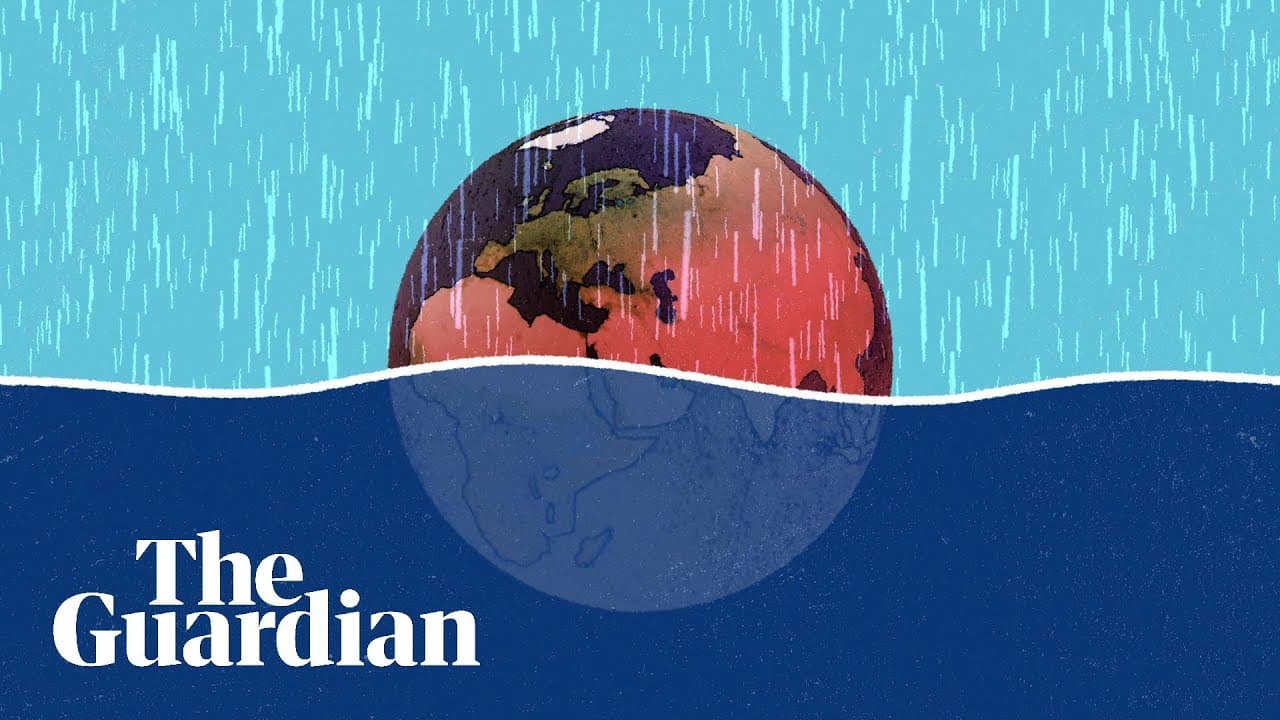
Flooding is becoming more severe due to climate change, with increased rainfall intensity and rising sea levels leading to more frequent and destructive floods worldwide.
Transcript
flooding is the worst type of natural disaster in the world the deadliest type along with earthquakes but the climate crisis means that we are making flooding less natural and more disastrous flooding is getting worse around the world and for two simple reasons the first one is that the temperature of the air around the world is getting warmer and ... Read More
Key Insights
- 🌸 Flooding is the deadliest natural disaster, causing significant loss of life and infrastructure destruction.
- 🧑⚕️ Recovery from flooding is a slow and challenging process, impacting mental health and requiring extensive rebuilding efforts.
- 🌲 Building flood defenses, both natural solutions like tree planting and traditional structures, can help mitigate the risks.
- 💨 Addressing the climate crisis and transitioning away from fossil fuels is crucial to curb the increasing intensity and frequency of floods.
- ⚠️ Governments provide flood risk awareness and warning systems to help communities prepare.
- 📸 River, flash, and coastal floods have distinct causes and characteristics but all share the potential for devastation.
- 😣 Floods have severe economic consequences, with long-term environmental and societal impacts.
Install to Summarize YouTube Videos and Get Transcripts
Explore YouTube Video Summarizer or Get YouTube Transcript Extractor
Questions & Answers
Q: What are the main reasons for the worsening of floods globally?
The intensifying floods are primarily caused by global warming. Warmer air can hold more water vapor, leading to heavier rainfall within the same time frame. Additionally, sea level rise due to melting ice caps and increased water volume amplifies coastal flooding during cyclones and hurricanes.
Q: How do river floods occur?
River flooding often happens when intense rain overwhelms rivers, preventing quick drainage to the ocean. This causes the river levels to rise, leading to breaches in riverbanks and flooding of nearby cities and towns.
Q: What is flash flooding?
Flash flooding, or surface water flooding, occurs when excessive rainfall overwhelms the land's capacity to absorb water. This frequently happens in urban areas, where sewer and drainage systems become overburdened, resulting in rapid and localized flooding.
Q: How does coastal flooding happen?
Coastal flooding occurs when cyclones or hurricanes generate strong winds that push seawater onto land. Rising sea levels exacerbate the impact of these storms, allowing floodwaters to breach coastal defenses and penetrate further inland.
Q: How are floods influenced by climate change?
While it is challenging to precisely quantify the increase in flooding frequency, a quick analysis of recent severe floods in Germany suggested that climate change made them up to nine times more likely. The warming climate intensifies rainfall and sea levels, magnifying the risk of flooding.
Key Insights:
- Flooding is the deadliest natural disaster, causing significant loss of life and infrastructure destruction.
- Recovery from flooding is a slow and challenging process, impacting mental health and requiring extensive rebuilding efforts.
- Building flood defenses, both natural solutions like tree planting and traditional structures, can help mitigate the risks.
- Addressing the climate crisis and transitioning away from fossil fuels is crucial to curb the increasing intensity and frequency of floods.
- Governments provide flood risk awareness and warning systems to help communities prepare.
- River, flash, and coastal floods have distinct causes and characteristics but all share the potential for devastation.
- Floods have severe economic consequences, with long-term environmental and societal impacts.
- Recognizing and understanding the climate crisis's role in exacerbating floods is essential for effective prevention and mitigation strategies.
Summary & Key Takeaways
-
Flooding is becoming more disastrous worldwide due to global warming, which increases rainfall intensity and sea levels.
-
There are three main types of flooding: river flooding, flash flooding, and coastal flooding.
-
Flooding has deadly consequences, causing immense economic damage and resulting in long-term recovery processes.
Read in Other Languages (beta)
Share This Summary 📚
Summarize YouTube Videos and Get Video Transcripts with 1-Click
Try YouTube Summary with ChatGPT & Claude or YouTube Transcript Generator
Explore More Summaries from Guardian News 📚






Summarize YouTube Videos and Get Video Transcripts with 1-Click
Try YouTube Summary with ChatGPT & Claude or YouTube Transcript Generator