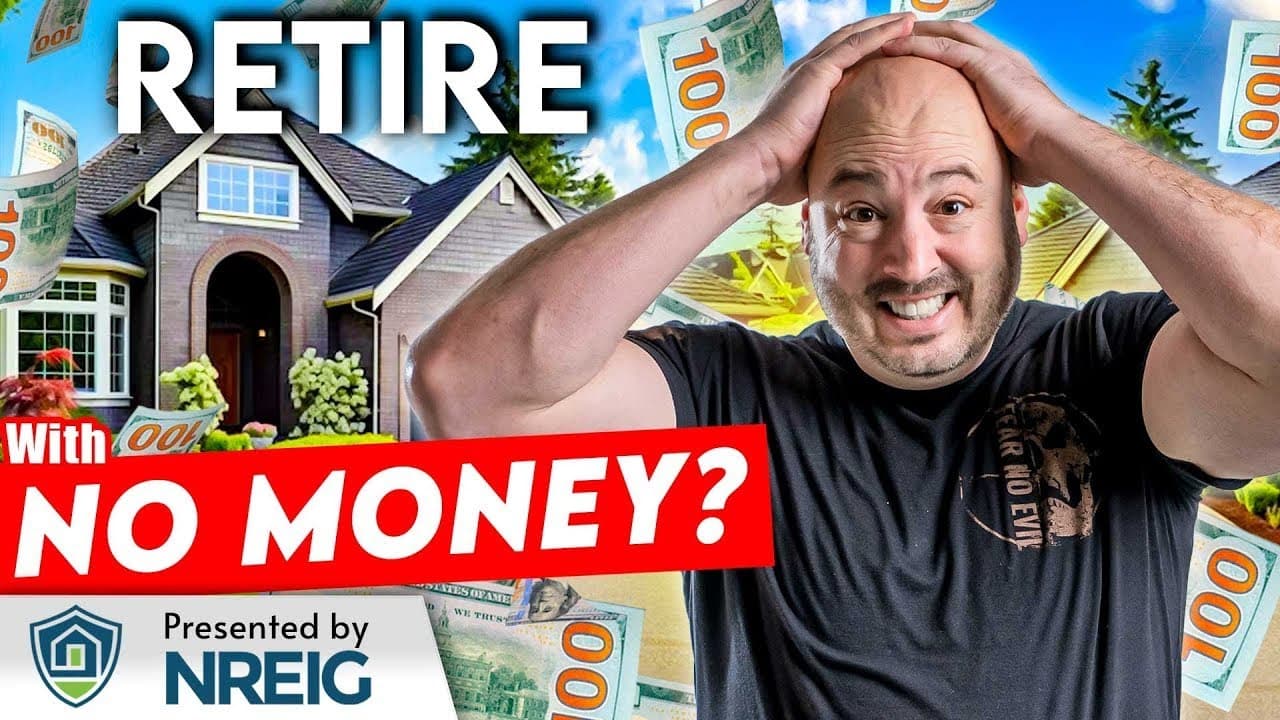
How to Retire Using Your Home Equity (Reverse Mortgages Explained)
TL;DR
Reverse mortgages can be a viable retirement option for some.
Transcript
what's going on everyone this is David Green your host of the Bigger Pockets podcast and mortgage Mondays I'll be joined by my partner and owner of the one brokerage Christian bashor and we are diving into a sometimes complicated but often talked about mortgage product reverse mortgages look at some point hopefully all of us are going to retire and... Read More
Key Insights
- Reverse mortgages allow homeowners to receive payments from lenders using their home equity, instead of making payments to a lender.
- They are suitable for retirees who have not saved enough and need to access their home equity without selling their property.
- A reverse mortgage can be taken as a lump sum, monthly payments, or a line of credit, with no monthly mortgage payments required.
- Homeowners must still pay property taxes and insurance, and the lender is not on the title of the home.
- Reverse mortgages have been reformed to eliminate predatory practices and are now backed by HUD, making them more secure.
- If a homeowner outlives the equity in the home, they can continue to receive payments, with any shortfall covered by an insurance fund.
- Heirs can still inherit the home, paying off the reverse mortgage balance with the proceeds from selling the property.
- Reverse mortgages do not affect Social Security or Medicare benefits, as the funds received are not considered taxable income.
Install to Summarize YouTube Videos and Get Transcripts
Explore YouTube Video Summarizer or Get YouTube Transcript Extractor
Questions & Answers
Q: What is a reverse mortgage?
A reverse mortgage is a financial product that allows homeowners to access the equity in their home by receiving payments from a lender. Instead of making monthly mortgage payments, the homeowner receives either a lump sum, monthly payments, or a line of credit, with no obligation to repay until they move out, sell, or pass away.
Q: Who can benefit from a reverse mortgage?
Retirees who have not saved enough for retirement and have significant home equity can benefit from a reverse mortgage. It allows them to access funds for living expenses without selling their home. It is particularly useful for those who do not want to burden family members with financial obligations or need funds for healthcare or other expenses.
Q: What are the requirements for obtaining a reverse mortgage?
To qualify for a reverse mortgage, the homeowner must be at least 62 years old and the property must be their primary residence. The homeowner must continue to pay property taxes and homeowners insurance, and maintain the home. The lender does not take ownership of the home, and the loan is secured against the home’s equity.
Q: How does a reverse mortgage affect inheritance?
Heirs can still inherit the home, but they must pay off the reverse mortgage balance. This can be done by selling the property and using the proceeds to settle the debt, or by refinancing the home with a new mortgage. Any remaining equity after the reverse mortgage is paid off is retained by the heirs.
Q: What are some myths about reverse mortgages?
Common myths include the belief that the lender takes ownership of the home, that payments can stop if the homeowner outlives the equity, and that reverse mortgages affect Social Security or Medicare benefits. In reality, the lender is not on the title, payments continue regardless of the home’s equity, and funds received are not considered taxable income.
Q: Can reverse mortgages be refinanced?
Yes, reverse mortgages can be refinanced if better terms become available or if a homeowner wishes to change the structure of their loan. There are no prepayment penalties, so homeowners can pay off the reverse mortgage at any time by selling the home or refinancing with a traditional mortgage.
Q: What safeguards are in place for reverse mortgages?
Reverse mortgages are now backed by HUD, ensuring they are highly regulated and secure. The loan is non-recourse, meaning the lender can only claim the home as collateral and not pursue other assets. Additionally, an insurance fund covers any shortfall if the loan balance exceeds the home’s value.
Q: Why do reverse mortgages have a bad reputation?
Reverse mortgages historically had a bad reputation due to predatory practices and misconceptions about the product. However, reforms and regulations by HUD have addressed these issues, making reverse mortgages a safer and more viable option for retirees needing to access their home equity.
Summary & Key Takeaways
-
Reverse mortgages provide a way for retirees to access their home equity without selling their property. They can receive a lump sum, monthly payments, or a line of credit. HUD now backs these loans, making them more secure and eliminating past predatory practices.
-
Homeowners must be 62 or older and use the property as their primary residence. They continue to pay property taxes and insurance, and the lender is not on the title. Heirs can inherit the home by paying off the reverse mortgage balance.
-
Reverse mortgages have been reformed to ensure payments continue even if the homeowner outlives the home’s equity, with shortfalls covered by an insurance fund. These loans do not impact Social Security or Medicare benefits.
Read in Other Languages (beta)
Share This Summary 📚
Summarize YouTube Videos and Get Video Transcripts with 1-Click
Try YouTube Summary with ChatGPT & Claude or YouTube Transcript Generator
Explore More Summaries from BiggerPockets 📚

Summarize YouTube Videos and Get Video Transcripts with 1-Click
Try YouTube Summary with ChatGPT & Claude or YouTube Transcript Generator