Ivan Krastev: Can democracy exist without trust?
TL;DR
In this thought-provoking speech, the speaker discusses the crisis of democracy, the decline in trust in democratic institutions, and the complexities of transparency and openness in politics.
Transcript
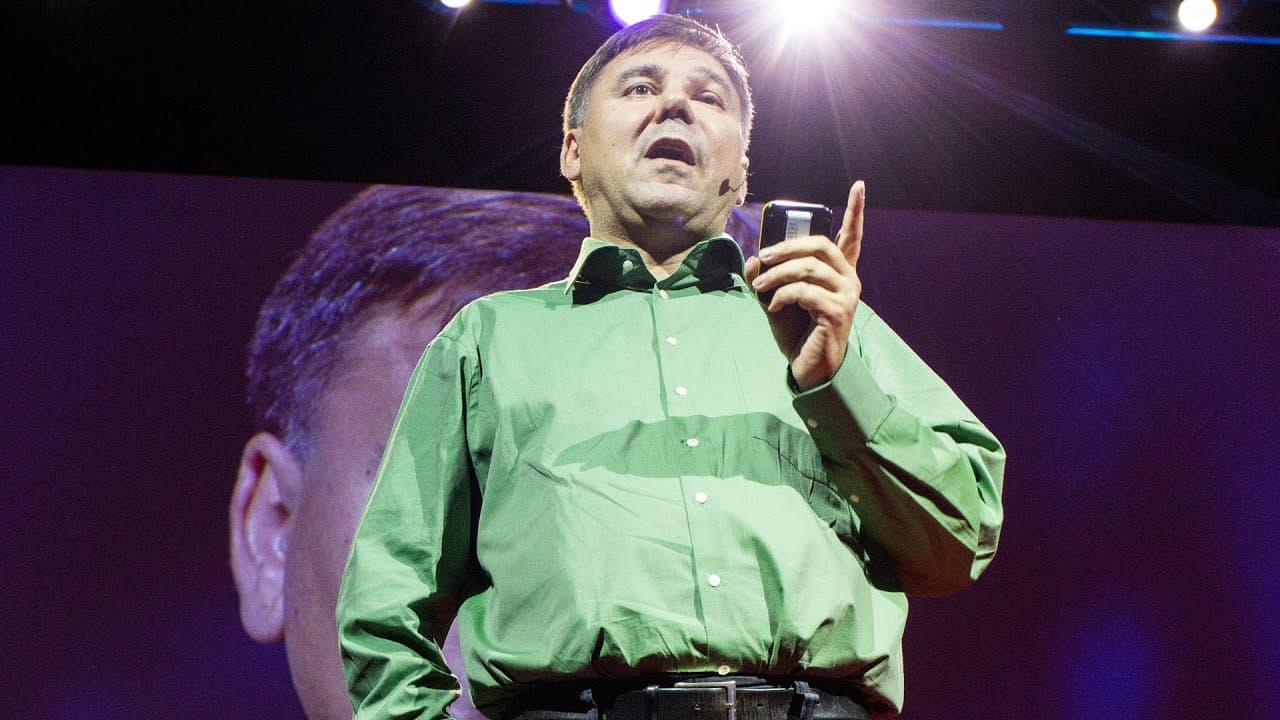
I'm afraid I'm one of those speakers you hope you're not going to meet at TED. First, I don't have a mobile, so I'm on the safe side. Secondly, a political theorist who's going to talk about the crisis of democracy is probably not the most exciting topic you can think about. And plus, I'm not going to give you any answers. I'm much more trying to a... Read More
Key Insights
- 🤔 Transparency and openness are not guaranteed solutions to restore trust in democratic institutions. They can sometimes contribute to a culture of mistrust and even create a "Big Brother" society.
- 🌍 Democracy is still considered the best form of government, but many people have lost faith in its ability to address their needs and concerns.
- 💔 The decline in electoral turnout and lack of interest in voting among the underprivileged is a significant problem, especially during times of economic crisis.
- 📈 Five revolutions have positively and negatively impacted democracy: cultural and social revolution of the 1960s and 1970s, market revolution of the 1980s, end of Communism in 1989, birth of the global world, and revolution in brain sciences.
- 🌐 The internet has empowered people in many ways, but it has also created echo chambers and political ghettos, making it difficult to understand perspectives different from our own.
- 💔 Inequality has increased along with the spread of democracy, which has caused disillusionment among voters and contributed to the decline in trust in politics.
- 🗺️ The end of the Cold War tore the social contract between elites and people, with the elites growing more powerful, unaccountable, and disconnected from the public.
- 💡 While transparency is important, it also comes with challenges like selective transparency and potential negative effects on political discourse and rational argumentation.
Install to Summarize YouTube Videos and Get Transcripts
Explore YouTube Video Summarizer or Get YouTube Transcript Extractor
Questions & Answers
Q: Why does the speaker believe that his topic on the crisis of democracy may not be the most exciting?
The speaker believes that his topic may not be the most exciting because he is a political theorist and not everyone finds discussions on the crisis of democracy to be engaging. Additionally, the speaker admits that he will not be providing any concrete answers but rather adding to the questions being discussed.
Q: What is the story the speaker shares about a rainy election day?
The speaker shares a story about a rainy election day in a small country where nobody went to the polling stations until the rain stopped in the afternoon. When the votes were counted, three-fourths of the people had voted with a blank ballot, sending a message that they had nobody to vote for. This story highlights the problem of people losing trust in democratic institutions and questioning the worth of participating in the democratic process.
Q: According to the speaker, what is the problem with trust in democratic institutions?
The speaker mentions that trust in democratic institutions has collapsed, particularly due to the growing gap between the opinion of the policy-makers and the opinion of the public. Surveys indicate that a significant percentage of European citizens believe their vote no longer matters and that governments can change but policies cannot. The economic crisis has further eroded trust in politics and democratic institutions.
Q: What are some revolutions that the speaker believes have contributed to both the success and failure of democracy?
The speaker identifies five revolutions that have both positively and negatively impacted democracy. These include the cultural and social revolution of the 1960s and 1970s, the market revolution of the 1980s, the end of Communism in 1989, the birth of the internet, and the revolution in brain sciences. While these revolutions have brought positive change and empowerment, they have also led to a decline in collective purpose, increased inequality, detachment of elites from voters, echo chambers in the digital world, and manipulation of emotions rather than reasoned decision-making.
Q: What does the speaker believe about the push for transparency in restoring trust in politics?
The speaker acknowledges that transparency and openness are popularly believed to restore trust in democratic institutions. However, he cautions that transparency is not about restoring trust but rather managing mistrust. While it can make it difficult for governments to lie, steal, or even kill, it also perpetuates a society based on mistrust. The speaker raises concerns about the impact of constant tracking on politicians' statements and the potential loss of rational argument and discussion in politics. Additionally, he warns that even transparency will always be selectively applied by governments.
Summary & Key Takeaways
-
The speaker is a political theorist discussing the crisis of democracy and questioning the popular belief that transparency and openness can restore trust in democratic institutions.
-
The decline in electoral turnout and the lack of trust in politics and democratic institutions is a major issue, especially during the economic crisis.
-
The speaker explores what went right and wrong with democracy in the past 50 years, including cultural and social revolutions, the market revolution, the end of the Cold War, the internet revolution, and brain sciences.
Read in Other Languages (beta)
Share This Summary 📚
Summarize YouTube Videos and Get Video Transcripts with 1-Click
Try YouTube Summary with ChatGPT & Claude or YouTube Transcript Generator
Explore More Summaries from TED 📚
Summarize YouTube Videos and Get Video Transcripts with 1-Click
Try YouTube Summary with ChatGPT & Claude or YouTube Transcript Generator