Henry IV, Part 1 | Act 1, Scene 2
TL;DR
Prince Hal engages in deception and honor, contrasting with the society's expectations.
Transcript
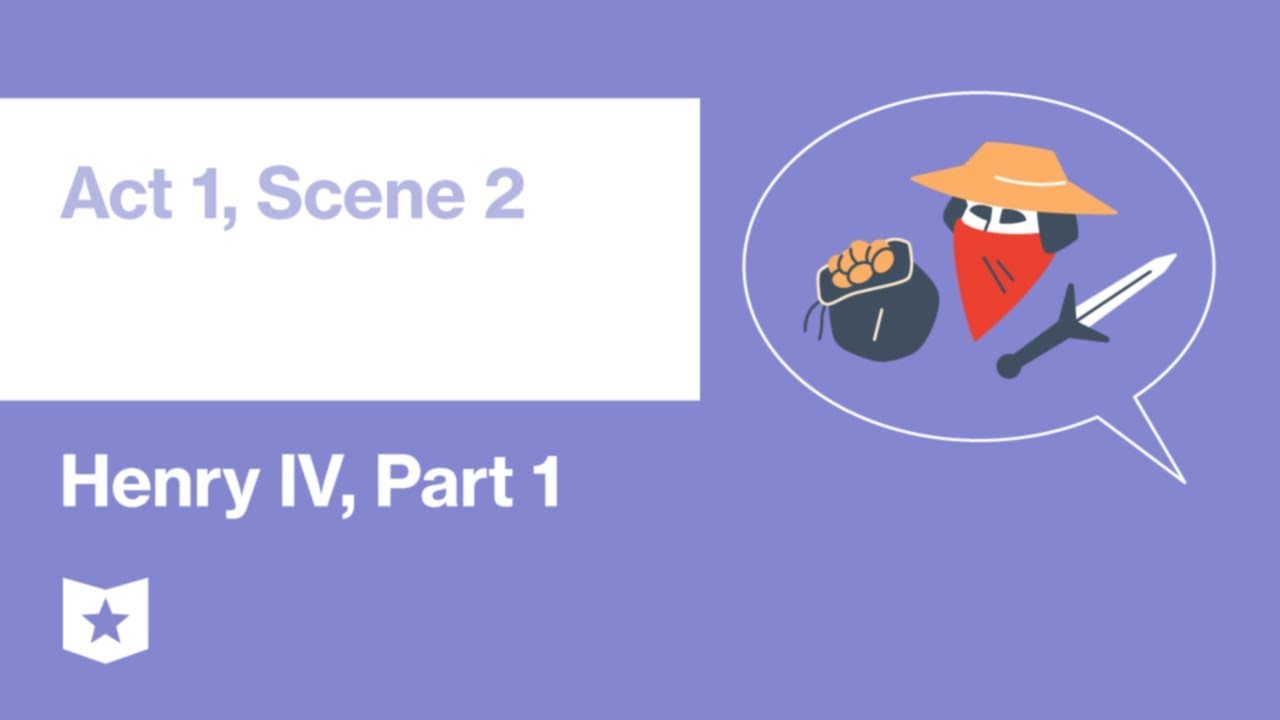
act 1 scene 2 of henry iv begins with prince hal and sir john falstaff launched into a series of jokes puns and insults prince hal teases falstaff for being a fat drunk falstaff defends his dishonesty calling robbery his profession their friend points who's also a highwayman or robber enters and tells them that he and a third thief godzilla are pla... Read More
Key Insights
- 🪛 Prince Hal's conflict between duty and personal desires drives the plot.
- 👨 Falstaff serves as a contrast to King Henry, representing a more relatable father figure.
- 🎑 The scene explores themes of appearance versus reality and deception versus honor.
- 😒 Shakespeare uses humor to provide depth and complexity to the characters.
- 😜 The planned prank on Falstaff symbolizes Hal's inner turmoil and desire for acceptance.
- 🤴 Prince Hal's transformation from a rebellious prince to a respected ruler is foreshadowed.
- 💀 The scene highlights the clash between order and rebellion, as well as father-son relationships.
Install to Summarize YouTube Videos and Get Transcripts
Explore YouTube Video Summarizer or Get YouTube Transcript Extractor
Questions & Answers
Q: How does Prince Hal's behavior reflect his inner conflict?
Prince Hal's association with thieves and his planned deception of Falstaff reveal his struggle between his royal duties and his desire for acceptance among commoners. This conflict drives his actions throughout the play.
Q: What role does Falstaff play in Prince Hal's life?
Falstaff serves as a surrogate father figure for Prince Hal, providing a contrast to his true father, King Henry. Their relationship symbolizes Hal's struggle between duty and personal freedom, as well as the tension between appearance and reality.
Q: What does the planned prank on Falstaff signify?
The prank symbolizes Prince Hal's willingness to deceive and manipulate his friends, reflecting his complex character. It also hints at his future transformation from a rebellious prince to a respected ruler, emphasizing the themes of order and honor.
Q: How does Shakespeare use humor in this scene?
Shakespeare employs witty dialogues, jokes, and playful banter between characters to provide comic relief. The humor serves to highlight the underlying tensions and conflicts within the characters, adding depth to the narrative.
Summary & Key Takeaways
-
Prince Hal and Sir John Falstaff exchange jokes and insults, setting the stage for deception and humor.
-
Prince Hal plans to prank Falstaff by pretending to rob him, showcasing his inner conflict between duty and association with lowlifes.
-
The scene highlights themes of appearance versus reality, father-son relationships, and the clash between honor and deception.
Read in Other Languages (beta)
Share This Summary 📚
Summarize YouTube Videos and Get Video Transcripts with 1-Click
Try YouTube Summary with ChatGPT & Claude or YouTube Transcript Generator
Explore More Summaries from Course Hero 📚


Summarize YouTube Videos and Get Video Transcripts with 1-Click
Try YouTube Summary with ChatGPT & Claude or YouTube Transcript Generator