10 Ways To Spot A Borderline Partner
TL;DR
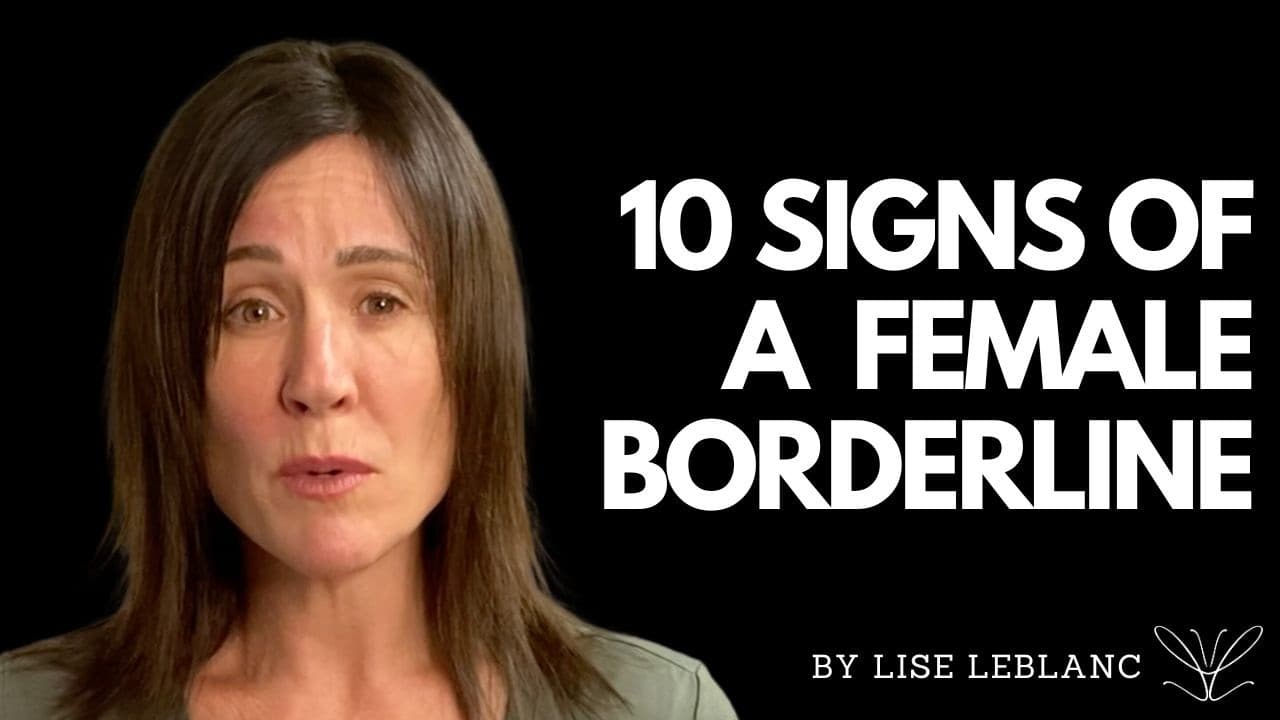
Learn how to identify 10 common red flags in romantic relationships with individuals with borderline personality disorder.
Transcript
Welcome! In this video, I'm talking about how to spot 10 red flags when it comes to a female with borderline personality disorder and I'm talking specifically about intimate romantic relationships and at the end of this video, I will give you my best advice on what to do if you are trying to please take a moment to click the subscribe butt... Read More
Key Insights
- 📪 Red flags in partners with borderline personality disorder can vary based on symptom severity and treatment status.
- 🥺 Emotional and communication breakdowns are common, often leading to extreme behaviors and fights.
- 🐢 Slowing down the relationship can help assess emotional stability and the ability to handle boundaries.
- ❓ Loyalty binds can isolate individuals from their support systems.
- 📪 Red flags may include idealization, intense sexual activity, strange questioning, emotional regression, self-harm, exaggerated apologies, and insatiable needs.
- 📪 Recognizing these red flags can help individuals make informed decisions in their relationships.
- 🧑⚕️ Seek support from mental health professionals specializing in personality disorders.
Install to Summarize YouTube Videos and Get Transcripts
Explore YouTube Video Summarizer or Get YouTube Transcript Extractor
Questions & Answers
Q: What are some common red flags to look out for in partners with borderline personality disorder?
Common red flags include idealization, intense sexual activity, strange questioning about past relationships, emotional regression, extreme emotional communication breakdowns, self-harm and suicidal tendencies, fostering loyalty binds, feeling lost in the relationship, and a constant need for more.
Q: How can slowing down a relationship help avoid getting involved with someone with untreated BPD?
Slowing down the relationship can trigger fears of abandonment and rejection in individuals with BPD, causing them to either pull away completely, engage in strange behavior, or make enticing propositions to disregard slowing down. This can help assess their emotional stability and how they handle boundaries.
Q: How can emotional communication breakdowns manifest in relationships with partners with BPD?
Emotional communication breakdowns can manifest as extreme emotional swings, deflection, projection, ultimatums, gaslighting, and other destructive tactics. These can escalate quickly and may lead to physical altercations in more severe cases.
Q: What is the importance of recognizing loyalty binds created by partners with BPD?
Partners with BPD may create scenarios and conflicts that require defending them to loved ones, isolating individuals from family and friends. It is important to understand and address these loyalty binds to maintain healthy relationships outside the romantic one.
Key Insights:
- Red flags in partners with borderline personality disorder can vary based on symptom severity and treatment status.
- Emotional and communication breakdowns are common, often leading to extreme behaviors and fights.
- Slowing down the relationship can help assess emotional stability and the ability to handle boundaries.
- Loyalty binds can isolate individuals from their support systems.
- Red flags may include idealization, intense sexual activity, strange questioning, emotional regression, self-harm, exaggerated apologies, and insatiable needs.
- Recognizing these red flags can help individuals make informed decisions in their relationships.
- Seek support from mental health professionals specializing in personality disorders.
- Understanding the complexities of BPD can help navigate relationships more effectively.
Summary & Key Takeaways
-
Red flags in partners with borderline personality disorder can vary depending on the severity of their symptoms and whether they are receiving treatment.
-
Some common red flags include idealizing the partner, intense and frequent sexual activity, strange questioning about past relationships, emotional regression, extreme emotional communication breakdowns, self-harm and suicidal tendencies, fostering loyalty binds, feeling lost in the relationship, and a constant need for more.
-
To avoid getting involved with someone with untreated borderline personality disorder, it is advised to slow down the relationship and prioritize your own needs.
Read in Other Languages (beta)
Share This Summary 📚
Summarize YouTube Videos and Get Video Transcripts with 1-Click
Try YouTube Summary with ChatGPT & Claude or YouTube Transcript Generator
Explore More Summaries from Lise Leblanc 📚



Summarize YouTube Videos and Get Video Transcripts with 1-Click
Try YouTube Summary with ChatGPT & Claude or YouTube Transcript Generator