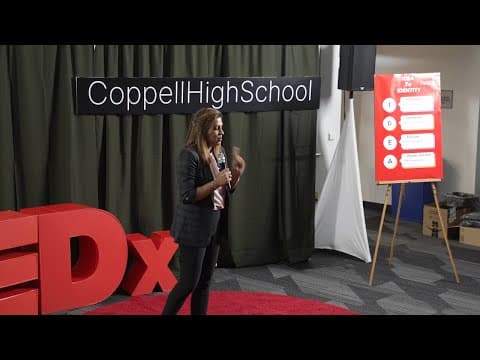
You are what you speak | Lana Kulas | TEDxYouth@HuiliShanghai
TL;DR
The speaker discusses the complexities of language, accents, and perceptions of native speakers.
Transcript
foree habbi good evening my name is Lana kulas and I have just greeted you in six languages a pre impressive right perhaps not so much because the total sum of my Arabic is what I just said which is peace be upon you thank you enough my love despite my apparent linguistic dexterity three of those languages are practically the same none of them are ... Read More
Key Insights
- 😋 The distinction between mother tongue and native speaker emphasizes varied language learning experiences, influenced heavily by personal history and context.
- 🙂 The speaker's language journey sheds light on the complexities of identity and how language acquisition is impacted by societal changes, such as the disintegration of Yugoslavia.
- 🤑 Accents can convey rich personal narratives, revealing the deep connections between language, culture, and individual identity.
- 🏛️ The preference for certain accents may indicate bias and underline societal values concerning education, social class, and language proficiency.
- 🥺 Misunderstandings in language learning often lead to humorous situations, showing that language acquisition is not just a technical skill but also a social experience.
- ✊ The speaker's successful navigation of English amidst challenges demonstrates resilience and the power of immersion in learning languages.
- 🌍 The need for a broader understanding of communication highlights the importance of recognizing and honoring linguistic diversity in a globalized world.
Install to Summarize YouTube Videos and Get Transcripts
Explore YouTube Video Summarizer or Get YouTube Transcript Extractor
Questions & Answers
Q: What personal experiences shaped the speaker's view on language and accents?
The speaker's view on language and accents is heavily influenced by their childhood experiences moving from Yugoslavia to England. Initially, they had to adapt to a new linguistic environment without a strong foundational knowledge of English. Their subsequent learning journey and humorous miscommunications in school further shaped their understanding of how language impacts identity and social interactions.
Q: How does the speaker define "mother tongue" and "native speaker"?
The speaker defines "mother tongue" as the language a person learns from childhood, whereas a "native speaker" speaks a language as their first language without having learned it as an adult. This distinction underscores their own experience of navigating various languages which were not learned naturally from an early age but were acquired later in life.
Q: Why does the speaker believe accent is an important aspect of identity?
The speaker views accent as a critical component of personal identity, arguing that it reflects our unique backgrounds. They suggest that accents signify cultural diversity and can be a source of pride. Rather than viewing accents as deficits, they advocate for embracing them as markers of rich linguistic heritage.
Q: How does the speaker feel about the biases associated with native English speakers?
The speaker expresses concern that the preference for native English speakers can reflect deeper societal biases regarding language proficiency and cultural identity. They highlight the irony in the assumption that non-native speakers are less capable, suggesting that such biases undermine the value of bilingualism and the experiences of multilingual individuals.
Q: What humorous anecdote does the speaker share about language misunderstandings?
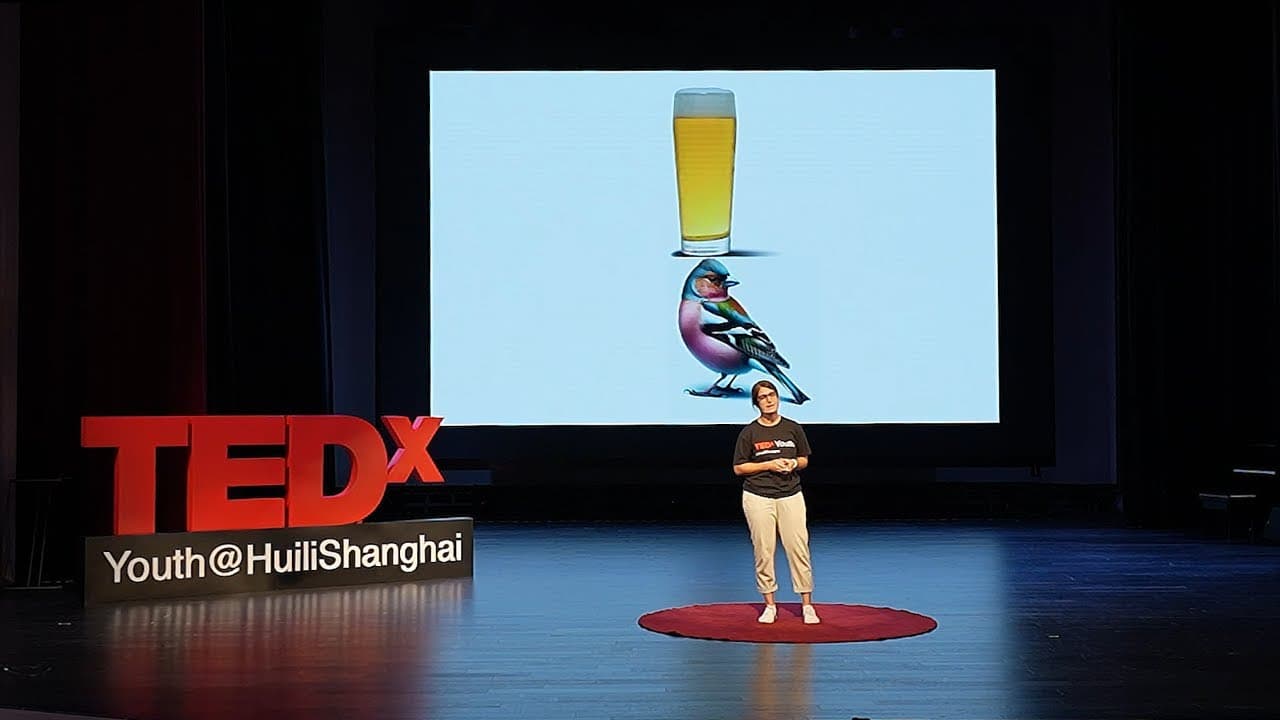
One amusing anecdote involves the speaker's university experience, where they misused the word "chaffinch," believing it referred to a serving platter, when it is actually a type of bird. This illustrates the challenges faced by those who are not native speakers, highlighting misunderstandings that arise from gaps in language proficiency.
Q: In what way does the speaker suggest we rethink the concept of a "native speaker"?
The speaker encourages a reevaluation of the term "native speaker," proposing that it may mask prejudices linked to accent and cultural identity. They argue that focusing on accent rather than language proficiency limits our appreciation for the diversity of communication and the unique perspectives that come with multilingualism.
Summary & Key Takeaways
-
The speaker reflects on their journey with language, revealing that they are not a native speaker of any language but have navigated multiple languages due to historical and personal circumstances.
-
Through humorous anecdotes, they illustrate the misunderstandings and challenges faced as a non-native English speaker, especially regarding cultural biases and assumptions about language proficiency.
-
They argue for a reevaluation of the term "native speaker," suggesting it may perpetuate biases and limit appreciation of linguistic diversity and the rich complexity of human communication.
Read in Other Languages (beta)
Share This Summary 📚
Summarize YouTube Videos and Get Video Transcripts with 1-Click
Try YouTube Summary with ChatGPT & Claude or YouTube Transcript Generator
Explore More Summaries from TEDx Talks 📚


Summarize YouTube Videos and Get Video Transcripts with 1-Click
Try YouTube Summary with ChatGPT & Claude or YouTube Transcript Generator