The Spirit Collection
TL;DR
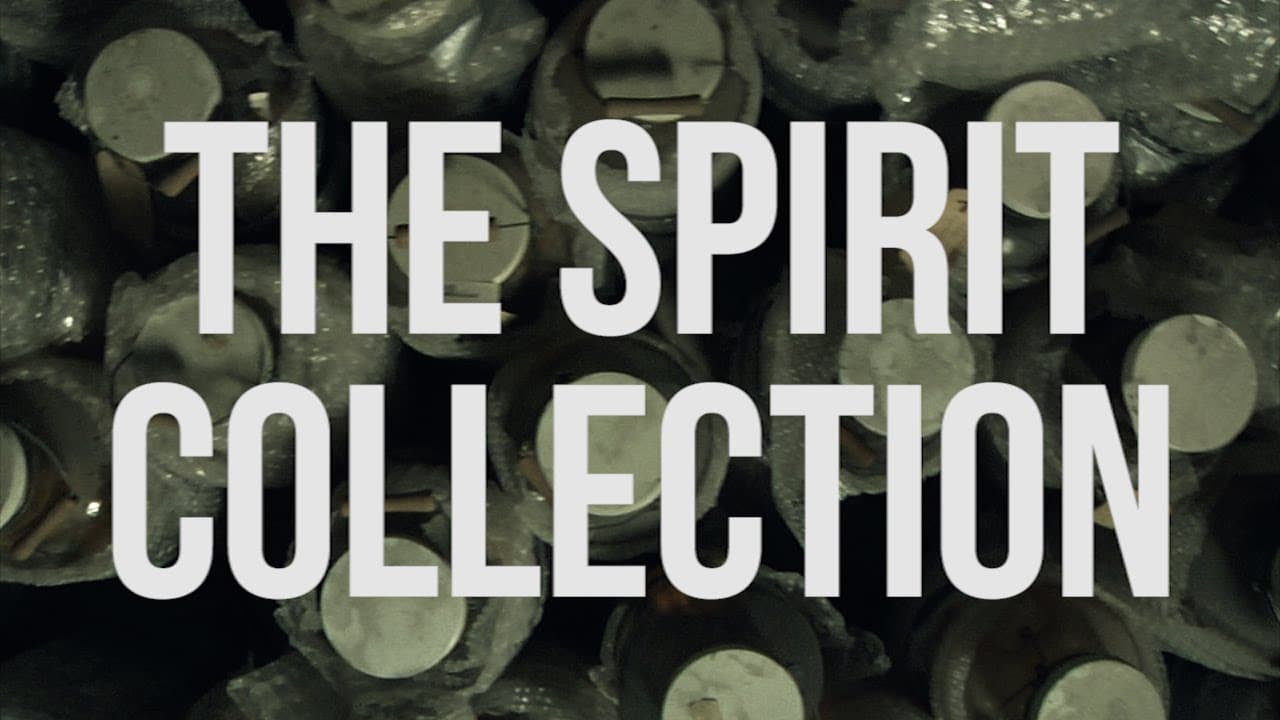
The video takes viewers on a tour of a basement filled with thousands of preserved specimens, highlighting the challenges of storing and preserving these items.
Transcript
So you have to walk across campus and then you walk through a locked janitor's closet and then you walk through a locked staircase that has a cage of wire around it and then you walk past some high powered electrical equipment and then you walk up some stairs and down some stairs and you get into this labyrinth-y place... So I mentioned that our ma... Read More
Key Insights
- 🥺 Museums often face storage challenges, leading to valuable specimens being stored in basements or other inaccessible areas.
- 😎 Leaded glass jars used for preservation become increasingly fragile and can endanger museum staff if not handled properly.
- 🛟 Wet prepped specimens, preserved using historical techniques, can last indefinitely if properly maintained.
- ❓ Some specimens are obtained from roadkill and require extraction from the mother's womb.
- 👯 The ideal situation for these specimens would be to display them in a museum, where people can appreciate their scientific and historical value.
- ⌛ The preservation techniques employed in museums have evolved over time to ensure longevity and accurate representation of specimens.
- 😀 Museums face the challenge of balancing limited exhibition space with the need to preserve vast collections.
Install to Summarize YouTube Videos and Get Transcripts
Explore YouTube Video Summarizer or Get YouTube Transcript Extractor
Questions & Answers
Q: Why are the specimens kept in the basement instead of being displayed?
The specimens were moved to make space for an office, and efforts are underway to find a suitable location for their display.
Q: What risks are associated with preserving specimens in leaded glass jars?
Leaded glass jars become brittle over time, posing a danger of shattering and exposing individuals to toxins and formaldehyde.
Q: How are wet prepped specimens preserved?
If done correctly, wet prepped specimens require minimal maintenance. This preservation technique dates back to Boyle's law and is effective for preserving tissues.
Q: Can the preserved specimens be consumed as alcohol?
While it is possible to make alcohol from preserved specimens, it is not recommended due to safety concerns.
Summary & Key Takeaways
-
The video showcases a basement containing 3,500 specimens that couldn't be displayed due to limited space in the museum.
-
The collection includes fish, lizards, reptiles, snakes, mammals, and even a fetal elk in a jar.
-
Many of the specimens are preserved in leaded glass jars, which pose risks due to their fragility and toxicity.
Read in Other Languages (beta)
Share This Summary 📚
Summarize YouTube Videos and Get Video Transcripts with 1-Click
Try YouTube Summary with ChatGPT & Claude or YouTube Transcript Generator
Explore More Summaries from thebrainscoop 📚



Summarize YouTube Videos and Get Video Transcripts with 1-Click
Try YouTube Summary with ChatGPT & Claude or YouTube Transcript Generator