The Grapes of Wrath by John Steinbeck | Chapter 14
TL;DR
The chapter discusses a social shift in the Western states, highlighting the conflict between individualism and community.
Transcript
in Chapter 14 of The Grapes of Wrath the western states are nervous under the beginning of change wealthy landowners are concerned focused only on results but not on causes so they worried about the growing labor party in new taxes but the causes are deeper yet simpler people hunger yearn for intellectual growth and desire to create humans are diff... Read More
Key Insights
- 🍇 Social change in The Grapes of Wrath reflects a shift from individualism to community-focused values.
- 🫚 Steinbeck critiques wealthy landowners who prioritize profits over understanding deep-rooted causes.
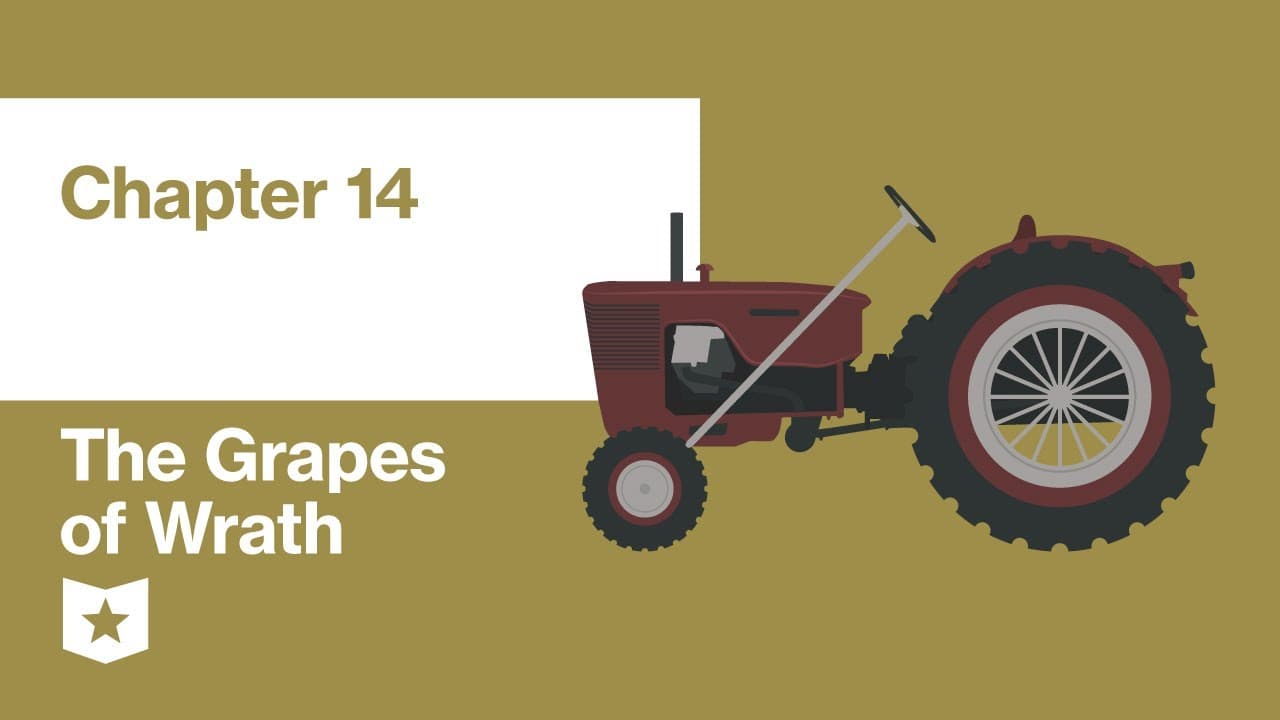
- 👪 The contrast between the tractor and migrant families symbolizes the struggle between selfishness and unity in society.
- ❓ The narrative highlights the innate human desire for growth, connection, and progress.
- 👪 Unity among migrant families demonstrates the strength found in community and collective action.
- 💱 The theme of individual versus community is central to understanding the dynamics of social change in the novel.
- 💦 Steinbeck emphasizes the importance of working together for the common good rather than pursuing selfish desires.
Install to Summarize YouTube Videos and Get Transcripts
Explore YouTube Video Summarizer or Get YouTube Transcript Extractor
Questions & Answers
Q: How does Steinbeck depict the concerns of wealthy landowners in Chapter 14 of The Grapes of Wrath?
In Chapter 14, Steinbeck shows how wealthy landowners are worried about the rise of the Labor Party and new taxes, focusing solely on results rather than understanding the deeper causes leading to social change.
Q: What concept does Steinbeck believe drives humans to progress in society?
Steinbeck argues that the human desire for intellectual growth, unity, and community drives individuals to take steps forward and improve life collectively, emphasizing the importance of working for the common good rather than selfish gains.
Q: What is the significance of the contrast between the tractor and unity among migrant families in the narrative?
The negative impact of tractors serving individualistic interests highlights the theme of selfishness, while the strength found in unified migrant families symbolizes the power of community and working together towards a common goal.
Summary & Key Takeaways
-
The chapter explores the tension between wealthy landowners focused on results and the deeper causes of social change.
-
Steinbeck emphasizes the human desire for growth, unity, and community over individualism.
-
The narrative contrasts the negative impact of tractors serving selfish interests with the strength found in unified migrant families.
Read in Other Languages (beta)
Share This Summary 📚
Summarize YouTube Videos and Get Video Transcripts with 1-Click
Try YouTube Summary with ChatGPT & Claude or YouTube Transcript Generator
Explore More Summaries from Course Hero 📚



Summarize YouTube Videos and Get Video Transcripts with 1-Click
Try YouTube Summary with ChatGPT & Claude or YouTube Transcript Generator