Gong Farmer (Worst Jobs in History)
TL;DR
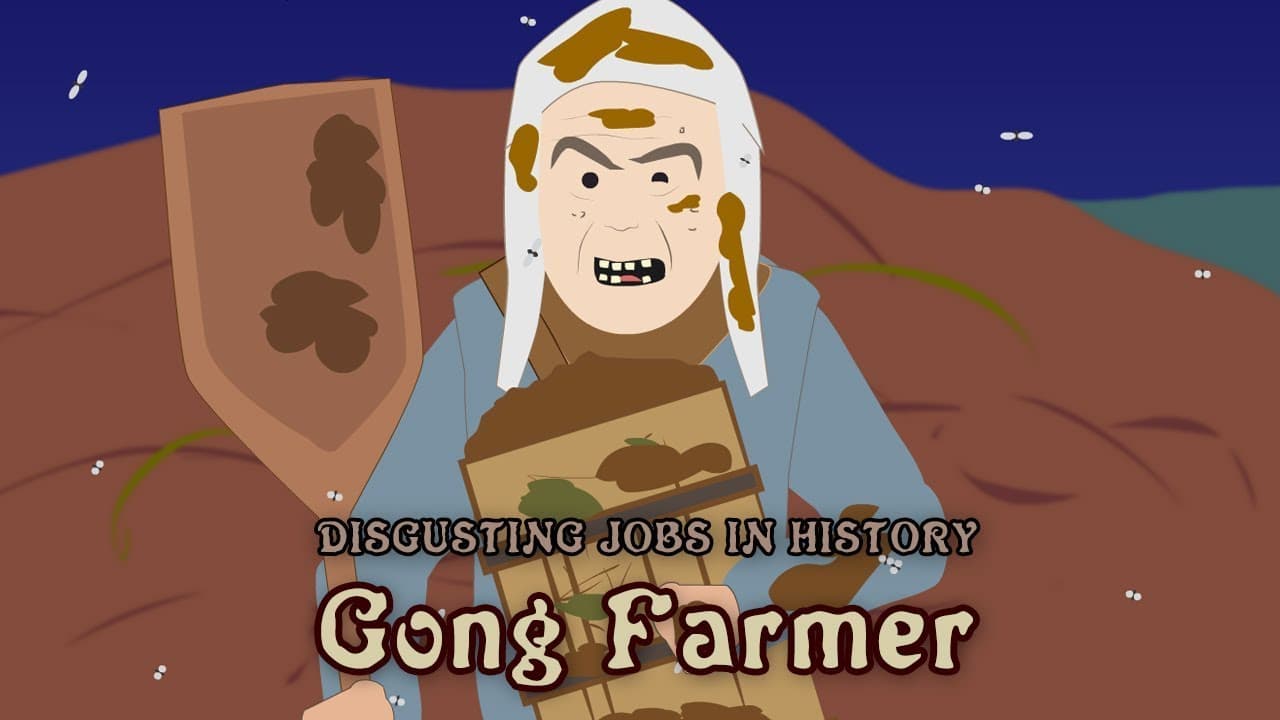
The gong farmer was a worker responsible for collecting and disposing of human waste in medieval England, facing health hazards and societal stigma.
Transcript
This episode is sponsored by Wix go to wix.com forward slash go forward slash simple history to create a website now Gong farmer Disgusting jobs in history a A job as disgusting as it was dangerous. Until the development of modern plumbing, the gong farmer filled an important role within communities. Like most professions centered on the upkeep of ... Read More
Key Insights
- 🧑🌾 Gong farmers, also known as nightmen, carried out the essential task of collecting and disposing of human waste in medieval England.
- 💦 Their work was shrouded in secrecy and performed during the night to avoid societal stigma.
- 🧑⚕️ Gong farming presented serious health hazards and poor working conditions, including risks of infection, sickness, and disease.
- 👷 The maintenance and construction of cesspits and latrines also posed hazards, such as the woodwork falling apart and trapping workers.
- 😳 The decline of gong farming came with the development of underground sewer systems and flush toilets, improving sanitation practices.
- 🖐️ Gong farming was a dangerous and disgusting job, but it played a vital role in maintaining the welfare and safety of communities.
- 🧑🌾 The gong farmer's profession slowly disappeared throughout the 19th century with the advancement of better sanitation practices and infrastructure.
Install to Summarize YouTube Videos and Get Transcripts
Explore YouTube Video Summarizer or Get YouTube Transcript Extractor
Questions & Answers
Q: How did gong farmers dispose of the waste they collected?
Gong farmers either transported the waste to larger cesspits located outside of the town or sold it as fertilizer to local farmers.
Q: What were the hazards and health risks faced by gong farmers?
Gong farmers faced increased risks of infection, sickness, and disease due to exposure to waste. Poor ventilation in cesspits could also lead to death from asphyxiation.
Q: How did the development of modern plumbing impact the need for gong farmers?
The development of underground sewer systems and flush toilets in the 19th century led to the decline of gong farming as better sanitation practices and infrastructure were established.
Q: How did gong farming affect the welfare and safety of the community?
Gong farmers played a crucial role in preventing the spread of disease within communities by ensuring the proper disposal of waste, preventing contamination of water supplies.
Summary & Key Takeaways
-
Gong farmers were essential in maintaining sanitation in medieval England by collecting and disposing of human waste from cesspits and latrines.
-
The job was done in secrecy during the night to avoid public sight, and the waste was either disposed of in larger cesspits or sold as fertilizer to local farmers.
-
Gong farming faced health hazards and poor working conditions, with risks of infection, sickness, disease, and poor ventilation leading to asphyxiation.
Read in Other Languages (beta)
Share This Summary 📚
Summarize YouTube Videos and Get Video Transcripts with 1-Click
Try YouTube Summary with ChatGPT & Claude or YouTube Transcript Generator
Explore More Summaries from Simple History 📚





Summarize YouTube Videos and Get Video Transcripts with 1-Click
Try YouTube Summary with ChatGPT & Claude or YouTube Transcript Generator