John Doerr: 700 Investments, 192 IPOs, 375,000+ Jobs Created
TL;DR
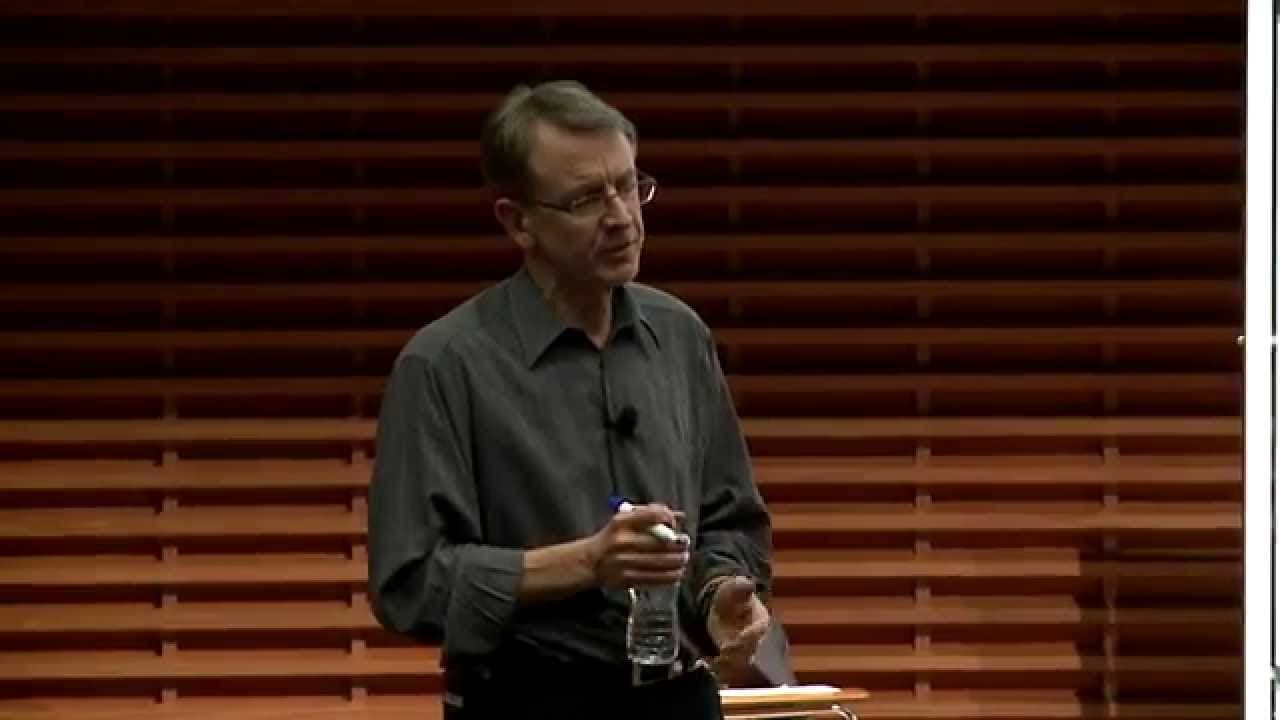
A venture capitalist discusses the current landscape of technology and entrepreneurship, emphasizing the importance of innovation, execution, and customer focus.
Transcript
[MUSIC] Really a pleasure to be back here and see you all on such a wonderful setting where we're above ground, and there's windows, and you can stretch your legs. My hope is that this time is your time, and we talk about topics that are really of interest to you. So this is going to be much more of a discussion, hopefully not a lecture and we'll d... Read More
Key Insights
- ❓ The technology industry offers significant opportunities for innovation and disruption.
- 🪛 Customer focus and execution are crucial drivers of success in the technology sector.
- 💻 The next big screen will be the second screen in the living room, integrating mobile devices with home entertainment systems.
- 🤩 Focusing on underserved markets and providing unique value propositions is key to entering saturated markets.
- 🖐️ Venture capital plays a vital role in funding startups and supporting innovation and entrepreneurship.
Install to Summarize YouTube Videos and Get Transcripts
Explore YouTube Video Summarizer or Get YouTube Transcript Extractor
Questions & Answers
Q: How can entrepreneurs enter saturated markets and disrupt established players?
The key to entering saturated markets is to identify an underserved segment or a displacement market. By focusing on customer needs and providing a unique value proposition, entrepreneurs can disrupt the market and gain a competitive edge.
Q: What sectors or industries are you not interested in investing in?
We avoid investing in relatively inconsequential anonymous social dating sites and hardware-based ventures. We focus on areas where we see significant market potential, scalability, and a strong team.
Q: What do you think will be the next big screen or technology?
The next big screen will likely be the second screen in the living room. This refers to the integration of mobile devices with home entertainment systems. Additionally, advancements in flexible display technologies will revolutionize screen displays.
Summary
This video features a discussion with John Doerr of Kleiner Perkins on various topics including career advice, new opportunities in different sectors, and the future of technology. Doerr highlights the value of gaining experience in rapidly growing companies, building strong networks, and focusing on creating meaning along with success. He also discusses the potential for disruption in industries such as education, healthcare, and enterprise software, as well as the opportunities in mobile payments and energy innovation.
Questions & Answers
Q: What impact has the production of unconventional natural gas had on clean tech investing and is Kleiner Perkins still bullish in that area?
The advancements in unconventional natural gas production have had an impact on clean tech investing, as it has reduced the demand for clean energy solutions. However, Kleiner Perkins is still optimistic about clean tech and believes there are still opportunities in the field.
Q: Why has mobile payments, especially NFC, not been widely adopted?
Mobile payments, specifically NFC, have not been widely adopted due to several factors such as lack of widespread availability of NFC-enabled devices, compatibility issues, and the need for cooperation between different stakeholders in the payment ecosystem. However, there is potential for growth in the future as technology and consumer behavior continue to evolve.
Q: Who is the CEO that you think is doing most things right, and what are those things?
Doerr mentions that he has many favorite CEOs, but doesn't mention specific names. However, he believes that successful CEOs are those who are able to build and lead high-performing teams, have a long-term vision, focus on customer satisfaction, and create a culture of mentorship and coaching.
Q: How did your career at Intel add value to your career as a venture capitalist, and would you do it again?
Doerr explains that his experience at Intel was formative and had a significant impact on his career as a venture capitalist. He learned valuable management practices, such as objectives and key results, from the well-run company. He believes that having operating experience in a rapidly growing company helps in understanding the challenges and opportunities faced by entrepreneurs. He would definitely do it again.
Q: What advice did you give the president as part of your advisory role, and how much of it did he take?
Doerr humorously mentions that he can only answer part of the question about advising the president. He doesn't go into specifics but implies that some of his advice was taken by the president.
Q: How do you view the difference between traditional venture capital funds and the new trend of establishing websites and servers for a much lower cost?
Doerr clarifies that when he said it takes $25 million to develop a VC career, he meant that being a successful VC requires taking risks and being prepared to lose money. The cost of establishing a venture capital fund has decreased with the advent of technologies like cloud computing and lower costs for websites and servers. However, the risks and challenges of being a successful VC remain the same.
Q: In venture capital, where feedback cycles are long, how do you know if you're doing a good job on a shorter timeline?
Doerr acknowledges that the long feedback cycles in venture capital can be frustrating, but he advises measuring project progress along the way. This can include setting goals for audience growth, revenue, and technical milestones and regularly reviewing progress. There may not always be clear indicators of success, but focusing on measurable metrics can help monitor progress.
Q: What do VCs think of the Jobs Act and the inclusion of non-accredited investors in the VC world?
Doerr mentions the Jobs Act, which opened up the possibility for non-accredited investors to participate in venture capital. He doesn't provide a definitive answer but implies that the VC community may have mixed opinions about this change in policy and regulation.
Q: What are your thoughts on the current market and do you have any hot stock tips or sectors you're bullish on?
Doerr jokes about not having to answer all the questions listed on the board. However, he mentions that the market is constantly changing and it's important to stay informed and knowledgeable about different sectors. He believes that there are exciting opportunities in digital education, energy, and other innovative fields.
Q: What is your vision on what venture capital can do to support the development of new therapeutics in the face of the "valley of death"?
Doerr acknowledges the challenge of funding the development of new therapeutics, which requires significant capital. He believes that venture capital can play a role in bridging the "valley of death" by investing in promising and innovative startups in the biotech and pharmaceutical sectors. However, he doesn't provide specific details or strategies.
Q: Are there currently enough ambitious startups around, or is there a need for more disruptive companies?
Doerr expresses the need for more ambitious and disruptive startups. He believes that there is always room for entrepreneurs who want to make a big impact and change the world. He encourages those with a passion for innovation to pursue their ideas and aims to make a significant difference.
Takeaways
In this video, John Doerr of Kleiner Perkins provides valuable career advice for MBA students, emphasizing the importance of gaining experience, networking, and being a part of high-performance teams. He highlights opportunities in various sectors, including digital education, energy, and mobile payments. Doerr also discusses the role of venture capital in supporting innovation and entrepreneurship, while acknowledging the challenges and risks involved. Overall, he encourages entrepreneurs to pursue disruptive ideas and make a meaningful impact.
Summary & Key Takeaways
-
The speaker, a venture capitalist, discusses various topics including the growth of mobile devices, the next big thing in technology, the challenges of investing in saturated markets, and the impact of natural gas on clean tech investing.
-
He emphasizes the importance of focusing on the customer rather than the competition and highlights the need to have technical expertise in order to succeed in the technology industry.
-
The speaker also discusses the role of venture capital in funding startups and the importance of execution in driving success.
-
He shares insights on the future of technology, including the rise of cloud computing, wearable devices, and the transformation of education through online platforms.
Read in Other Languages (beta)
Share This Summary 📚
Summarize YouTube Videos and Get Video Transcripts with 1-Click
Try YouTube Summary with ChatGPT & Claude or YouTube Transcript Generator
Explore More Summaries from Stanford Graduate School of Business 📚
Summarize YouTube Videos and Get Video Transcripts with 1-Click
Try YouTube Summary with ChatGPT & Claude or YouTube Transcript Generator