How to Fall Asleep Faster: 5 Proven Tips for Better Sleep
TL;DR
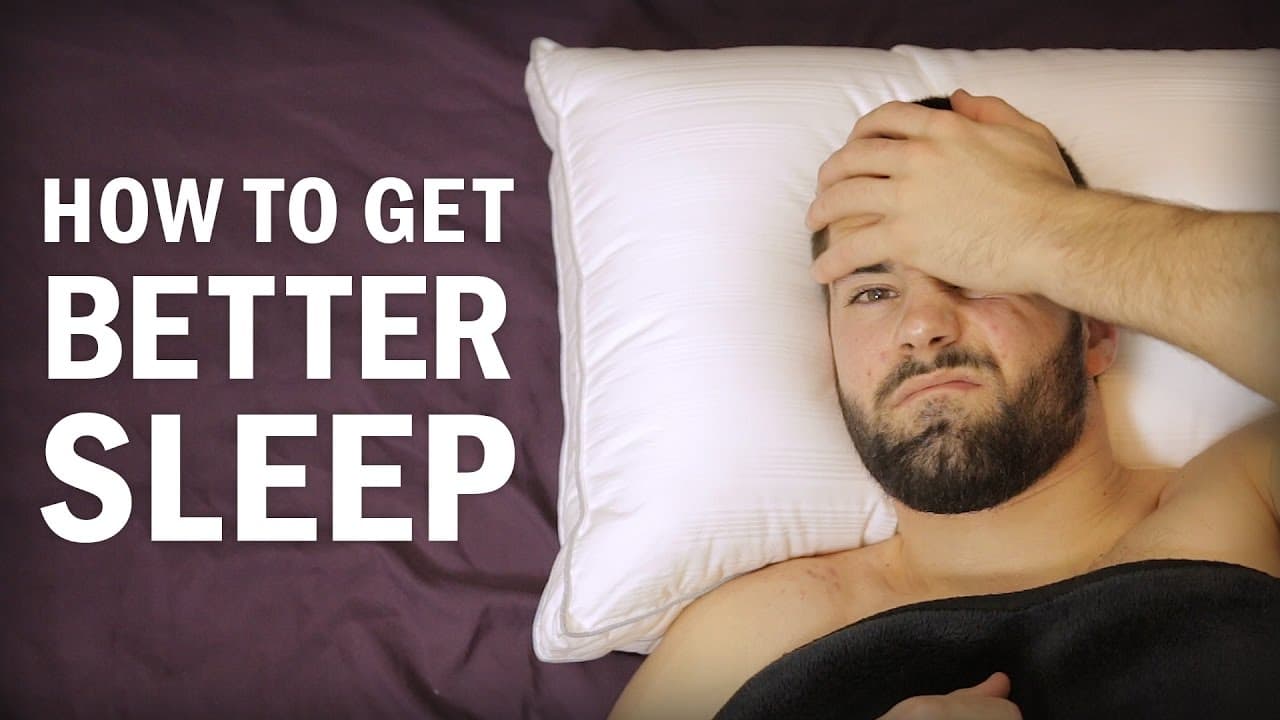
To fall asleep faster, limit caffeine intake at least six hours before bed, exercise earlier in the day, and reduce blue light exposure from screens. Enhance your sleep environment by optimizing pillow comfort, keeping the room cool (60-67°F), and eliminating ambient light and noise. Consider using audiobooks or white noise to aid the transition to sleep.
Transcript
I'm gonna be honest, I'm not a particular fan of sleep. As a pretty ambitious guy with a lot of ideas and a to-do list about a million miles long and nowhere near a thousand hours in Overwatch yet, I get pretty frustrated every time I realize that I have to spend a third of every single day asleep. But, just like a car needs regular oil changes to ... Read More
Key Insights
- 😪 Caffeine can disrupt sleep even if consumed hours before bedtime.
- 🤨 Exercising in the evening can raise body temperature and stress levels, making it harder to fall asleep.
- 🩵 Blue light from screens suppresses melatonin secretion, affecting sleep quality.
- ⏰ Avoid looking at alarm clocks during the night to prevent stress and difficulty falling back asleep.
- 😪 Sleep environment, including pillow choice, temperature, light, and sound, can greatly impact sleep quality.
- 😪 Replacing pillows regularly and selecting the right pillow for your sleep position is important for comfort and cleanliness.
- 😪 Cooler room temperatures (between 60-67°F) are optimal for sleep.
- 🙂 Reducing ambient light and using blackout curtains can help create a dark sleeping environment.
- 😪 Using gentle, consistent sound or white noise can help mask external noises and promote sleep.
- 😀 Audiobooks and apps like Audible can be relaxing alternatives to screens for falling asleep.
Install to Summarize YouTube Videos and Get Transcripts
Explore YouTube Video Summarizer or Get YouTube Transcript Extractor
Questions & Answers
Q: Can caffeine disrupt your sleep even if consumed hours before bedtime?
Yes, a study found that caffeine can disrupt your sleep up to six hours before bed, so it is recommended to cut down on caffeine early in the day if you want a good night's sleep.
Q: Does exercising in the evening affect sleep quality?
Exercising raises your body temperature and places stress on your central nervous system, making it harder to fall asleep. It is advisable to schedule your workouts earlier in the day.
Q: How does blue light from screens affect sleep?
Blue light suppresses melatonin secretion, making it harder to fall asleep. It is recommended to turn off screens before bedtime or use apps that reduce blue light emission.
Q: How can alarm clocks affect sleep?
If you wake up during the night and see the time remaining before you have to wake up, it can cause stress and make it harder to go back to sleep. Turning away or blocking the view of your alarm clock can prevent this.
Summary & Key Takeaways
-
Caffeine can disrupt your sleep, even if consumed six hours before bed.
-
Exercising in the evening can raise your body temperature and stress levels, making it harder to fall asleep.
-
Blue light emitted from screens can hinder melatonin secretion and disrupt your sleep cycle.
Read in Other Languages (beta)
Share This Summary 📚
Summarize YouTube Videos and Get Video Transcripts with 1-Click
Try YouTube Summary with ChatGPT & Claude or YouTube Transcript Generator
Explore More Summaries from Thomas Frank 📚



Summarize YouTube Videos and Get Video Transcripts with 1-Click
Try YouTube Summary with ChatGPT & Claude or YouTube Transcript Generator