The promise of genetics to cure disease
TL;DR
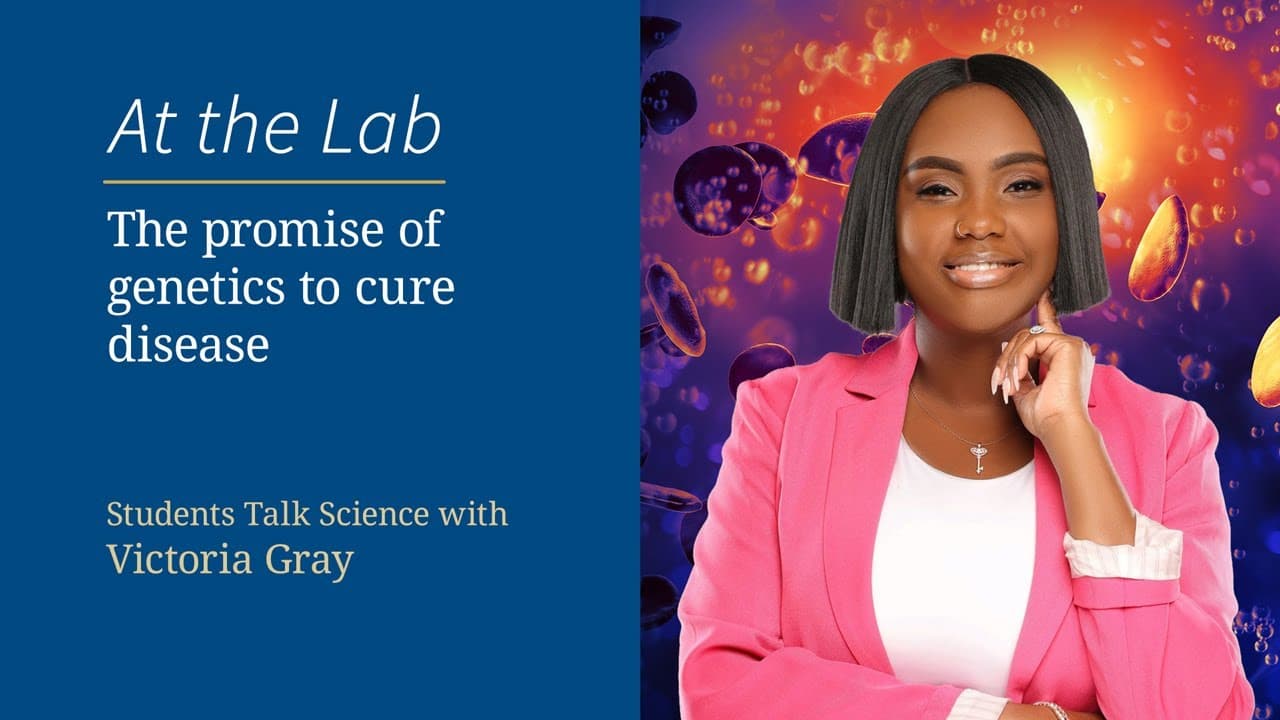
Victoria Gray shares her experience with CRISPR treatment for sickle cell disease.
Transcript
Okay, everybody. Hi. Good afternoon, I think, yes. My name is Jason Williams. I'm one of the Assistant Directors here at the Cold Spring Harbor DNA Learning Center. And I think we're going to go ahead and get started. I am very, very pleased to introduce Mrs. Victoria Gray, who has joined us and she's going to tell you all about her inspiring story... Read More
Key Insights
- Victoria Gray was the first individual to undergo CRISPR gene-editing treatment for sickle cell disease, which transformed her life significantly.
- Before the treatment, Victoria experienced severe pain and frequent hospitalizations due to sickle cell disease, impacting her quality of life and independence.
- The CRISPR treatment process involved editing her genome to reactivate fetal hemoglobin production, which alleviated her symptoms without the risk of graft versus host disease.
- Victoria emphasizes the importance of accessibility and affordability of CRISPR technology for all patients, highlighting the current high costs as a barrier.
- Misconceptions about CRISPR, such as the fear of being injected with viruses or gaining superpowers, are addressed by Victoria, who clarifies the science behind her treatment.
- Her family initially had fears about the treatment, but Victoria's determination and faith helped her make the decision and gain their support.
- Post-treatment, Victoria has gained independence, is able to work full-time, and actively participates in her family and community life.
- Victoria advocates for patients considering CRISPR treatment to ask questions, seek support, and make informed decisions about their health options.
Install to Summarize YouTube Videos and Get Transcripts
Explore YouTube Video Summarizer or Get YouTube Transcript Extractor
Questions & Answers
Q: What was Victoria Gray's initial reaction to being the first person to undergo CRISPR treatment for sickle cell disease?
Victoria was initially nervous when she learned she would be the first person to undergo CRISPR treatment for sickle cell disease. However, after understanding the procedure and potential outcomes, she decided to proceed, driven by her faith and the possibility of a significant improvement in her quality of life.
Q: How did Victoria Gray's life change after the CRISPR treatment?
After the CRISPR treatment, Victoria experienced a dramatic improvement in her health. She no longer suffers from the severe pain crises associated with sickle cell disease and has gained independence, allowing her to work full-time, participate in family activities, and travel, which were previously impossible due to her condition.
Q: What are some misconceptions about CRISPR technology that Victoria Gray addressed?
Victoria addressed misconceptions such as the belief that CRISPR involves injecting patients with viruses like HIV or that it could give patients superpowers. She clarified that her treatment involved editing a specific part of her genome to reactivate fetal hemoglobin production, without any such risks or outcomes.
Q: What challenges did Victoria Gray face before her CRISPR treatment?
Before her CRISPR treatment, Victoria faced frequent and severe pain crises due to sickle cell disease, resulting in long hospital stays and a significant loss of independence. She was unable to perform daily activities, work, or participate fully in her family's life, which was emotionally and physically challenging.
Q: How did Victoria Gray's family react to her decision to undergo CRISPR treatment?
Victoria's family initially had fears and concerns about the newness and potential risks of the CRISPR treatment. However, after Victoria expressed her determination and the need for a better quality of life, her family supported her decision, understanding the potential benefits outweighed the risks.
Q: What does Victoria Gray hope for the future of CRISPR technology accessibility?
Victoria hopes that CRISPR technology becomes more affordable and accessible to all patients who need it. She emphasizes the importance of collaboration among governments, insurance companies, and healthcare providers to ensure equitable distribution of this life-changing technology, especially in regions heavily impacted by sickle cell disease.
Q: What advice does Victoria Gray give to other patients considering CRISPR treatment?
Victoria advises patients considering CRISPR treatment to ask questions, seek information, and make informed decisions based on their personal health needs. She encourages patients to consult with healthcare providers and not to be swayed by misconceptions or fear, emphasizing the importance of self-advocacy in healthcare decisions.
Q: How did Victoria Gray describe the CRISPR treatment process?
Victoria described the CRISPR treatment process as involving the collection and editing of her stem cells to reactivate fetal hemoglobin production. This process included chemotherapy to prepare her body, followed by the infusion of edited cells. She experienced side effects like mucositis but ultimately found the treatment to be life-changing.
Summary & Key Takeaways
-
Victoria Gray shares her transformative experience as the first person to undergo CRISPR gene-editing for sickle cell disease. Her journey highlights the challenges she faced before treatment and the new opportunities she gained afterward. Victoria emphasizes the importance of making CRISPR technology accessible to all who need it.
-
The CRISPR treatment reactivated fetal hemoglobin production in Victoria's body, relieving her from the debilitating symptoms of sickle cell disease. She discusses the misconceptions surrounding CRISPR and the critical role of informed decision-making for patients considering this treatment.
-
Victoria's story underscores the life-changing impact of CRISPR technology, allowing her to regain independence, work full-time, and actively engage in her family and community. She encourages collaboration to make this technology affordable and accessible globally.
Read in Other Languages (beta)
Share This Summary 📚
Summarize YouTube Videos and Get Video Transcripts with 1-Click
Try YouTube Summary with ChatGPT & Claude or YouTube Transcript Generator
Explore More Summaries from Cold Spring Harbor Laboratory 📚
Summarize YouTube Videos and Get Video Transcripts with 1-Click
Try YouTube Summary with ChatGPT & Claude or YouTube Transcript Generator