Visceral Fat Doctor: The 4 Types of Belly Fat & How to Lose it for Good - Dr. Sean O’Mara
TL;DR
Visceral fat is harmful and can be reduced through specific lifestyle changes.
Transcript
and so they shoot these bullets but you never know you're being shot they're micro bullets so they're shooting you all day long while this is inside of you and it's the influence the collective harm that those bullets have over a period of time that really causes the damage so what does that mean um a really good ill... Read More
Key Insights
- Visceral fat is a harmful type of fat that is not well understood by many, including medical professionals, and is not typically covered in medical school curricula.
- There are four main types of harmful fat: visceral fat, muscle fat, deep subcutaneous fat, and heart fat, all of which contribute to inflammation and disease.
- Good fat, such as brown adipose tissue and superficial subcutaneous fat, can be beneficial and aid in reducing inflammation and disease risk.
- Stress, poor sleep, processed foods, alcohol, and certain types of exercise are major contributors to the accumulation of visceral fat.
- High-intensity, short-duration exercises, such as sprinting, are effective in reducing visceral fat and improving overall health.
- Certain personality traits, such as high motivation and drive, can influence the effectiveness of lifestyle changes in reducing visceral fat.
- Improved blood flow, enhanced by nitric oxide production, is crucial for overall health and can be achieved through specific lifestyle practices.
- The microbiome may play a role in motivation and exercise habits, with certain microbes being associated with higher levels of physical activity.
Install to Summarize YouTube Videos and Get Transcripts
Explore YouTube Video Summarizer or Get YouTube Transcript Extractor
Questions & Answers
Q: What is visceral fat and why is it harmful?
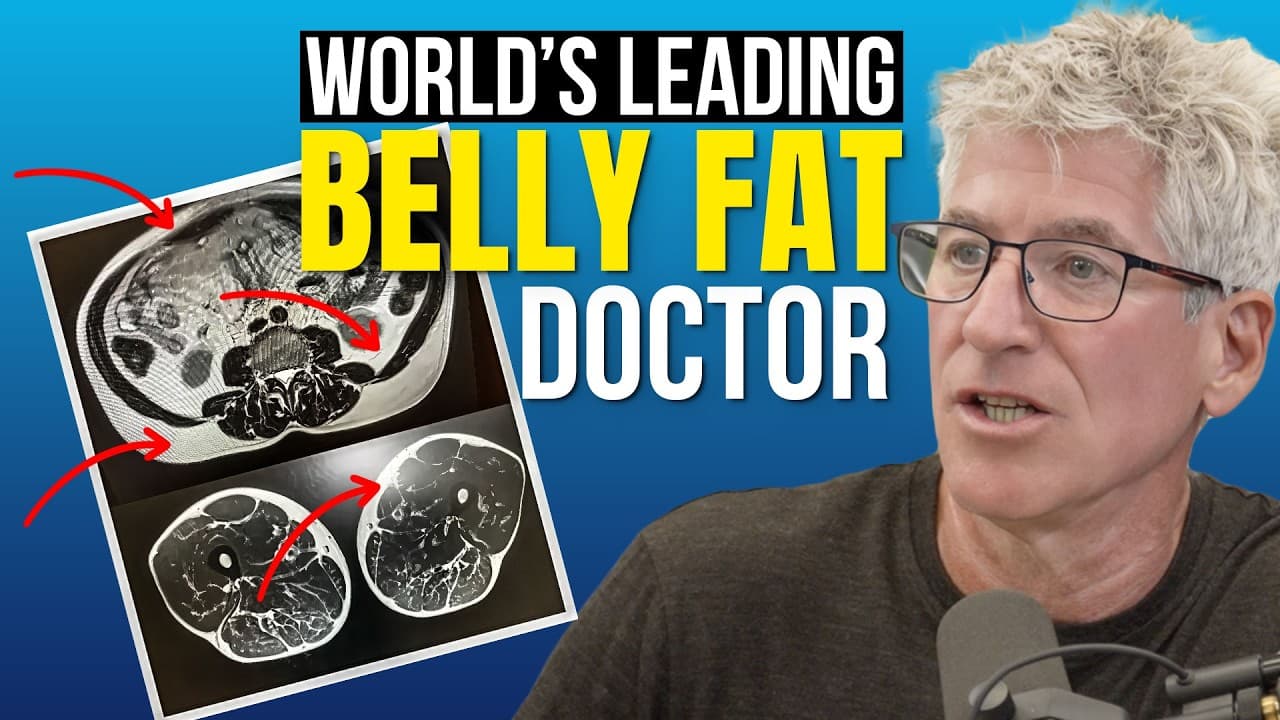
Visceral fat is a type of fat stored within the abdominal cavity and is considered harmful due to its association with inflammation and chronic diseases. Unlike subcutaneous fat, visceral fat surrounds vital organs and secretes inflammatory molecules that can lead to health issues such as heart disease, diabetes, and cognitive decline. It is often not covered in medical education, making it less understood by both patients and healthcare professionals.
Q: How can visceral fat be identified and measured?
Visceral fat can be identified and measured using imaging techniques like MRI, which provide a visual representation of fat distribution in the body. On an MRI, visceral fat appears as white areas within the abdominal cavity. Additionally, physical measurements such as abdominal diameter can give a rough indication of visceral fat levels, though they are not as precise as imaging methods. Understanding these measures can help individuals and healthcare providers assess and address visceral fat accumulation.
Q: What are the main contributors to visceral fat accumulation?
The main contributors to visceral fat accumulation include stress, poor sleep, consumption of processed foods and carbohydrates, alcohol intake, and certain types of exercise, particularly long-duration, low-intensity activities. These factors can lead to increased storage of visceral fat due to hormonal and metabolic changes. Addressing these contributors through lifestyle modifications can help reduce visceral fat levels and improve overall health.
Q: What lifestyle changes can help reduce visceral fat?
Lifestyle changes that can help reduce visceral fat include engaging in high-intensity, short-duration exercises such as sprinting, improving sleep quality, managing stress, and reducing the intake of processed foods and alcohol. These changes promote metabolic health and reduce the inflammatory processes associated with visceral fat. Additionally, incorporating practices that enhance nitric oxide production, such as sun exposure and sauna use, can improve blood flow and further aid in reducing visceral fat.
Q: How does motivation and personality affect the reduction of visceral fat?
Motivation and personality traits, such as being driven and goal-oriented, can significantly affect the reduction of visceral fat. Individuals with high motivation are more likely to adhere to lifestyle changes and achieve better health outcomes. These traits influence the willingness to engage in high-intensity exercises and make dietary adjustments. Additionally, spending time with motivated individuals can positively impact one's own motivation and health behaviors through social and microbial interactions.
Q: What role does the microbiome play in exercise habits and motivation?
The microbiome may play a role in exercise habits and motivation by influencing the presence of certain microbial species associated with physical activity. Studies have shown that individuals who exercise regularly have distinct microbial profiles compared to those who do not. This suggests that the microbiome could contribute to motivation levels and the propensity to engage in physical activity. Interactions with others who have healthy microbiomes can also positively influence one's own microbial composition and motivation.
Q: What are the benefits of improving blood flow for overall health?
Improving blood flow is crucial for overall health as it enhances tissue perfusion, nutrient delivery, and waste removal at the cellular level. Enhanced blood flow can be achieved through practices that increase nitric oxide production, such as high-intensity exercise, sun exposure, and sauna use. Improved blood flow supports cardiovascular health, cognitive function, and physical performance. It also aids in reducing inflammatory fat deposits and associated health risks, contributing to a higher quality of life.
Q: How can individuals assess their own health improvements?
Individuals can assess their health improvements by monitoring changes in physical appearance, performance metrics, and physiological indicators such as skin turgor and visible pulses. Paying attention to how quickly the skin snaps back, the visibility of blood flow, and overall energy levels can provide insights into health progress. Additionally, tracking reductions in visceral fat through imaging or physical measurements can offer tangible evidence of health improvements. Regular self-assessment and attention to body signals are key to understanding and enhancing health.
Summary & Key Takeaways
-
Visceral fat is a type of harmful fat that is often overlooked in medical education but has significant health implications. It contributes to inflammation and is linked to various chronic diseases. Understanding and reducing visceral fat is crucial for improving health and quality of life.
-
There are four main types of harmful fat: visceral fat, muscle fat, deep subcutaneous fat, and heart fat. These fats secrete inflammatory molecules that can lead to disease. In contrast, beneficial fats like brown adipose tissue and superficial subcutaneous fat can help reduce inflammation.
-
Effective strategies for reducing visceral fat include high-intensity exercises, stress management, and dietary changes. Motivation and personality traits also play a role in how effectively individuals can implement these changes. The microbiome may also influence exercise habits and motivation.
Read in Other Languages (beta)
Share This Summary 📚
Summarize YouTube Videos and Get Video Transcripts with 1-Click
Try YouTube Summary with ChatGPT & Claude or YouTube Transcript Generator
Explore More Summaries from Thomas DeLauer 📚




Summarize YouTube Videos and Get Video Transcripts with 1-Click
Try YouTube Summary with ChatGPT & Claude or YouTube Transcript Generator