What Are the Problems with Beach Nourishment Strategies?
TL;DR
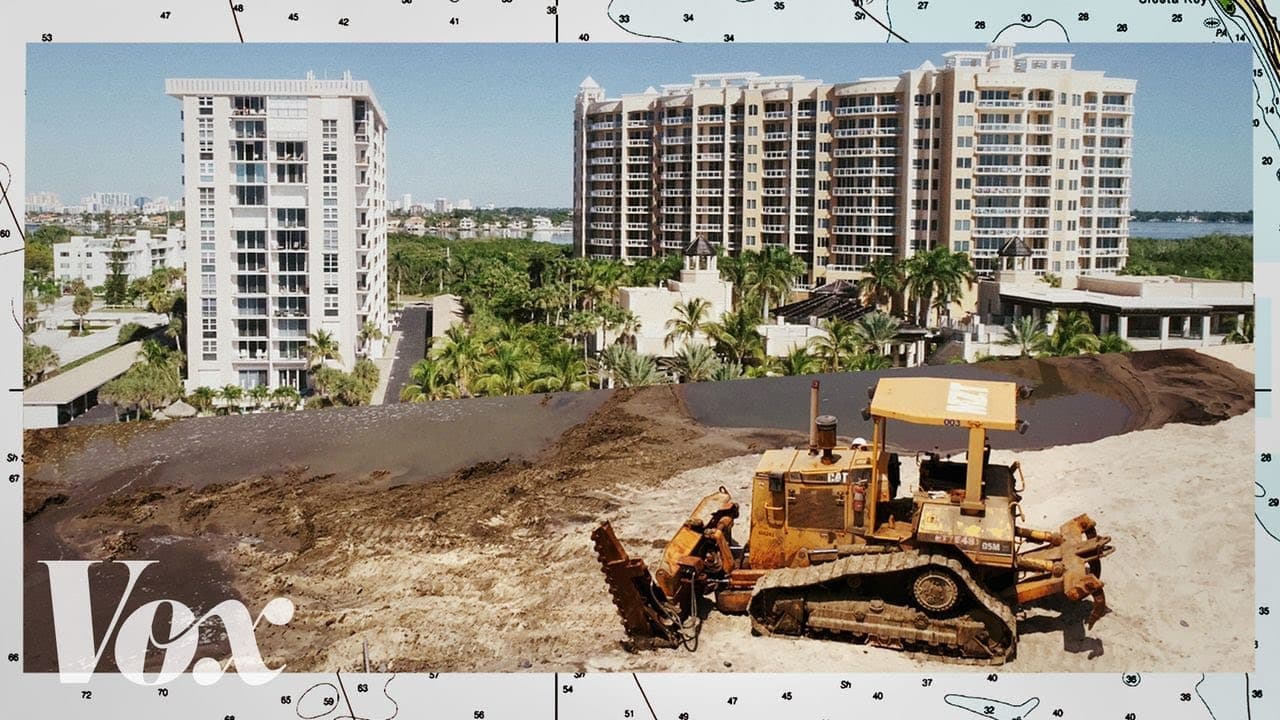
Beach nourishment provides temporary relief from coastal erosion by adding sand to shorelines. However, it creates a false sense of security, encouraging development in vulnerable areas, leading to increased risks from future erosion. While economically appealing, nourishment often prioritizes wealthier communities, leaving poorer areas at greater risk of ongoing erosion without adequate support.
Transcript
Imagine you're on a beach. It's flat, it's wide. With pristine sand. Looks nice, right? Unfortunately, many beaches don't look this way. They’re narrow, with steep cliffs, and waves breaking close to the property line. This is a beach that’s experiencing erosion. In America, about 80 to 90 percent of sandy coastlines have this problem. So the gover... Read More
Key Insights
- Beach erosion is a widespread issue affecting 80 to 90 percent of sandy coastlines in America, leading to significant economic and environmental concerns.
- Beach nourishment is a common strategy to combat erosion, involving the addition of sand to eroding beaches to protect coastal properties and economies.
- Despite its short-term effectiveness, beach nourishment is not a permanent solution, as waves and wind continue to erode the newly added sand.
- The federal government funds up to 65% of beach nourishment costs, with prioritization based on the potential economic value, often leaving poorer communities without support.
- Beach nourishment can create a false sense of security, encouraging excessive development in erosion-prone areas, which increases future risks.
- Research indicates that properties behind nourished beaches tend to be larger and more developed, exacerbating potential damage from future erosion.
- Economic analysis shows that beach nourishment can be financially beneficial, with significant returns on investment from coastal tourism.
- The long-term sustainability of beach nourishment is questionable, as it fails to address the natural processes driving erosion and can lead to increased vulnerability.
Install to Summarize YouTube Videos and Get Transcripts
Explore YouTube Video Summarizer or Get YouTube Transcript Extractor
Questions & Answers
Q: What is beach nourishment and why is it used?
Beach nourishment is a coastal management strategy that involves adding sand to eroding beaches to rebuild or expand the shoreline. It is used to protect coastal properties and economies by mitigating the impacts of erosion, which can threaten structures and tourism revenue. Despite its effectiveness in the short term, it is not a permanent solution.
Q: Why is erosion a significant concern for coastal areas?
Erosion is a major concern because it leads to the loss of sandy beaches, which are crucial for protecting coastal infrastructure and supporting tourism. As beaches erode, the risk of damage to homes, businesses, and local economies increases. This is especially problematic in areas where developments are static and cannot adapt to changing shorelines.
Q: How does the funding for beach nourishment projects work?
Funding for beach nourishment projects is primarily provided by the federal government, which covers up to 65% of the costs. State and local funds make up the remainder. The Army Corps of Engineers prioritizes projects based on economic value, often favoring wealthier areas with higher potential returns, leaving poorer communities at a disadvantage.
Q: What are the economic implications of beach nourishment?
Economically, beach nourishment can be beneficial, as it helps maintain tourism revenue by preserving attractive coastlines. For example, Florida has seen significant returns on investment, with $21.6 billion in coastal tourism revenue in one year compared to $200 million spent on nourishment over several years. However, this economic benefit can mask long-term risks.
Q: What are the potential downsides of beach nourishment?
The main downside of beach nourishment is that it provides a temporary fix, as natural erosion processes continue to wear away the added sand. This necessitates repeated interventions, which can be costly and unsustainable. Additionally, nourishment can create a false sense of security, leading to increased development in vulnerable areas, heightening future risks.
Q: How does beach nourishment impact coastal development?
Beach nourishment can drive coastal development by creating a false sense of security. Research shows that areas with nourished beaches tend to have larger and more developed properties. This excessive development increases the potential damage from future erosion, as it encourages construction in areas that remain vulnerable to coastal hazards.
Q: What are the long-term sustainability concerns related to beach nourishment?
Long-term sustainability concerns arise because beach nourishment does not address the underlying natural processes of erosion. As a result, the need for repeated interventions can lead to increased financial and environmental costs. This approach may ultimately exacerbate the vulnerability of coastal communities by encouraging development in high-risk areas.
Q: How does beach nourishment create a feedback loop?
Beach nourishment creates a feedback loop by encouraging development along nourished coastlines, despite the ongoing risk of erosion. This development increases the economic value of these areas, justifying further nourishment. However, it also increases the potential damage from future erosion, perpetuating the cycle of intervention and vulnerability.
Summary & Key Takeaways
-
Beach nourishment is a widely used method to combat coastal erosion by adding sand to eroding beaches, aiming to protect properties and boost local economies. However, this approach offers only temporary relief, as natural forces continue to erode the replenished sand, necessitating repeated interventions.
-
The federal government plays a significant role in funding beach nourishment projects, prioritizing areas with higher economic value. This often results in wealthier communities receiving more support, while poorer areas face ongoing erosion challenges without adequate assistance.
-
While beach nourishment can lead to economic gains through increased tourism revenue, it also creates a feedback loop of development. This false sense of security encourages further construction in vulnerable areas, heightening the risk of future damage from coastal hazards.
Read in Other Languages (beta)
Share This Summary 📚
Summarize YouTube Videos and Get Video Transcripts with 1-Click
Try YouTube Summary with ChatGPT & Claude or YouTube Transcript Generator
Explore More Summaries from Vox 📚




Summarize YouTube Videos and Get Video Transcripts with 1-Click
Try YouTube Summary with ChatGPT & Claude or YouTube Transcript Generator