The Lia Radiological Accident - Nuclear Bonfire
TL;DR
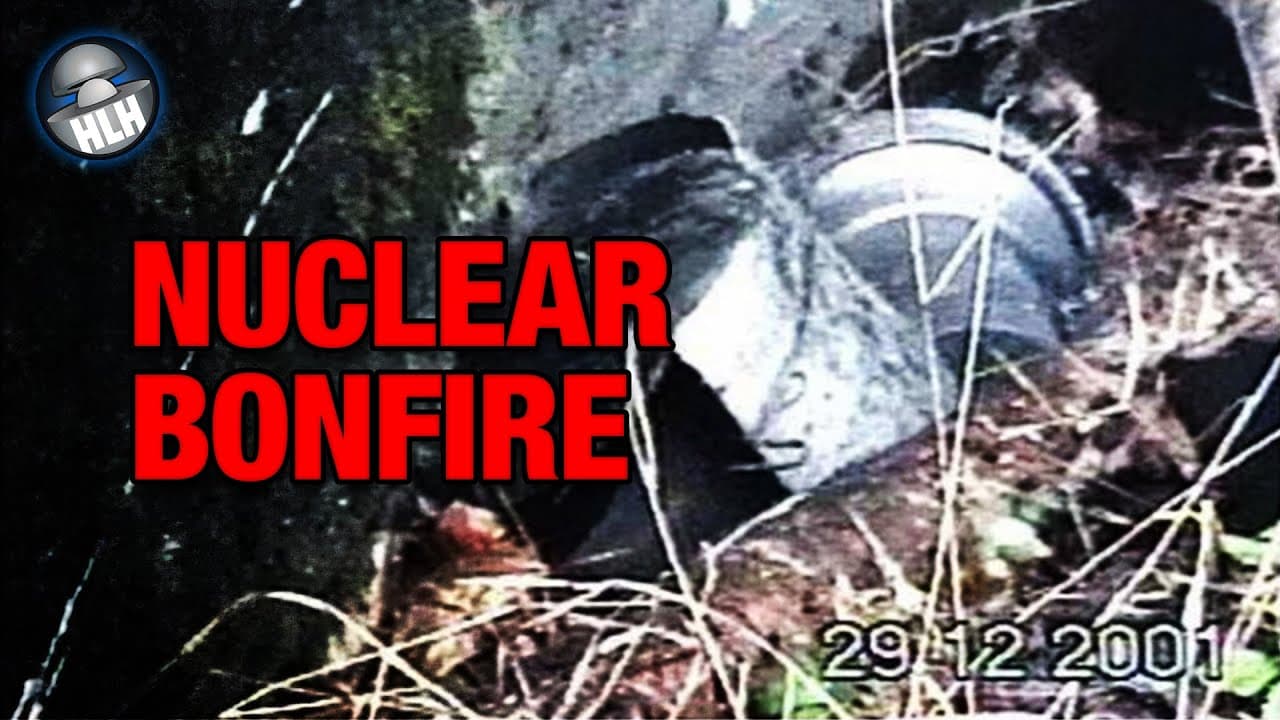
Three men in Georgia stumble upon abandoned radioactive cylinders and use them as heaters, resulting in severe radiation sickness and hospitalizations.
Transcript
December 2nd 2001 was a cold snowy day in Leah a village in the European country of Georgia 50 kilometers to the east among the trees along a nearly impassable Mountain Road three men were out searching for firewood it was getting dark when they happened across a bizarre site two small cylinders that despite the snowfall were perfectly uncovered in... Read More
Key Insights
- 😲 The abandoned RTGs were part of the Soviet Union's plan to power remote relay stations in Georgia via hydroelectric dams.
- 🍃 Over 1,000 RTGs were left unaccounted for after the collapse of the Soviet Union in 1991.
- ✳️ Radioisotope thermoelectric generators are commonly used in spacecraft and remote areas, but their mishandling poses serious risks.
- ⌛ The IAEA's recovery mission demonstrated the importance of adhering to time, distance, and shielding principles for nuclear safety.
- 😣 The three men suffered from severe radiation sickness, with one experiencing organ failure and cardiac arrest after an extended treatment period.
- 🎮 Orphaned sources, like the abandoned RTGs, pose immediate radiological threats and require proper regulatory control.
- 🦺 The identification and collection of orphan sources are crucial for comprehensive nuclear safety programs.
Install to Summarize YouTube Videos and Get Transcripts
Explore YouTube Video Summarizer or Get YouTube Transcript Extractor
Questions & Answers
Q: How did the three men in Georgia come across the abandoned RTGs?
The men were searching for firewood in the snow-covered forests when they stumbled upon the uncovered RTGs, which were emitting heat and steam.
Q: What are radioisotope thermoelectric generators (RTGs)?
RTGs are devices that use radioactive sources, such as plutonium, to generate electricity through radioactive decay alone. They are often used in remote or extreme environments.
Q: What were the symptoms experienced by the three men after using the RTGs as heaters?
The men experienced vomiting, stomach issues, dizziness, headaches, and fatigue. These symptoms persisted for days.
Q: How did the IAEA assist in the recovery of the abandoned RTGs?
The IAEA visited the site, provided medical treatment to the men, and organized a recovery mission. The mission involved building a lead transport container, manufacturing specialized tools, and training individuals in the safe recovery of the radioactive sources.
Summary & Key Takeaways
-
In 2001, three men in Georgia found abandoned radioisotope thermoelectric generators (RTGs) and used them for warmth, leading to severe radiation sickness.
-
The men experienced symptoms such as vomiting, stomach issues, dizziness, and headaches.
-
The International Atomic Energy Agency (IAEA) helped recover the abandoned RTGs and provided medical treatment to the men.
Read in Other Languages (beta)
Share This Summary 📚
Summarize YouTube Videos and Get Video Transcripts with 1-Click
Try YouTube Summary with ChatGPT & Claude or YouTube Transcript Generator
Explore More Summaries from Kyle Hill 📚


![🔴 Viral "Hanger Reflex" Explained! | [OFFICE HOURS] Podcast 090 thumbnail](/_next/image?url=https%3A%2F%2Fi.ytimg.com%2Fvi%2F-GQPNu0erKc%2Fhqdefault.jpg&w=750&q=75)
![What Made MEGALODON So Huge? | [OFFICE HOURS] Podcast #025 thumbnail](/_next/image?url=https%3A%2F%2Fi.ytimg.com%2Fvi%2F2F_zCTfPt-I%2Fhqdefault.jpg&w=750&q=75)


Summarize YouTube Videos and Get Video Transcripts with 1-Click
Try YouTube Summary with ChatGPT & Claude or YouTube Transcript Generator