What Happened to Chico Mendes and the Amazon Rainforest?
TL;DR
Chico Mendes was murdered in 1988 for his activism to protect the Amazon from deforestation, which drew global attention to the environmental crisis. His death catalyzed the establishment of extractive reserves, although deforestation remains a pressing issue today due to changing government policies and economic pressures.
Transcript
...Mr. Mendes was shot dead inside his home in northwestern Brazil on Thursday... Deep in the Amazon, in December of 1988, the fate of the rainforest was changed by a murder. In the small town of Xapuri, Chico Mendes was shot and killed. "The victim was devoted to preserving Brazil’s irreplaceable rainforest. And he paid for that, apparently, with ... Read More
Key Insights
- Chico Mendes was a pivotal figure in raising global awareness about the exploitation and deforestation of the Amazon rainforest, ultimately leading to significant environmental changes.
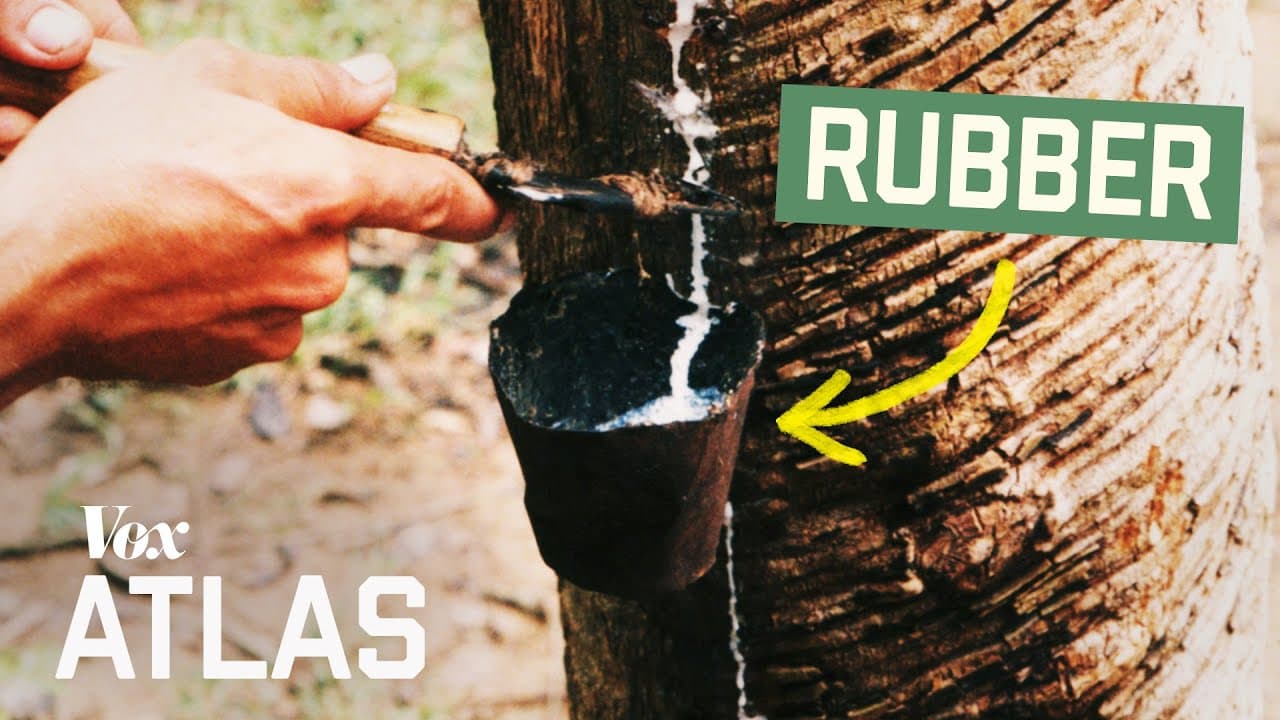
- The Amazon's rubber boom in the late 1800s led to exploitation of indigenous people, who were forced into labor by wealthy rubber barons, transforming the region into a major global resource.
- The smuggling of rubber tree seeds to Southeast Asia caused the collapse of the Amazon's rubber industry, but demand resurged during World War II, leading to harsh conditions for rubber tappers.
- Chico Mendes emerged as a leader for rubber tappers in the 1970s and 80s, organizing resistance against deforestation by ranchers who were backed by Brazil's military regime.
- The establishment of extraction reserves, like the Chico Mendes Reserve, provided legal protection against deforestation, allowing rubber tappers to maintain their traditional livelihoods.
- Chico Mendes' assassination by cattle ranchers in 1988 highlighted the deadly stakes of environmental activism, yet it spurred international support and policy changes to protect the Amazon.
- Despite the creation of numerous extractive reserves since Mendes' death, deforestation continues in the Amazon, exacerbated by current government policies favoring economic development.
- The legacy of Chico Mendes endures as new generations, including his family members, continue to advocate for the preservation of the Amazon and its communities.
Install to Summarize YouTube Videos and Get Transcripts
Explore YouTube Video Summarizer or Get YouTube Transcript Extractor
Questions & Answers
Q: Who was Chico Mendes and why is he significant?
Chico Mendes was a Brazilian rubber tapper and environmental activist who played a crucial role in raising global awareness about the exploitation and deforestation of the Amazon rainforest. His leadership and advocacy for sustainable practices led to the establishment of extractive reserves, protecting both the forest and the livelihoods of its traditional inhabitants.
Q: What led to the collapse of the Amazon's rubber industry?
The Amazon's rubber industry collapsed when an English colonist smuggled rubber tree seeds to Southeast Asia in the 1870s. This allowed for the establishment of cheaper rubber plantations outside of Brazil, which flooded the market and drove down prices, effectively ending the Amazon's rubber boom.
Q: How did Chico Mendes organize resistance against deforestation?
Chico Mendes organized resistance against deforestation by rallying rubber tappers to form 'empates' or non-violent barricades. These were used to block loggers and bulldozers from accessing rubber reserves, thereby preventing the destruction of the forest. His leadership helped unite the community in the fight against environmental degradation.
Q: What impact did Chico Mendes' assassination have on environmental policies?
Chico Mendes' assassination in 1988 had a profound impact on environmental policies, as it drew international attention to the dangers faced by environmental activists in the Amazon. This led to increased global support and the creation of protected extractive reserves, which provided legal safeguards for sustainable resource management and forest preservation.
Q: What challenges do extractive reserves face today in the Amazon?
Today, extractive reserves in the Amazon face significant challenges, including ongoing deforestation and encroachment by cattle ranchers. Despite legal protections, these areas are threatened by policies favoring economic development, which often undermine conservation efforts and put pressure on traditional communities to clear land for profit.
Q: How did the Brazilian government contribute to deforestation in the Amazon?
The Brazilian government, particularly during the military regime of the 1970s, contributed to deforestation by promoting economic development in the Amazon. This involved opening up the rainforest to ranchers and building infrastructure, such as roads, which facilitated large-scale deforestation and displacement of traditional communities.
Q: What role did international organizations play in the fight to protect the Amazon?
International organizations played a crucial role in the fight to protect the Amazon by withdrawing financial support for development projects that threatened the rainforest. Their involvement helped pressure the Brazilian government to adopt conservation measures, such as establishing extractive reserves, and raised global awareness about the importance of preserving the Amazon's biodiversity.
Q: What legacy did Chico Mendes leave behind for future generations?
Chico Mendes left a lasting legacy of environmental activism and community organization. His efforts not only led to the creation of extractive reserves but also inspired future generations to continue advocating for the protection of the Amazon. His story serves as a powerful reminder of the impact individuals can have in the fight against environmental destruction.
Summary & Key Takeaways
-
Chico Mendes, a prominent environmental activist, was murdered in 1988 for his efforts to protect the Amazon rainforest from deforestation and exploitation by cattle ranchers. His death brought international attention to the environmental crisis, leading to the establishment of protected extraction reserves.
-
The Amazon's rubber industry history is marked by exploitation and economic shifts, with the rubber boom collapsing after seeds were smuggled to Southeast Asia. However, World War II revived demand, forcing harsh labor conditions on rubber tappers, who later found freedom to sustainably harvest resources.
-
Chico Mendes' leadership in the 1970s and 80s united rubber tappers against deforestation, using non-violent resistance tactics. His assassination underscored the dangers faced by environmental activists, yet his legacy persists through ongoing efforts to protect the Amazon and its inhabitants.
Read in Other Languages (beta)
Share This Summary 📚
Summarize YouTube Videos and Get Video Transcripts with 1-Click
Try YouTube Summary with ChatGPT & Claude or YouTube Transcript Generator
Explore More Summaries from Vox 📚


Summarize YouTube Videos and Get Video Transcripts with 1-Click
Try YouTube Summary with ChatGPT & Claude or YouTube Transcript Generator