Project Life Cycle
TL;DR
Students will learn about the four phases of the project lifecycle: initiation, planning, execution, and closure.
Transcript
students in today's class will be studying about project lifecycle with respect to project management there are four parts in the project lifecycle or four phases the first one is the initiation phase second one is the planning phase third one is execution phase and both one is a termination fees initiation phase is where it marks the beginning of ... Read More
Key Insights
- 📽️ The project lifecycle consists of four phases: initiation, planning, execution, and closure.
- 🥅 Each phase has specific goals and tasks that contribute to the overall success of the project.
- 📽️ The project manager plays a crucial role in overseeing the entire lifecycle and ensuring project objectives are met.
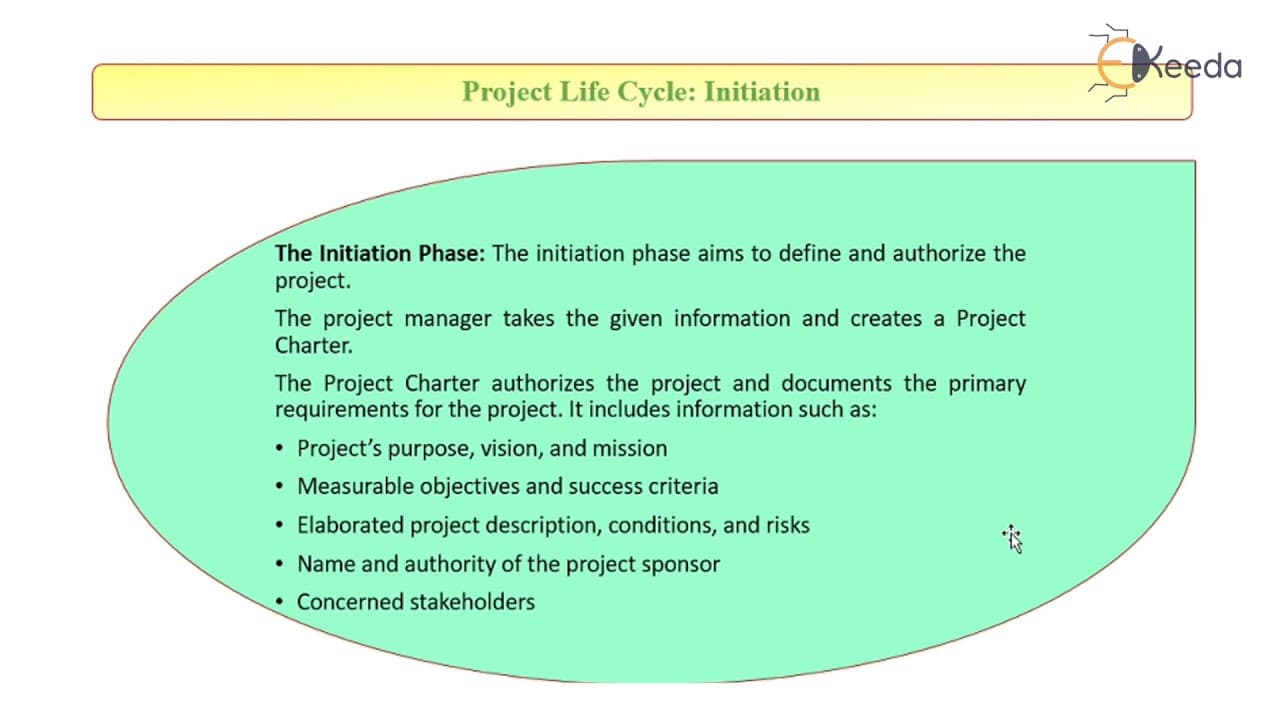
- 📽️ The initiation phase involves creating a project charter to define the project's purpose and requirements.
- 📽️ The planning phase focuses on creating a detailed strategy and defining project objectives.
- 📽️ The execution phase involves implementing the decisions made during the planning phase and monitoring project progress.
Install to Summarize YouTube Videos and Get Transcripts
Explore YouTube Video Summarizer or Get YouTube Transcript Extractor
Questions & Answers
Q: What are the four phases of the project lifecycle?
The four phases are initiation, planning, execution, and closure. Each phase has its own set of goals and tasks.
Q: What is the purpose of the project charter?
The project charter is created during the initiation phase and it describes the need and primary requirements of the project, including its purpose, objectives, and stakeholders.
Q: What is the role of the project manager during the execution phase?
In the execution phase, the project manager supervises the implementation of the project activities, ensures the project is on track, and prevents errors or issues from occurring.
Q: What happens during the closure phase of the project lifecycle?
The closure phase marks the official end of the project. It includes project analysis, submission of the project report, and the handover of the project to the customer or owner.
Summary & Key Takeaways
-
The project lifecycle consists of four phases: initiation, planning, execution, and closure.
-
Each phase has its own specific goals and tasks, such as creating a project charter, defining project objectives, implementing project activities, and submitting a project report.
-
The project manager is responsible for overseeing the entire lifecycle and ensuring successful project completion.
Read in Other Languages (beta)
Share This Summary 📚
Summarize YouTube Videos and Get Video Transcripts with 1-Click
Try YouTube Summary with ChatGPT & Claude or YouTube Transcript Generator
Explore More Summaries from Ekeeda 📚






Summarize YouTube Videos and Get Video Transcripts with 1-Click
Try YouTube Summary with ChatGPT & Claude or YouTube Transcript Generator