Discussing Global Health Security and Diplomacy
TL;DR
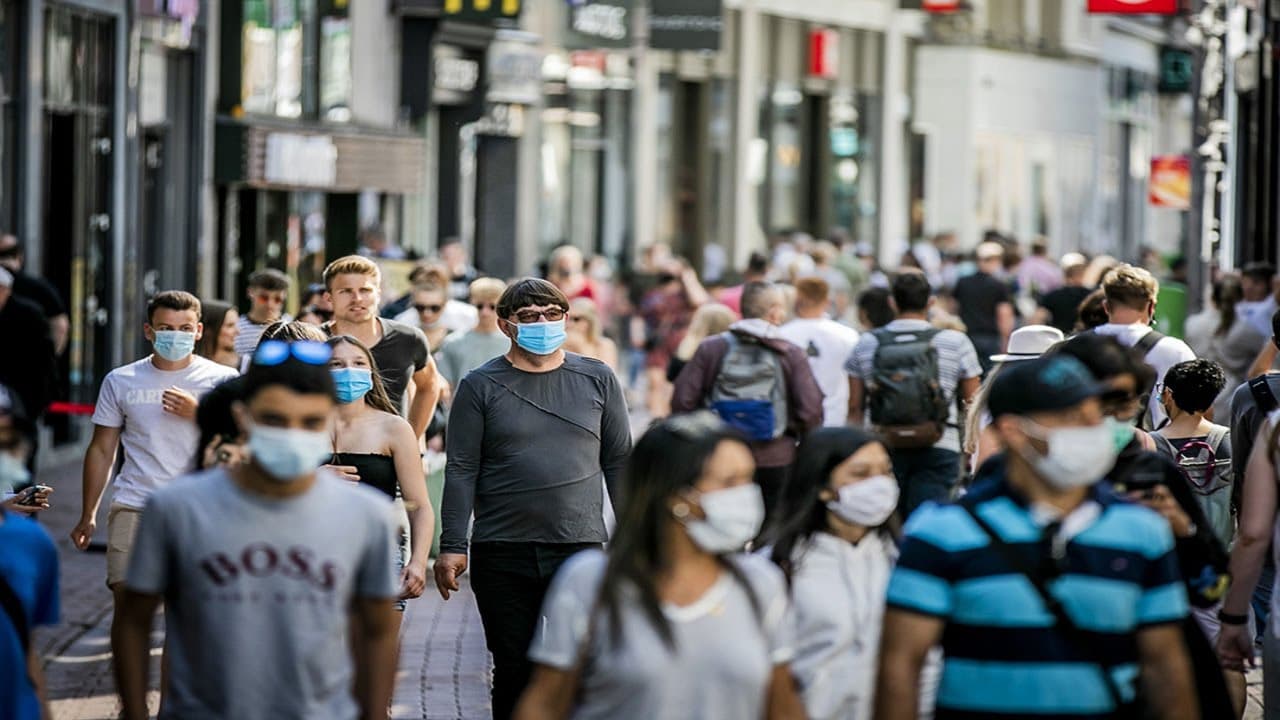
Experts discuss challenges and strategies in global health diplomacy.
Transcript
FASKIANOS: Welcome to the final session of the Winter/Spring 2024 CFR Academic Series. I am Irina Faskianos, vice president of the National Program and Outreach here at CFR. Thank you for being with us. Today’s discussion is on the record, and the video and transcript will be available on our website, CFR.org/Academic, if you would like to s... Read More
Key Insights
- The COVID-19 pandemic highlighted significant disparities in vaccine access, especially in Africa, underscoring the need for equitable distribution in future health crises.
- Geopolitical tensions, such as those between the U.S. and China, complicate international cooperation on health security, affecting sample sharing and disease surveillance.
- Economic factors, including the role of multilateral development banks, are crucial in building health infrastructure but require more coordinated efforts and substantial funding.
- The politicization of health safety, exacerbated by misinformation, poses challenges for public trust and effective policy implementation, necessitating efforts to rebuild confidence in science.
- Climate change is increasingly recognized as a major contributor to health threats, affecting pathogen transmission and necessitating integrated approaches to health and climate resilience.
- There is a significant funding gap in global health security, with an estimated $380 billion needed to build and sustain necessary capacities worldwide.
- The threat of deliberate biological events remains a concern, with ongoing international efforts to address potential bioweapons use and enhance response mechanisms.
- Public health officials face increasing challenges from political backlash and reduced authority, impacting their ability to respond effectively to health emergencies.
Install to Summarize YouTube Videos and Get Transcripts
Explore YouTube Video Summarizer or Get YouTube Transcript Extractor
Questions & Answers
Q: What lessons have been learned from past pandemics regarding global health governance?
Past pandemics, such as COVID-19 and Ebola, have highlighted significant gaps in global health governance, particularly in equitable vaccine distribution and international cooperation. The session underscores the need for improved mechanisms to ensure timely access to medical countermeasures and the importance of addressing geopolitical tensions that hinder collaborative efforts.
Q: How do geopolitical tensions affect global health security?
Geopolitical tensions, especially between major powers like the U.S. and China, complicate global health security by hindering cooperation on critical issues such as sample sharing and disease surveillance. These tensions can lead to a lack of trust and collaboration, impeding efforts to effectively address global health threats and improve governance structures.
Q: What role do multilateral development banks play in health infrastructure development?
Multilateral development banks have a mixed track record in supporting health infrastructure development. While they provide essential funding and support, there is a need for more coordinated efforts and increased investment to address the substantial funding gap in global health security. The session highlights the potential for these banks to play a greater role in future health infrastructure development.
Q: How does climate change impact global health security?
Climate change is increasingly recognized as a significant factor affecting global health security by altering pathogen transmission dynamics and exacerbating health threats. The session emphasizes the need for integrated approaches that address both health and climate resilience, recognizing the interconnectedness of these challenges in shaping future health threats.
Q: What challenges arise from the politicization of health safety?
The politicization of health safety, particularly evident during the COVID-19 pandemic, creates challenges in maintaining public trust and implementing effective health policies. Misinformation and political backlash against public health officials undermine efforts to manage health crises, highlighting the need for strategies to rebuild trust in science and governance.
Q: What are the funding challenges for global health security?
Global health security faces a significant funding challenge, with an estimated $380 billion needed to build and sustain necessary capacities worldwide. The session discusses the need for innovative funding mechanisms and increased investment from both national governments and international organizations to address this gap and enhance global preparedness.
Q: What is the threat of deliberate biological events and how is it addressed?
Deliberate biological events, such as bioterrorism, pose a real threat to global health security. International efforts focus on assessing this threat and developing response mechanisms, including the Biological Weapons Convention and the UN Secretary-General's Mechanism. The session highlights the importance of preparedness and response planning to address potential deliberate biological threats.
Q: How can public trust in health governance be rebuilt?
Rebuilding public trust in health governance requires improving transparency, accountability, and communication. The session emphasizes the importance of public literacy, countering misinformation, and fostering dialogue between different societal groups to build consensus and confidence in scientific and governmental institutions. These efforts are crucial in ensuring effective responses to future health crises.
Summary & Key Takeaways
-
The session discusses the complex landscape of global health security and diplomacy, focusing on the challenges posed by geopolitical tensions, economic constraints, and the politicization of health issues. Experts highlight the need for equitable vaccine distribution and improved international cooperation.
-
Geopolitical dynamics, particularly U.S.-China relations, are identified as significant barriers to effective global health governance. The session emphasizes the importance of diplomacy and multilateral frameworks in overcoming these challenges and fostering collaboration.
-
The conversation addresses the critical role of economic and infrastructural support from multilateral development banks in enhancing global health security. The need for substantial investment and innovative funding mechanisms to address emerging health threats is underscored.
Read in Other Languages (beta)
Share This Summary 📚
Summarize YouTube Videos and Get Video Transcripts with 1-Click
Try YouTube Summary with ChatGPT & Claude or YouTube Transcript Generator
Explore More Summaries from Council on Foreign Relations 📚

Summarize YouTube Videos and Get Video Transcripts with 1-Click
Try YouTube Summary with ChatGPT & Claude or YouTube Transcript Generator